
What Are the Traits and Care Requirements of a Tibetan Mastiff?
The Tibetan Mastiff embodies centuries of heritage, strength, and dignity. Originally bred to guard livestock and property in the harsh Himalayan region, this imposing breed has evolved into a noble companion and an effective guardian. For those seeking a protective family dog with deep roots and a unique temperament, the Tibetan Mastiff offers a rare blend of loyalty and independence.
This breed is best suited to experienced dog owners who value the steadfast presence and commanding appearance of a true working dog. Known for its devotion to family and its keen sense of territory, the Tibetan Mastiff remains a reliable protector and can settle into both rural and suburban homes, provided there is ample space and time dedicated to its care.
- Overview of the Tibetan Mastiff
- Key Characteristics
- Appearance of the Tibetan Mastiff
- Temperament & Behavior
- Care & Living Needs
- Health & Common Issues
- Official Breed Standard Summary
- Frequently Asked Questions
Group: Working
Size: Large
Exercise needs: Up to 1 hour per day
Coat length: Medium
Grooming: More than once a week
Shedding: Yes
Lifespan: Over 10 years
Ideal home type: Large house
Town or country: Either
Garden needs: Large garden
Overview of the Tibetan Mastiff
The Tibetan Mastiff stands as a true giant among breeds hailing from the Himalayas. Deeply embedded in the culture of Tibet, this ancient breed was once the guardian of livestock and homes, serving alongside villagers and nomads to deter wolves and intruders. Imposing in stature, Tibetan Mastiffs were often tethered at entrances as living security, their size and deep bark alone proving a major deterrent. Explorers to the region were awed by the breed’s mass, strength, and thick protective coat, and these dogs even made their way to foreign courts and zoos in the 19th century, such as when King George IV received one for the London Zoo.
The breed’s numbers dwindled dramatically following political upheaval in Tibet during the mid-20th century, but a small, isolated population survived in remote areas. The foundation of today’s Tibetan Mastiff descends from these survivors, carrying forward both their legendary physical qualities and ancient work ethic. With their imposing presence and keen instinct for guarding, Tibetan Mastiffs demand respect and suit owners who can provide structure, leadership, and plenty of space.
This breed is not for the casual dog owner, but for those seeking a deeply loyal and independently minded companion capable of both family life and guardian duties. Whether in the city suburbs or the countryside, Tibetan Mastiffs thrive when their needs and instincts are understood and accommodated.
Key Characteristics
- Energy level – Moderate; content with daily walks and moderate activity rather than high-intensity exercise.
- Trainability – Intelligent but independently minded, requiring a patient and consistent approach to training.
- Intelligence – Highly intelligent, with strong problem-solving abilities and a penchant for thinking for themselves.
- Prey drive – Generally low, as their primary instinct is protection and guarding, not hunting.
- Social needs – Wary of strangers yet deeply bonded to family; early and ongoing socialization is essential.
- Compatibility with families and children – Loyal and protective around children in their own household when properly socialized.
- Compatibility with other dogs – Can be reserved or dominant, especially toward unfamiliar dogs; early social training is crucial.
- Guarding or watchdog tendencies – Exceptionally strong; one of the world’s premier natural guard dogs.
- Adaptability to city or country life – Adaptable to both, provided there is ample space and secure fencing; not suited to small apartments.
- Best suited owner type – Experienced dog owners who understand independent, strong-willed breeds.
- Typical daily routine – Quiet for much of the day, with bursts of activity during walks or play sessions, and attentive watchers of the home by night.
Appearance of the Tibetan Mastiff
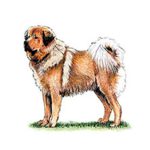
The Tibetan Mastiff is an impressive, powerfully built dog that stands out for its majestic appearance and size. Males typically reach at least 26 inches at the shoulder, with females just slightly shorter, ensuring a presence that commands respect. Their body is slightly longer than tall, conveying strength and substance without appearing heavy or cumbersome. Muscled legs, a broad chest, and strong loins all contribute to the breed’s sturdy frame and agility.
A key feature is the noble, expressive head, enhanced by a pronounced mane framing the face—especially striking in male dogs. The skull is broad with a strong, square muzzle and a thoughtful, intelligent gaze from dark brown, oval-shaped eyes. The medium-sized, pendent ears hang close to the head, often carried forward when alert, adding to the attentive expression. The tail is another breed hallmark: well feathered, medium to long, and curled loosely over the back to one side, always carried high when the dog is engaged or on patrol.
The coat is medium in length but very dense and double-layered, offering exceptional protection in cold climates. The outer coat is thick, fine, and straight, never silky or wavy, while a heavy, woolly undercoat develops in colder months and sheds out as the weather warms. Mane-like ruffs around the neck and shoulders are prominent, along with well-feathered hindquarters and tail. Traditional colors include rich black (sometimes with tan markings), slate grey with or without tan, gold, and some combinations. Rich tan markings may appear above the eyes, on the muzzle, chest, legs, and under the tail. A white star on the chest or minimal white on the feet is allowed, but brindle, parti-color, and non-traditional shades are not desirable.
Temperament & Behavior
The Tibetan Mastiff is renowned for its calm, patient, and steadfast disposition. Its independently minded and dignified nature means it is rarely clingy or overly demonstrative, instead displaying affection and loyalty quietly but steadfastly. This dog is naturally aloof and cautious with strangers—a quality deeply rooted in its guarding heritage, making it a reliable watchdog that takes its role seriously.
Within the home, the Tibetan Mastiff bonds strongly with family members, providing gentle companionship while maintaining a keen watch over the household. It is slow to mature, both physically and emotionally, and requires time to develop full social confidence. With children, the breed can be protective and trustworthy, but supervision and socialization from an early age help ensure harmonious interactions. Their relationship with other dogs varies; well-socialized individuals can coexist peacefully, but their guarding instincts sometimes result in reserved or dominant behavior, particularly toward unfamiliar dogs.
The breed’s working group lineage shines through in their strong sense of duty. Tibetan Mastiffs excel in roles that require vigilance, loyalty, and courage. While not typically a dog for group obedience or trick training, they have a compelling intelligence and ability to learn when motivated. Owners should be prepared for a dog that thinks and decides independently, responding best to fair leadership, consistency, and respect. Those who can provide structure while honoring the breed’s ancient instincts are rewarded with a companion as devoted as it is discerning.
Care & Living Needs for the Tibetan Mastiff
The Tibetan Mastiff balances moderate exercise needs with a strong desire for outdoor space. A daily walk of up to an hour generally suffices to keep them content and healthy. They thrive in large homes with spacious, secure gardens where they can roam and patrol as their instincts dictate. While adaptable to both town and country environments, they are not suited to apartments or homes without adequate space or sturdy fencing.
Coat care is a key consideration. This breed sports a medium-length, double coat that requires thorough brushing more than once a week to manage shedding and prevent mats, especially during seasonal coat changes. The breed is known to shed, particularly during the spring, when the heavy undercoat is lost. Occasional baths, nail trimming, and routine ear cleaning complete their grooming needs, while the exceptional mane and feathering warrant extra attention in muddy conditions or after outdoor adventures.
Tibetan Mastiffs benefit greatly from mental engagement. Interactive toys, basic obedience, and a clear, consistent routine help channel their intelligence and independent streak constructively. Early socialization is vital to foster appropriate manners with visitors and other pets. Training must be approached with patience and respect, as a heavy-handed or inconsistent style may only reinforce stubbornness.
This breed is not ideal for first-time owners or those whose schedules leave little time for training, socialization, or interaction. Families considering a Tibetan Mastiff should be prepared to invest in their upbringing and provide a calm, structured environment where the dog feels purpose and security.
Health & Common Issues
The Tibetan Mastiff generally enjoys good longevity as a large breed, often living beyond ten years when well cared for. While no specific health tendencies are detailed here, maintaining regular veterinary checkups, a balanced diet, and steady exercise help keep these dogs in optimal condition. Monitoring for signs of joint stiffness, keeping their weight in check, and maintaining dental hygiene contributes to a happy, active life.
Caring for ears, eyes, and teeth through routine home checks and professional grooming visits supports long-term wellness. Because of their size and coat, it’s important to keep the undercoat free of mats and watch for any skin irritation. Owners should also ensure the dog is neither over- nor under-exercised, as both can impact joint and muscle health during early development and adulthood.
As with any breed, maintaining open communication with your veterinarian and staying attentive to any changes in behavior or appearance is crucial for preventive care and early intervention if needed.
Official Breed Standard Summary
The official breed standard describes the Tibetan Mastiff as a large, powerfully built dog, with notable proportions that favor strength and agility. The head is noble and impressive, complemented by a mane-like ruff—most pronounced in males—and finished with a well-feathered, curled tail. The defining coat is dense and straight with a thick undercoat in cold weather, emphasizing protection and natural strength, while the impressive mane and abundant feathering are breed trademarks.
Approved colors include rich black (with or without tan), slate grey (with or without tan), and rich golden, with tan or gold highlights allowed above the eyes, on the muzzle, legs, chest, and beneath the tail. Minimal white markings are tolerated, but unconventional colors or patterns are not desirable. The minimum preferred height is 26 inches for males and 24 inches for females, but type and structure should never be sacrificed solely for size.
Physical soundness is central to the breed standard, and both breeders and judges are encouraged to avoid any exaggeration or feature that could impact the health, welfare, or temperament of the breed. The ideal Tibetan Mastiff should move with confidence, display a calm and attentive temperament, and be free from any feature detrimental to its working abilities. Full dentition and normal testicle descent in males are specifically noted as desirable.
The breed standard also reminds prospective owners that it is a guideline to the ideal and that individual dogs may be larger or smaller than the measurements given. Judgments should always weigh the impact of any deviation against the dog’s overall health and breed function.
Frequently Asked Questions about the Tibetan Mastiff
Is the Tibetan Mastiff good for first-time dog owners?
The Tibetan Mastiff is best suited to experienced dog owners. Its independent nature and guarding instincts can be challenging for those unfamiliar with strong-willed breeds.
How much exercise does a Tibetan Mastiff need daily?
This breed requires up to an hour of daily exercise, such as walks or supervised play in a secure garden. Over-exercising young dogs should be avoided to protect developing joints.
Is the Tibetan Mastiff good with children?
Properly socialized Tibetan Mastiffs are usually devoted and protective with children in their own household. Supervision and mutual respect between dog and child are essential for the best relationship.
Can the Tibetan Mastiff live in an apartment?
This breed is not suited for apartment living due to its size, guarding tendencies, and need for space. A large home with a secure garden is recommended.
How much grooming does a Tibetan Mastiff need?
The Tibetan Mastiff has a dense, medium-length coat that requires brushing more than once a week, especially during shedding seasons. Routine baths and grooming will keep the coat and skin healthy.
Are there common health concerns in this breed?
No specific health issues are highlighted here, but as with any large, powerful breed, owners should support joint health, maintain healthy weight, and ensure regular veterinary care.


