
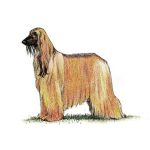
What Are the Traits and Care Tips for Afghan Hounds?
The Afghan Hound is a striking and elegant sighthound known for its distinctive flowing coat and regal presence. This breed captures attention with both its graceful movement and dignified expression, making it an unforgettable companion for those who appreciate beauty and independent spirit in their canine friends. Originally bred for hunting, the Afghan Hound requires space to run and a dedicated owner willing to meet its unique exercise and grooming needs.
Best suited to homes that can accommodate its high energy and desire for both comfort and adventure, the Afghan Hound thrives in environments where it can be both a family member and an active participant in daily life. While this breed forms a loyal bond with its people, it thrives with experienced owners ready to provide consistent routines and embrace its slightly aloof, aristocratic personality.
- Overview of the Afghan Hound
- Key Characteristics
- Appearance of the Afghan Hound
- Temperament & Behavior
- Care & Living Needs
- Health & Common Issues
- Official Breed Standard Summary
- Frequently Asked Questions
Group: Hound
Size: Large
Exercise needs: More than 2 hours per day
Coat length: Long
Grooming: Every day
Shedding: Yes
Lifespan: Over 10 years
Ideal home type: Large house
Town or country: Country
Garden needs: Large garden
Overview of the Afghan Hound
The Afghan Hound’s story begins in the dramatic landscapes of Afghanistan, where its unique combination of speed, agility, and stamina served it well in the rugged terrain. Used historically for hunting deer, gazelle, hare, and fox, the Afghan Hound was highly valued for its ability to pursue game over great distances and challenging environments. Its roots may trace back to the Saluki, brought from neighboring Persia, with the Afghan’s famously long coat developing as insulation against the harsh mountain climate.
Owners of Afghan Hounds are often captivated by the breed’s noble aura and fluid, floating gait. Its long, fine coat and refined features have made it a favorite among those seeking a dog that is both a living work of art and a formidable athlete. Because of its substantial exercise requirements and independent streak, this breed is best suited for owners with ample space to offer and a readiness to engage in daily activity, preferably in a rural or suburban setting where the dog can safely unleash its natural instincts.
An Afghan Hound excels with owners who appreciate a companion that is both reserved and affectionate, respecting the breed’s dignified temperament while providing clear boundaries and patient training.
Key Characteristics
- Energy level – The Afghan Hound has a very high energy level and thrives on vigorous daily exercise.
- Trainability – While intelligent, this breed is independent and sometimes stubborn, requiring patient, consistent training.
- Intelligence – Afghan Hounds are clever and can problem-solve, but their intelligence is sometimes directed at pursuing their own interests.
- Prey drive – With origins as a hunting sighthound, their prey drive is strong and they may chase small animals.
- Social needs – They can be somewhat aloof with strangers but generally bond closely with family.
- Compatibility with families and children – Often gentle in the home, they can get along with children when socialized from a young age.
- Compatibility with other dogs – Tends to do well with other dogs, especially if raised together, but prey drive may make small pets unsafe.
- Guarding or watchdog tendencies – Not typically a watchdog; may be reserved but is not aggressive or territorial.
- Adaptability to city or country life – Best suited to country or suburban environments with space to run; less ideal for city apartments.
- Best suited owner type – Ideal for active, experienced owners with time and space for daily grooming and vigorous exercise.
- Typical daily routine – Needs plenty of time outdoors for running, regular grooming sessions, and calm time indoors with family.
Appearance of the Afghan Hound
The Afghan Hound is instantly recognizable for its striking silhouette, combining strength and elegance in equal measure. The breed carries itself with distinct dignity, head held high on a long, strong neck. A well-proportioned body, with level back and prominent hipbones set wide apart, provides a balanced framework for both power and remarkable speed. Their deep chest and moderately long back allow for the breed’s characteristic efficient, springy movement.
The head features a long and slightly narrow skull, prominent occiput, and a long, refined muzzle with a “scissor” bite—an indication of its hunting heritage. Dark or golden, triangular eyes with an upward slant hint at an exotic, Eastern expression. Their ears are set low and back, draped close to the head and adorned with long, silky hair, adding to the breed’s graceful look.
The Afghan Hound’s hallmark is its luxurious, silky coat that drapes the ribs, legs, and flanks in fine, flowing hair. This long hair, which forms a distinctive “topknot” on the head, was historically developed to protect the breed against harsh climates. While the saddle region features shorter, flatter hair, the rest of the body is covered with hair that grows long and straight. The tail is set low, ending in a prominent ring and carried high when the dog is moving.
Afghan Hounds come in a wide variety of coat colors and patterns, including black, brindle, cream, gold, red, blue, and various masked or shaded combinations. White markings on the head and collar are undesirable according to the breed standard. Males typically stand between 27–29 inches at the shoulder, while females are slightly smaller at 25–27 inches.
Temperament & Behavior
The Afghan Hound is renowned for its dignified and somewhat aloof manner, blending a proud independence with moments of genuine affection. The breed’s personality reflects its origins as a solo hunter and dignified companion, and it is often described as both keen and fierce when pursuing quarry. At home, the Afghan Hound can switch from stately elegance to playful mischief, though always with a slightly reserved approach to new people or situations.
Although deeply bonded to its family, this breed rarely seeks attention obsessively; instead, it prefers to choose its moments for interaction. Afghan Hounds tend to be calm and gentle with family members, and when properly socialized, can live harmoniously alongside other dogs. Their natural instincts might make them prone to chasing smaller household pets, so supervision is important.
Belonging to the group of hounds developed for hunting by sight, the Afghan Hound shares traits with breeds like the Whippet and Greyhound. These dogs are trustworthy and dignified companions who value routine but do not often serve as natural watchdogs. Their tendency toward reserve does not imply shyness or timidity, but a consistently composed temperament that signals confidence.
Owners may find the Afghan Hound’s independent streak both charming and challenging. While eager to please in their own way, they can sometimes appear stubborn or selectively deaf, particularly when distracted by interesting sights or scents outdoors. Gentle, positive reinforcement works best, as harsh methods can lead to withdrawal.
Care & Living Needs for the Afghan Hound
The Afghan Hound needs more than two hours of active exercise each day to maintain both its physical and mental well-being. Ideal living arrangements include a large house and a spacious, secure garden, as this breed relishes the opportunity to run at speed. The Afghan Hound suits country or suburban environments far better than city apartments, which simply cannot accommodate its exercise requirements or need for exploration.
One of the most demanding aspects of Afghan Hound ownership is grooming. The breed’s long, silky coat must be brushed every day to prevent tangling and matting. Regular bathing and attention to the ears, paws, and tail are essential. Because the breed sheds and has a long coat, frequent cleaning of both the dog and its environment is a must.
Mental stimulation is just as important as physical activity. Training sessions should incorporate games and variety to keep the breed engaged, as the Afghan Hound responds best to gentle and consistent methods. They enjoy lure coursing, free running, and safe exploration of new environments; activities that echo their natural instincts.
This breed is not ideal for those with little time for exercise, grooming, or patient training. Urban dwellers without access to secure green spaces may struggle to meet its needs. Families seeking a highly obedient or always-eager-to-please companion might find the Afghan Hound’s independent personality a poor fit.
Health & Common Issues
The Afghan Hound is generally a robust and athletic breed, often enjoying a lifespan of over 10 years. There is no indication of specific health conditions commonly associated with the breed based on the information provided. This speaks well for its overall soundness and suitability as a companion for those committed to regular care.
Like all large, athletic dogs, Afghan Hounds benefit from regular veterinary check-ups to monitor their weight, teeth, and general condition. Owners should pay extra attention to ear health and coat maintenance, as the long fur and hanging ears can be prone to dirt build-up if not carefully managed. Balanced exercise routines that combine free running with structured walks help protect joints and maintain muscle tone.
Preventive care, proper nutrition, and routine grooming all contribute to supporting the Afghan Hound’s long-term well-being. Early training and socialization also support their mental health, helping them remain adaptable and content throughout their lives.
Official Breed Standard Summary
The official breed standard for the Afghan Hound establishes a clear vision of the ideal dog: one possessing both strength and dignity, with a unique blend of speed, power, and elegance. Soundness in structure and movement is crucial, ensuring each Afghan Hound is fit for function and able to perform the roles for which the breed was originally developed.
General appearance is defined by balance, a noble head carriage, and a refined outline. The long, silky coat, especially the distinctive “topknot,” serves both aesthetic and practical purposes. While all colors are allowed except merle, excessive white markings on the head and collar are considered undesirable. The ideal height for males is 27–29 inches; females stand at 25–27 inches, though reasonable variation is accepted.
Movement should be smooth and springy, reflecting the breed’s athletic prowess. The standard emphasizes natural, unaltered coat development, discouraging evidence of clipping or artificial sculpting. Any departure from these guidelines is treated as a fault, with seriousness proportionate to its impact on the dog’s health and function.
A final note for prospective owners: the breed standard describes the ideal, and individual dogs may vary in size or characteristics. Responsible breeding, informed selection, and care for the welfare of each Afghan Hound remain central to maintaining the essence of this extraordinary breed.
Frequently Asked Questions about the Afghan Hound
Is the Afghan Hound good for first-time dog owners?
The Afghan Hound can be challenging for first-time owners due to its independent nature and significant grooming and exercise needs. It is best suited to experienced owners who are familiar with sighthound behavior and routines.
How much exercise does an Afghan Hound need daily?
This breed requires more than two hours of vigorous exercise every day. Long walks, ample running time in a secure area, and active play are important to keep an Afghan Hound healthy and happy.
Is the Afghan Hound good with children?
Afghan Hounds can be gentle and get along well with children, especially if socialized early. However, their aloof nature means they may prefer quiet interaction and are best matched with respectful, calm kids.
Can the Afghan Hound live in an apartment?
The Afghan Hound is not well suited to apartment living due to its large size and intense need for daily exercise. A large house with a secure garden in a rural or suburban setting is much more appropriate.
How much grooming does an Afghan Hound need?
Daily grooming is essential for the Afghan Hound. Their long, silky coat is prone to tangling and matting, requiring regular brushing, occasional bathing, and routine care to keep them looking their best.
Are there common health concerns in this breed?
There are no breed-specific health issues highlighted. With proper care, regular veterinary visits, and attention to diet and exercise, Afghan Hounds generally enjoy good health and longevity.


