
What Are the Traits and Care Tips for Australian Cattle Dogs?
The Australian Cattle Dog is a breed built for endurance, intelligence, and determination, making it a favorite among those who need a devoted working companion or an active canine partner. Known for its resourcefulness and protective instincts, this breed attracts owners who have the time and lifestyle to match the dog’s energetic and loyal nature. If you are looking for a dedicated helper for farm work, or simply want a companion who thrives on activity and mental stimulation, the Australian Cattle Dog offers a blend of athleticism and devotion that is hard to match.
Beyond its heritage as a herder and guardian, this breed is treasured by active families and individuals who appreciate its watchfulness and willingness to work. The Australian Cattle Dog is most at home with experienced dog people who understand the needs of an intelligent working breed, and it can form lifelong bonds with those who respect its instincts and passion for having a job to do.
- Overview of the Australian Cattle Dog
- Key Characteristics
- Appearance of the Australian Cattle Dog
- Temperament & Behavior
- Care & Living Needs
- Health & Common Issues
- Official Breed Standard Summary
- Frequently Asked Questions
Group: Pastoral
Size: Medium
Exercise needs: More than 2 hours per day
Coat length: Short
Grooming: Once a week
Shedding: Yes
Lifespan: Over 10 years
Ideal home type: Small house
Town or country: Country
Garden needs: Small/ medium garden
Overview of the Australian Cattle Dog
The Australian Cattle Dog combines rugged strength with remarkable agility, making it a standout among herding breeds. First developed in Australia to drive cattle over long distances and rough terrain, this breed is the result of crossing the native Dingo with various early colonial herding dogs, most notably collie types. Their toughness and stamina are legendary, and over time, these dogs became known as Blue Heelers or Red Heelers — named for their distinctive coloring and their instinctive style of herding from behind by nipping at the cattle’s heels.
While the breed is a cornerstone of Australian pastoral life, the Australian Cattle Dog also adapts well to active households outside of the cattle station. Dedicated owners value not only their herding abilities, but also their role as vigilant guardians for both family and property. These dogs take their responsibilities seriously, whether guiding livestock, acting as a tireless running companion, or watching over their home. They are naturally reserved with strangers and bond strongly with their chosen people.
With its energetic character and desire to work, the Australian Cattle Dog suits experienced dog owners who lead busy, active lives and enjoy ongoing training and engagement with their dog. Those seeking a loyal, highly intelligent companion with a clear sense of purpose are well matched to this breed’s unique instincts and drive.
Key Characteristics
- Energy level – Exceptionally high; thrives on vigorous exercise and active engagement every day.
- Trainability – Quick to learn, especially when challenged with mentally stimulating tasks.
- Intelligence – Highly intelligent and capable of independent problem-solving.
- Prey drive – Strong herding and chase instincts, especially around moving animals.
- Social needs – Tend to form close bonds with their family; reserved with strangers.
- Compatibility with families and children – Loyal and protective; best with older children who respect their space.
- Compatibility with other dogs – Can be dominant or territorial; early socialization is important.
- Guarding or watchdog tendencies – Naturally watchful and suspicious of strangers, making excellent watchdogs.
- Adaptability to city or country life – Most at home in rural settings with space to roam and work.
- Best suited owner type – Active, experienced owner who can provide routine and strong leadership.
- Typical daily routine – Requires structured activity, off-leash running, training sessions, and interactive play.
Appearance of the Australian Cattle Dog
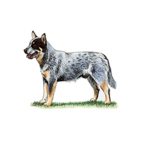
The Australian Cattle Dog presents a strong and compact silhouette, conveying an impression of ruggedness and adaptability. Medium in size, the breed balances power with agility and never looks oversized or delicate. Their body is slightly longer than it is tall, with a solid back, well-muscled chest, and broad, powerful hindquarters designed for stamina and speed.
The head of the Australian Cattle Dog is strong yet well-proportioned, featuring a broad, slightly curved skull and a distinct stop. Expressive, dark brown oval eyes display intelligence and a signature glint of suspicion, particularly when encountering unfamiliar situations. Ears are moderately small, pricked, and set wide apart, emphasizing alertness and a readiness to react. The muzzle is of medium length, tapering gently with a strong jaw, and the lips fit tightly for a neat, clean expression.
Coat wise, the breed stands out for its weather-resistant double layer. The outer coat is straight, dense, and hard, offering protection against the elements, while the undercoat is short and thick. Around the neck, the hair thickens and lengthens, providing extra protection. Australian Cattle Dogs are most commonly seen in colors of blue, blue mottled, blue speckled, or red speckled, with tan or darker markings often present on the head and legs. Their feet are round with well-arched toes and tough pads, and their tail, set low, is carried in a gentle curve, providing balance during quick pivots and hard work.
Bitches typically stand around 17–19 inches at the withers, while males range from 18–20 inches, all showing a firm, well-sprung frame built for activity and endurance. The overall impression is one of muscular symmetry, ready for action in any environment.
Temperament & Behavior
Alert, courageous, and supremely devoted to work, the Australian Cattle Dog exemplifies the temperament of a hardworking herder. These dogs are driven by a need to stay productive and thrive on having a task, whether it’s herding livestock, engaging in obedience, or serving as a devoted family companion. Their intelligence means they quickly understand commands and routines, but it also makes them quick to notice changes in their environment, leading to a naturally watchful and protective personality.
In the home, the Australian Cattle Dog forms deep attachments to its owners and is highly loyal to family members. While affectionate with their people, they typically remain reserved or even wary of strangers. This characteristic, along with their inherent suspicion and protective instinct, makes them natural watchdogs who are keenly aware of who is welcome on their property.
The breed’s roots as a pastoral herder shine through in their attitude toward other animals; they often get along with other dogs if carefully socialized from a young age, but may attempt to herd smaller pets or children due to their strong instinctive drives. As guardians, they take their duty seriously, showing dedication to both their human and animal charges.
Australian Cattle Dogs were bred to work as part of a team, including not only humans but other herding dogs. Still, their independence and braveness mean they are perfectly capable of making quick decisions on their own. With their weather-resistant coats and stamina, they are happiest in environments where they can fulfill some kind of productive role, especially with owners who appreciate and engage their working mindset.
Care & Living Needs for the Australian Cattle Dog
Australian Cattle Dogs demand significant physical activity, typically more than two hours per day, to channel their energy and maintain psychological well-being. Without purposeful activity, they may become restless or develop undesirable behaviors. This breed is best suited to life in a small house that has direct access to a secure, small or medium-sized garden, and they perform best in country settings where there is space to exercise and explore.
Thanks to their short, dense double coat, grooming requirements are modest. Brushing once a week is sufficient to remove loose hairs and keep the coat looking healthy. The breed sheds, particularly during seasonal changes, but regular grooming helps manage loose fur. Their coats are resistant to weather, needing little more than the occasional bath unless they get into something messy during outdoor adventures.
Mental stimulation is crucial for the Australian Cattle Dog’s happiness. Training sessions, agility courses, puzzle toys, and advanced obedience work all help harness their intelligence and drive. Owners are encouraged to rotate activities and provide new challenges to prevent boredom. Consistent boundaries and ongoing engagement build a strong relationship and prevent the dog from developing bad habits.
This breed is not ideal for those seeking a low-energy or highly adaptable pet. Apartment living or sedentary urban life does not meet the Australian Cattle Dog’s needs. They thrive with owners who are as dedicated to activity and consistency as the dog is. For active, experienced individuals or families living in rural or semi-rural settings, the breed can be a lifelong companion and vigilant guard for both home and livestock.
Health & Common Issues
The Australian Cattle Dog is renowned for its robust constitution and capability to work in difficult conditions. While there are no specific breed health tendencies listed here, regular veterinary care remains vital to monitor general wellness, oral hygiene, and overall condition. This, combined with a nutritious diet and appropriate exercise, helps support their health over their typically long lifespan.
Routine check-ups provide the opportunity to address issues that may develop with age, such as joint comfort and dental care. Maintaining a healthy weight and balanced daily activity can help keep joints and muscles in optimal condition throughout their active lives. Regular grooming allows early detection of minor skin concerns and keeps their weather-resistant coat in peak form.
With attentive care and an active lifestyle, Australian Cattle Dogs can remain vigorous companions for many years. Those considering this breed should be prepared for the responsibilities of caring for a physically and mentally demanding dog who returns the favor with steadfast dedication.
Official Breed Standard Summary
The official breed standard for the Australian Cattle Dog outlines a perfectly balanced, muscular, and agile working dog. Ideal representatives of the breed display strength without coarseness or excess bulk, maintaining powerful bone and muscle in a compact frame. Males stand between 18 and 20 inches at the shoulder and females between 17 and 19 inches, with a body that is slightly longer than tall and a level topline indicating fitness and soundness.
Acceptable coat colors include blue, blue-mottled, blue speckled, and red speckled, often with distinctive facial markings and tan on limbs and underparts (for blue dogs). Other color combinations are not accepted under the breed standard. The double coat should be smooth and weather-resistant, with a dense, short undercoat and a hard, straight outer layer. Faults are judged in proportion to their impact on health, welfare, or soundness, with excessive departures from these guidelines discouraged in breeding and in the show ring.
Movement is expected to be free, true, and tireless, reflecting the dog’s capacity for quick direction changes, stamina, and hard work. The overall demeanor is alert, confident, and responsive, traits essential for stock work. Perfect dentition and structural balance are emphasized, and male dogs should have two normal testicles fully descended.
The breed standard serves as a blueprint for the ideal Australian Cattle Dog but recognizes that individual dogs may naturally vary in size. The key is maintaining health, working ability, and classic characteristics that make this breed distinct.
Frequently Asked Questions about the Australian Cattle Dog
Is the Australian Cattle Dog good for first-time dog owners?
Generally, the Australian Cattle Dog is best suited for experienced dog owners due to its high energy, strong herding instincts, and need for consistent training. Beginners may find this breed challenging unless they are prepared to invest time and effort into training and exercise.
How much exercise does an Australian Cattle Dog need daily?
This breed requires more than two hours of physical activity every day to stay healthy and happy. Activities should include vigorous exercise, training, and play to meet their physical and mental needs.
Is the Australian Cattle Dog good with children?
Australian Cattle Dogs are loyal and can be protective of children within their family. However, their herding instincts mean they are generally better suited to homes with older children who understand and respect the dog’s boundaries.
Can the Australian Cattle Dog live in an apartment?
The breed is not suited to apartment living due to its high energy levels and need for regular, intense exercise. They do best in homes with a secure outdoor space where they can run and work.
How much grooming does an Australian Cattle Dog need?
Grooming needs are minimal; brushing once a week is usually plenty to keep the short, dense coat healthy. The breed does shed, particularly during seasonal changes, so regular grooming can help manage loose hair.
Are there common health concerns in this breed?
No specific health problems are highlighted here, but like all breeds, the Australian Cattle Dog benefits from routine veterinary checks, good nutrition, and preventative care to support their long-term well-being.


