
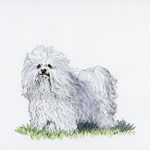
What Are the Traits and Care Tips for Bolognese Dogs?
The Bolognese is a charming small companion dog that appeals to those looking for elegance and character in a petite package. Known for its plush white coat and soulful dark eyes, this breed is suited to individuals or families seeking a devoted, intelligent, and undemanding pet. The Bolognese fits well into homes where companionship is valued and where a calm, affectionate presence is welcome.
This breed thrives as a constant companion, ideal for people with moderate activity levels or those living in apartments or smaller homes. While requiring daily grooming to maintain its beautiful appearance, the Bolognese is relatively low maintenance in most other aspects. It serves the role of a loyal lapdog while also displaying a dignified independence, making it a delightful addition to various lifestyles.
- Overview of the Bolognese
- Key Characteristics
- Appearance of the Bolognese
- Temperament & Behavior
- Care & Living Needs
- Health & Common Issues
- Official Breed Standard Summary
- Frequently Asked Questions
Group: Toy
Size: Small
Exercise needs: Up to 30 minutes per day
Coat length: Long
Grooming: Every day
Shedding: No
Lifespan: Over 12 years
Ideal home type: Flat/ Apartment
Town or country: Either
Garden needs: Small/ medium garden
Overview of the Bolognese
Originating from Bologna in northern Italy, the Bolognese is part of the Bichon family—a group of small, charming dogs prized for their companionship. Over the centuries, these little white dogs became favorites within Mediterranean high society, appreciated for their beautiful coats and warm personalities. This breed’s history is deeply rooted in its role as a treasured lapdog for the elite, and it has managed to retain that sense of elegance and dignity in the modern world.
The Bolognese stands out with its distinctively flocked white coat and compact, square build, combined with a lively yet reserved character. Unlike some flashier toy breeds, the Bolognese is confident but not boisterous, displaying a thoughtful presence. Its easily manageable size makes it particularly adaptable to various home environments, from city apartments to houses with modest gardens.
Today’s Bolognese appeals to a broad range of dog lovers—singles, couples, seniors, and families alike. Known for their loyalty and intelligence, they make wonderful canine partners for those who seek a gentle but watchful companion that is both endearing and easy to live with.
Key Characteristics
- Energy level – Moderately low; suited for short daily play and walks.
- Trainability – Responds well to gentle, consistent methods thanks to high intelligence.
- Intelligence – Clever and quick to pick up routines and cues.
- Prey drive – Generally low, with little inclination to chase.
- Social needs – Enjoys companionship of owners and integrates well as a house dog.
- Compatibility with families and children – Good with gentle children and enjoys a family setting.
- Compatibility with other dogs – Can coexist peacefully if socialized early; prefers small groups to noisy crowds.
- Guarding or watchdog tendencies – Alert but reserved; tends to observe strangers before approaching.
- Adaptability to city or country life – Suitable for either setting; size makes urban living easy.
- Best suited owner type – Those looking for a devoted companion with moderate activity requirements.
- Typical daily routine – Stays close to owners, enjoys quiet indoor time, short walks, and interactive play.
Appearance of the Bolognese
The Bolognese is a small, squarely built toy dog, notable for its compact proportions and overall balance. Males generally stand between 10½ and 12 inches tall, with females a little smaller at 10 to 11 inches. The overall impression is one of sturdiness and classical elegance, reflected in the dog’s balanced frame and poised stance.
The breed’s most striking feature is its dense, pure white coat, which covers its entire body in long, flocked tufts. The coat is naturally curly-free, instead forming soft clumps, and is left untrimmed and natural for an authentic look. The color is a crisp white, and after puppyhood, no shading or markings are desired. Black pigmentation on the nose, lips, and eye rims creates expressive contrast, reinforcing the breed’s lively yet dignified expression.
The head is broad and flat, with a pronounced stop and a large, black nose. Dark, round eyes and long, well-coated ears set high on the head add to the dog’s trademark look. The mouth features a regular scissor bite. The tail feathers gracefully over the back in a loose curve, and the well-proportioned legs and oval feet, ideally with black nails and pads, enhance the breed’s neat appearance.
Temperament & Behavior
The Bolognese at home acts as a devoted, loving presence—always eager to remain near its people while staying appropriately calm indoors. This breed is known for intelligence and a remarkable ability to anticipate its owner’s moods, making it an especially empathetic companion. While affectionate and loyal, the Bolognese is not overly demanding and tends to be reserved around those it does not know well.
When meeting strangers or new dogs, the Bolognese displays a polite reserve rather than any sign of nervousness or aggression. Early socialization will help the breed feel confident in various situations, including family gatherings and outings to the park. Its background as a lapdog shines through in its love of cuddling, yet the intelligence inherited from generations of companion breeding makes it responsive to well-mannered children and other pets.
This breed fits naturally into the lives of those who wish for a companionable, indoor-oriented pet. While it values routine, the Bolognese is adaptable and learns quickly, making it enjoyable for families who appreciate both calm evenings and gentle playtime. Owners may find its reserved nature is perfectly balanced with a gentle cheerfulness and a quiet alertness that makes this little dog a natural observer of household life.
Bolognese dogs are bred to provide companionship rather than serve as traditional working or watchdog breeds. They are sensitive and thrive on gentle interaction, but may be less tolerant of loud or chaotic environments. Owners who recognize and respect this temperament will be rewarded with a steadfast and charming friend.
Care & Living Needs for the Bolognese
Bolognese dogs require only moderate exercise, matching their energy levels with up to 30 minutes of physical activity each day. A couple of short walks combined with supervised play sessions satisfy their needs, making the breed well-suited for those who do not lead an intensely active lifestyle. Their small size and calm disposition mean that they can thrive in apartments and flats, as well as in houses with a small to medium garden for additional play space.
The breed’s plush, long white coat requires daily grooming to prevent tangling and maintain its flocked appearance. While the Bolognese does not shed, regular brushing is essential to keep its coat free of mats. Many owners find grooming time a pleasant bonding activity, and as the breed is shown in a natural state, there is no requirement for elaborate trimming. Basic maintenance such as nail clipping and dental care should also be part of the routine.
Mental stimulation is as necessary as physical exercise for the intelligent Bolognese. Puzzle toys, obedience sessions, or trick training can help sharpen their minds and prevent boredom. Gentle, positive reinforcement works best, as the breed is both sensitive and smart.
The Bolognese is a wonderful choice for individuals or families seeking a devoted companion and willing to commit to its grooming needs. However, it may not suit households where rough play or high-energy activities are expected, nor those seeking a highly independent or protective pet. Its peaceful, gentle nature is best appreciated in stable, calm environments where companionship is mutual.
Health & Common Issues
The Bolognese generally enjoys a robust lifespan of over 12 years, reflecting the overall soundness promoted by breed standards. As with any small breed, maintaining a healthy weight and balanced activity level is crucial for joint and heart health. Regular veterinary checkups help catch any issues early and ensure that vaccinations and preventive care remain up to date.
Dental hygiene deserves special attention, as toy breeds sometimes experience dental challenges due to the size and shape of their jaws. Owners should adopt a routine of regular tooth brushing and provide appropriate dental chews to promote oral health. Eyes and ears should be checked routinely for cleanliness as part of the grooming process.
Bolognese dogs are known for their sturdy build and lack of exaggerated features. With responsible care, balanced nutrition, and awareness of standard dog well-being, most owners find them to be hardy little companions with few common problems. As always, providing a low-stress, nurturing environment is essential for any dog’s long-term health and happiness.
Official Breed Standard Summary
The official breed standard for the Bolognese emphasizes the importance of ideal characteristics, appearance, and overall soundness. These guidelines ensure not only the breed’s beauty but also its functional health. The standard describes the Bolognese as a small, square, white toy dog with a compact build, beautiful head, expressive dark eyes, and a flocked coat. Absolute soundness is paramount, and any exaggerated features that could affect well-being should always be avoided.
Size recommendations suggest males should be between 27 and 30.5 centimeters (10½–12 inches), with females a bit smaller at 25.5 to 28 centimeters (10–11 inches), but individual dogs may vary larger or smaller. The pure white coat, free from any markings in adults, is a signature trait, while black pigmentation on the nose, lips, eye rims, and ideally the nails, is desired for contrast and expression.
The standard encourages a natural, untrimmed state for the coat, which should be long and free from curls. The breed overall should display intelligence, sturdy square proportions, and a clear, harmonious outline. The Bolognese’s structure and expression are intended to reflect both their affectionate companion nature and Mediterranean heritage.
All faults are considered in light of their impact on health and welfare. It is noted that breed measurements are intended as guides, not absolute requirements. Responsible breeding prioritizes overall fitness, personality, and the qualities that make the Bolognese treasured among small companion dogs.
Frequently Asked Questions about the Bolognese
Is the Bolognese good for first-time dog owners?
Yes, the Bolognese is generally a great choice for first-time owners thanks to its gentle temperament and manageable exercise needs. Consistent care and commitment to daily grooming are important to ensure a healthy, happy companion.
How much exercise does a Bolognese need daily?
This breed requires up to 30 minutes of exercise per day, which can include short walks and indoor play. Their moderate energy level makes them ideal for people who enjoy peaceful routines rather than intense activity.
Is the Bolognese good with children?
The Bolognese tends to do well in families with gentle children who understand how to interact respectfully with small dogs. Supervised play and socialization help foster positive relationships.
Can the Bolognese live in an apartment?
Absolutely. The Bolognese adapts well to apartment living as long as it receives sufficient attention and daily opportunities for exercise. Their small size and calm demeanor are suited to city environments.
How much grooming does a Bolognese need?
Daily grooming is essential to keep the Bolognese’s long, flocked coat free from tangles and mats. While they do not shed, regular brushing and maintenance are required to maintain their beautiful appearance.
Are there common health concerns in this breed?
The Bolognese is known for being a generally hardy breed when cared for properly. Attention to dental hygiene and routine veterinary care help maintain optimal health throughout their lifespan.


