
What Are the Traits and Care Tips for a Bichon Frise?
The Bichon Frise is a small, cheerful companion that has enchanted families and dog lovers with its endearing looks and affectionate disposition. Ideal for those seeking a joyful canine presence, this breed thrives as a lapdog and loyal friend, making it especially suited to singles, couples, seniors, and families alike. Its adaptable nature allows it to flourish both in apartments and homes with small gardens, offering companionship without demanding extensive space or exercise.
Famed for its plush white curls and lively “happy-go-lucky” demeanor, the Bichon Frise is known as both an entertainer and a lovable companion. Beneath its stylish coat lies a breed with a storied history as a favorite among nobility and an adaptable, friendly spirit perfect for the modern home. Anyone looking for a playful, sociable, and intelligent little dog with generous affection will find a perfect match in the Bichon Frise.
- Overview of the Bichon Frise
- Key Characteristics
- Appearance of the Bichon Frise
- Temperament & Behavior
- Care & Living Needs
- Health & Common Issues
- Official Breed Standard Summary
- Frequently Asked Questions
Group: Toy
Size: Small
Exercise needs: Up to 30 minutes per day
Coat length: Medium
Grooming: Every day
Shedding: No
Lifespan: Over 12 years
Ideal home type: Flat/ Apartment
Town or country: Either
Garden needs: Small/ medium garden
Overview of the Bichon Frise
The Bichon Frise’s roots run deep in Mediterranean history, tracing back hundreds of years to the island of Tenerife. Originally one of several white-coated dog breeds known collectively as the Bichon family, the Bichon Frise’s name reveals much about its heritage: “Bichon” translates to “white dog,” while “frise” refers to its distinctively soft, curly coat. Traders carried these dogs from the Canary Islands to mainland Europe, where they became cherished companions in the royal courts and luxurious homes of the French nobility.
Historically pampered and often carried around in ornate baskets, the Bichon Frise gained renown for both its beauty and its affectionate presence. Its signature coat and compact size made it a sought-after lap dog among the elite, but its cheerful and adaptable personality meant it was equally comfortable in bustling households. Today, the Bichon Frise is admired worldwide for its combination of charm, intelligence, and versatility.
For prospective owners, the Bichon Frise offers an ideal blend of manageable energy levels, compact proportions well-suited to apartment and urban living, and a social, affectionate attitude. People who want a small dog that is easy to integrate into daily life and brings an infectious excitement to every day are likely to fall quickly in love with the Bichon Frise.
Key Characteristics
- Energy level – Moderate energy; enjoys play and walks but does not require hours of exercise.
- Trainability – Eager to please and generally responsive to positive reinforcement methods.
- Intelligence – Quick to learn new routines and tricks, with an alert and perceptive nature.
- Prey drive – Low prey drive; rarely exhibits strong chasing instincts.
- Social needs – Highly social and thrives on regular interaction with family and visitors.
- Compatibility with families and children – Very good; gentle and playful, making it a safe companion for children under supervision.
- Compatibility with other dogs – Typically friendly and accepting of other dogs in the household or at social settings.
- Guarding or watchdog tendencies – Not a natural guard dog; may alert with barking but is generally too friendly for protection roles.
- Adaptability to city or country life – Equally content in apartments or homes with modest gardens; flexible and adaptable to most lifestyles.
- Best suited owner type – Singles, couples, families, seniors; especially those seeking a devoted companion to share everyday life.
- Typical daily routine – Enjoys morning or evening walks, active play indoors, regular grooming sessions, and plenty of cuddling time.
Appearance of the Bichon Frise
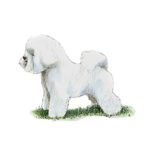
The Bichon Frise presents a well-balanced, compact shape adorned by a striking white coat that curls gently, creating a plush and airy look. Its head is proportionate, neither large nor overtly pronounced, with a rounded skull accentuated by a halo of soft hair. The muzzle is slightly shorter than the skull, lending the breed a harmonious facial structure, while the nose stands out, black and round, contrasting against the coat.
Eyes are one of the Bichon’s standout features—dark, round, and set directly forward with alert and expressive qualities. Black eye rims and surrounding tight skin add emphasis, giving each glance an engaging sparkle. Ears hang close to the head, draped in flowing hair that’s longer than the ear leather, and set just above eye level. When attentive, the ears are carried forward, keeping the breed’s happy and alert appearance front and center.
The neck arches gracefully, forming about a third of the body’s length and flowing smoothly into oblique, well-laid shoulders. The brisket is deep, ribcage well sprung, and the back short and level, maintaining sturdy balance. The front and hind legs are straight, with strong bone but never appearing coarse. Feet are small, compact, and rounded; black pads and ideally black nails complete the look.
The tail is a distinctive feature, set level with the topline and carried with a gentle curve over the back, the plume of curly hair arching elegantly without touching the actual back. The Bichon Frise’s coat remains its crowning glory: fine, silky curls measuring up to 4 inches in length, always white by breeding standard, though puppies may have subtle cream or apricot marks until 18 months. Ideal height falls between 9 and 11 inches at the withers, reinforcing the breed’s manageable size and delicate charm.
Temperament & Behavior
The Bichon Frise is consistently described as gay, happy, and lively—a genuine little clown with a warm, inviting attitude. Its temperament is outgoing and friendly, with a natural readiness to greet old and new friends alike. This breed’s primary pleasure is sharing time with people, whether playing, snuggling, or simply being included in daily activities.
A hallmark of the Toy breed group, the Bichon Frise flourishes in a role that places companionship front and center. These dogs tend to crave attention and thrive when they are active members of the household, making them ill-suited to being left alone for long periods. True to their companion breed heritage, Bichons form close bonds and find comfort and stimulation in the company of their humans.
With children, the Bichon Frise tends to be gentle and tolerant, often matching the playful spirit of younger family members. At home with other dogs, it maintains a friendly and accepting attitude, rarely displaying aggression or territoriality. However, its social nature means that positive introductions and sustained interaction are important to nurture balanced relationships with both animals and people.
Bichons are generally content in smaller spaces and can adapt to apartment living, so long as their social and mental needs are met. While not burdened by excessive guarding instincts, they may alert to knocks or visitors with a cheerful bark—a manageable trait for most owners. Overall, the Bichon Frise’s temperament is ideally suited to anybody seeking a bright, loving, and adaptable friend to share daily life.
Care & Living Needs for the Bichon Frise
The Bichon Frise’s care routine is accessible for most owners but does demand consistency, particularly in grooming. Exercise needs are moderate; a daily walk of up to 30 minutes, interspersed with indoor play, will usually keep the breed healthy and content. The Bichon is not demanding of space, making flats, apartments, or homes with small to medium-sized gardens perfectly suitable. It feels equally at ease in urban and suburban environments, thanks to the breed’s adaptable personality.
Grooming is a central aspect of Bichon ownership. With its medium-length, fine curly coat, the breed does not shed, but daily brushing is important to prevent tangles and maintain a pristine appearance. Regular trimming—either at home if experienced or through a professional groomer—is part of the routine, ensuring the coat remains healthy and distinctive. The breed’s white color shows dirt easily, so baths may also be required more regularly than with some dogs.
Mental stimulation is essential for this intelligent breed. Training sessions using reward-based techniques work well, as the Bichon is keen to please and quick to learn new tasks. Puzzle toys, new tricks, and interactive playtime will keep the breed engaged and well-mannered. Because of its strong bond with people, this breed is best suited to owners committed to spending consistent time at home, making it less ideal for those who travel frequently or are out for long hours daily.
Individuals looking for a low-maintenance pet or unwilling to devote time to grooming and companionship may find the Bichon Frise a challenge. For those dedicated to pampering and providing company, the breed is a lasting source of kindness, fun, and affection.
Health & Common Issues
The Bichon Frise is noted for its longevity and general robustness, with many individuals living well beyond 12 years when provided attentive care. Maintaining a healthy Bichon Frise involves regular veterinary visits for checkups and preventative healthcare, which is key in catching any emerging concerns early.
Owners should pay particular attention to dental health, as small breeds can be more prone to tartar buildup, making tooth brushing and regular checkups valuable. Consistent grooming also provides an opportunity to monitor skin and coat condition. Controlled diets and proper exercise help prevent weight gain, which is vital for joint stability and overall wellness.
Balancing exercise, mental engagement, and routine care will contribute greatly to a happy, healthy Bichon Frise. A committed approach to grooming and regular well-pet exams help set the foundation for a vibrant, long-lived companion.
Official Breed Standard Summary
The official breed standard serves as a guideline for the ideal Bichon Frise, focusing on health, conformation, temperament, and presentation. It prioritizes overall soundness and capacity for the breed’s intended role as a devoted companion. Judges and breeders are asked to avoid exaggerations that could negatively affect health and well-being, and to view desirable features as best expressed in balanced measure.
An ideal Bichon Frise is small and well-proportioned, standing around 9 to 11 inches at the withers. The dog should exude elegance and pride, with a finely curled white coat forming a halo-like silhouette. Movement is balanced and fluid, with a steady topline and an easy reach and drive; the tail forms a graceful arch over the back. Black pigment on the nose, eye rims, and paw pads is preferred, as it offers striking contrast to the predominantly white coat.
The defining coat requires both texture and length—measuring 3–4 inches (7–10 cm)—with soft corkscrew curls. Cream or apricot markings are permissible up to 18 months, but only white is considered standard for adults. Any signs of other colors or a corkscrew tail fall outside acceptability for show presentation. The temperament is described as happy and lively, matching the breed’s historical role as a cheerful and affectionate companion.
Prospective owners should know that official standards are guidelines for the ideal, and individual dogs may vary in size or feature from the breed’s “blueprint.” Male dogs should present as entire (with both testicles fully descended), and any deviation from the standard’s requirements should be weighed in proportion to its impact on health and function.
Frequently Asked Questions about the Bichon Frise
Is the Bichon Frise good for first-time dog owners?
The Bichon Frise is a friendly and adaptable breed, making it an excellent choice for first-time dog owners who are ready to commit to its grooming and companionship needs. Its cooperative personality and manageable energy level help make training and integration into the household smoother.
How much exercise does a Bichon Frise need daily?
This breed typically requires up to 30 minutes of exercise per day, which may include walks and indoor play. The Bichon enjoys activity but does not need strenuous or prolonged outings.
Is the Bichon Frise good with children?
Bichon Frises are known for their gentle and playful nature, making them a good match for families with children. As with all breeds, supervision during play is important to ensure safe and enjoyable interactions for everyone.
Can the Bichon Frise live in an apartment?
The Bichon Frise adapts well to apartment living, as its small size and moderate exercise requirements mean it doesn’t need a large yard. Daily walks and time with family meet most of its needs.
How much grooming does a Bichon Frise need?
Grooming is a significant part of Bichon Frise care. Daily brushing and regular trimming help keep its curly coat in top condition and prevent matting; many owners choose professional grooming for maintenance.
Are there common health concerns in this breed?
The Bichon Frise tends to be robust and long-lived. Monitoring dental health, skin condition, and weight—combined with routine veterinary care—supports the breed’s overall well-being.


