
What Are the Traits and Care Tips for Border Terriers?
The Border Terrier is a spirited small dog, celebrated for its adaptability and tenacity. Equally comfortable chasing vermin on the rugged borders of Northumberland and Scotland as it is curled up at home in a city apartment, this breed strikes a rare balance between working instincts and family devotion. Owners seeking an active, affectionate companion with a distinctively hardy personality often find the Border Terrier an ideal fit.
Known for its expressive face and dense, weather-resistant coat, the Border Terrier excels as much as a loyal family member as it does in traditional working roles. Prospective owners will find this breed thrives on participation—whether that’s accompanying you on daily walks, delighting children with playful antics, or offering a watchdog’s alertness. With the right guidance, the Border Terrier becomes a lively, steadfast addition to many modern households.
- Overview of the Border Terrier
- Key Characteristics
- Appearance of the Border Terrier
- Temperament & Behavior
- Care & Living Needs
- Health & Common Issues
- Official Breed Standard Summary
- Frequently Asked Questions
Group: Terrier
Size: Small
Exercise needs: Up to 1 hour per day
Coat length: Short
Grooming: More than once a week
Shedding: Yes
Lifespan: Over 12 years
Ideal home type: Flat/ Apartment
Town or country: Either
Garden needs: Small/ medium garden
Overview of the Border Terrier
The Border Terrier hails from the rugged landscapes straddling the boundary of Northumberland and Scotland, an area that not only lent the breed its name but also shaped its character. Originally bred during the late 19th century to work closely with Border Foxhounds, these tenacious terriers excelled as “earth dogs”—specialists tasked with pursuing foxes and various vermin above and below ground. Their reputation quickly spread beyond the countryside, and as city living became more common, the breed proved equally at home with urban families.
Throughout history, the Border Terrier has collected various local nicknames, from the Reedwater Terrier to the Coquetdale Terrier. This rich heritage still informs their spirited personality and working drive. For those seeking a small, versatile companion who can keep up with active routines and participate in family life, the Border Terrier offers both rugged durability and affectionate loyalty. Their modest size and trainability also make them a favorite for owners in smaller living spaces such as apartments and homes with modest gardens.
Today, the Border Terrier is trusted for its cheerful spirit, game nature, and resilient constitution. Modern owners, whether in the city or countryside, continue to value the breed’s unique blend of alertness, companionship, and manageable size. The breed’s history as a true working terrier continues to shine through, even when settled comfortably in a loving home.
Key Characteristics
- Energy level – The Border Terrier is an active, energetic breed requiring daily exercise and mental stimulation.
- Trainability – Known for intelligence and willingness to learn, they respond well to consistent, positive training.
- Intelligence – Their quick wits and alertness make them both adaptable and quick to pick up new commands.
- Prey drive – True to their terrier roots, they have a high prey drive and an instinct for chasing small animals.
- Social needs – They thrive on regular interaction with people and enjoy being included in family activities.
- Compatibility with families and children – Generally gentle and playful, making them suitable for families with children.
- Compatibility with other dogs – They can coexist with other dogs, especially when socialized early, though terrier spunk sometimes shows.
- Guarding or watchdog tendencies – While not aggressive, their alert nature makes them good watchdogs for the home.
- Adaptability to city or country life – The breed is at ease in both rural and urban environments, adaptable to various household sizes.
- Best suited owner type – Owners who are active and enjoy daily walks or outdoor activities will find the Border Terrier a fitting companion.
- Typical daily routine – Regular walks, interactive play sessions, and time with family keep this cheerful dog content.
Appearance of the Border Terrier
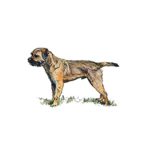
The Border Terrier is easily recognized by its compact, athletic build and alert, expressive face. Balanced proportions are a hallmark of the breed: males weigh between 13 to 15½ pounds (6–7 kg), while females range from 11½ to 14 pounds (5–6.5 kg). Despite their modest size, Border Terriers possess a deep, narrow, fairly long body that is strong yet not overly heavy, contributing to their ability to keep up with horses during hunts and slip into tight spaces underground.
A defining feature of the Border Terrier is its otter-like head—moderately broad with a short, sturdy muzzle. Eyes are dark and radiate a keen expression, while small V-shaped ears drop forward close to the cheeks. The jaws display a strong scissor bite, though a level bite is also acceptable. The neck is of moderate length, leading into straight forelegs and strong loins. Hindquarters are athletic and “racy,” finishing with small, thick-padded feet that provide excellent traction over varied terrain.
The coat is short but dense and uniquely harsh to the touch, with a thick undercoat that protects against harsh weather. Coat colors include red, wheaten, a variety of grizzle and tan shades, and blue and tan. The tail is moderately short, thick at the base, and tapers slightly, typically carried in a jaunty, cheerful manner but never curled over the back.
Altogether, the breed presents a sturdy, practical appearance, signaling both its origins as a working terrier and its readiness for an active family life.
Temperament & Behavior
The Border Terrier epitomizes the terrier spirit: lively, game, and always ready for action. At home, these dogs are affectionate and playful, enjoying attention from family members while remaining alert to their surroundings. Though bred for hunting vermin, they easily adjust to life as a devoted companion, taking an interest in everyday family activities and relishing plenty of engagement from their people.
This breed’s courage and persistence are the results of centuries of purposeful selection for toughness and bravery. As with many terriers, Border Terriers have a strong prey drive and considerable tenacity—a combination that endears them to fans of working breeds but may require gentle management around smaller household pets. Early socialization further encourages balanced behavior and helps them get along with other dogs.
Interaction with children is typically positive; Border Terriers tend to be patient, gentle, and enthusiastic playmates. Their small size makes them manageable for kids, but their energy and occasional cunning mean supervision is always wise. While they may bark to alert their family to something unusual, they are rarely aggressive and are usually content to greet new people with interest, not suspicion.
Owners need to be prepared for a clever, engaged dog who thrives on attention and activity, along with a touch of the classic terrier stubbornness. Mental stimulation, gentle training, and a clear routine all help channel the breed’s energy productively.
Care & Living Needs for the Border Terrier
The Border Terrier requires up to an hour of exercise every day, which can include brisk walks, play sessions, or interactive games that challenge both body and mind. Their compact size allows them to adapt to smaller living spaces, such as flats or apartments, as long as their exercise and stimulation needs are met. Access to a small or medium garden is a bonus, providing a safe space for exploration and play, but this breed does not demand a large yard.
Grooming is an important part of Border Terrier care. Their harsh, short coat is generally low-maintenance but benefits from being brushed more than once a week to reduce shedding and keep the coat healthy. Occasional hand-stripping helps maintain the correct texture. While they do shed, routine grooming helps manage this and contributes to a tidy appearance. Their double coat is weather-resistant, which also helps keep dirt to a minimum.
Training sessions and mental challenges are essential for this intelligent, energetic terrier. Puzzle toys, scent games, and regular obedience exercises prevent boredom and overeager behaviors. The Border Terrier responds well to positive reinforcement and clear guidelines, making them well-suited for dog owners willing to invest time in gentle, consistent teaching.
Those looking for a calm, sedentary dog or someone unwilling to commit to regular grooming and exercise may find the Border Terrier’s needs demanding. With the right family, however, these endearing and energetic dogs give back far more than they require.
Health & Common Issues
The dataset does not specify particular health conditions unique to the Border Terrier. In general, as a robust small breed, they are known for their resilience and can live well beyond 12 years with proper care. Their overall construction and coat help them thrive in various environments and weather conditions.
Like any active breed, it is wise for owners to support joint health through age-appropriate exercise, prevent obesity with measured feeding, and provide regular veterinary check-ups. Teeth and ears should be monitored during routine grooming, as maintaining cleanliness here contributes to long-term health. Ensuring they do not overdo strenuous activity, especially when young, can help avoid preventable injuries.
Routine preventive care—including vaccinations, weight management, and parasite control—helps maintain the Border Terrier’s naturally hardy constitution. With commitment to a balanced diet, exercise, and regular checkups, most Border Terriers remain fit, spirited, and healthy for many years.
Official Breed Standard Summary
The official breed standard for the Border Terrier describes the ideal dog as essentially a working terrier with soundness, stamina, and character. The breed should be capable of following a horse, reflecting the origin of trailing alongside foxhounds, and should display alertness, activity, and gameness. Excesses or features detrimental to the breed’s health or welfare are strictly discouraged.
General appearance is that of a compact, narrow, and deep-bodied terrier, with an otter-like head and dark, keen eyes. The coat must be harsh and dense with a thick undercoat, while recognized colors include red, wheaten, a variety of grizzles (including blue and tan), and grizzle with tan. The tail is set high, moderately short, and carried with cheerful confidence. The Border Terrier should have a correct bite (preferably scissor) and strong, straight forelegs.
Acceptable weights are 13–15½ pounds for dogs and 11½–14 pounds for bitches, although the standard notes that not every individual may fall exactly within these ranges. Any fault should be assessed according to its impact on a dog’s ability to function as a working terrier and on general health. Male dogs should have two fully descended testicles as a sign of sound breeding.
This official description ensures that the breed retains both its traditional working qualities and modern appeal, emphasizing a balance between appearance, health, and temperament. Whether as a show dog or a family companion, the Border Terrier is expected to stay true to its spirited and capable heritage.
Frequently Asked Questions about the Border Terrier
Is the Border Terrier good for first-time dog owners?
The Border Terrier can make an excellent choice for first-time owners who enjoy an active lifestyle and are committed to regular exercise and positive training. Their intelligence and devotion make them generally easy to live with, but their energy level and prey drive suit those ready for lively companionship.
How much exercise does a Border Terrier need daily?
Border Terriers require up to an hour of exercise each day, which can be divided between daily walks, play sessions, and mental activities. Keeping them physically and mentally engaged is key to a well-adjusted dog.
Is the Border Terrier good with children?
Yes, Border Terriers are typically gentle, playful, and patient with children. As with all breeds, supervision is recommended to ensure respectful play from both the dog and children.
Can the Border Terrier live in an apartment?
The breed adapts well to apartment living, provided its daily exercise and mental stimulation needs are met. Access to a small or medium garden is helpful, but not essential if the dog is given regular walks and interactive playtime.
How much grooming does a Border Terrier need?
The Border Terrier’s coat should be brushed several times a week and may benefit from occasional hand-stripping to keep its harsh texture. While they do shed, their grooming routine is relatively manageable for most owners.
Are there common health concerns in this breed?
No specific health issues are noted in the information provided. Maintaining a healthy weight, routine vet checks, and preventive care are the best ways to support the Border Terrier’s long and healthy life.


