
What Are the Traits and Care Tips for Bedlington Terriers?
The Bedlington Terrier is a unique and eye-catching member of the terrier group, known for its distinctive lamb-like appearance and agile athleticism. Whether you are looking for a spirited companion dog or a lively family member, the Bedlington Terrier offers a delightful blend of intelligence, affectionate behavior, and sporting instinct. Their manageable size and adaptable temperament make them suitable for a wide range of households, from singles and couples to active families.
This breed thrives best with owners who enjoy an energetic yet manageable pet, and those willing to provide regular grooming and mental stimulation. Originally bred for dispatching vermin, the Bedlington Terrier brings both playful charm and a touch of old-world working grit into modern homes. Their willingness to bond with people and overall dignified demeanor make them a compelling choice for those looking to share their life with a confident, gentle dog who stands out from the crowd.
- Overview of the Bedlington Terrier
- Key Characteristics
- Appearance of the Bedlington Terrier
- Temperament & Behavior
- Care & Living Needs
- Health & Common Issues
- Official Breed Standard Summary
- Frequently Asked Questions
Group: Terrier
Size: Small
Exercise needs: Up to 1 hour per day
Coat length: Medium
Grooming: Once a week
Shedding: No
Lifespan: Over 10 years
Ideal home type: Small house
Town or country: Either
Garden needs: Small/ medium garden
Overview of the Bedlington Terrier
The Bedlington Terrier traces its roots to the small mining town of Bedlington in Northumberland, northern England. Originally known in neighboring areas as the Rothbury Terrier, this breed was celebrated for its remarkable skill at ridding farms and homes of vermin, from rabbits to even the occasional fox. Its history is laced with tales of prowess, agility, and indomitable spirit, making it both a favorite of working farmers and eventually, families seeking a distinctive, devoted pet.
Although its exact origins are subject to some debate, the Bedlington Terrier likely shares ancestry with breeds such as the Bull Terrier, Otterhound, and possibly the Dandie Dinmont. Over time, selective breeding enhanced its unique blend of grace via an arched back, signature “linty” coat, and striking head shape. What emerged is a dog as capable as it is eye-catching—a terrier with both muscle and elegance, blessed with a gentle expression that belies its spirited job description.
Today, prospective owners are attracted not only to the Bedlington’s stylish silhouette but also to its blend of affectionate companionship and keen sportiness. Its manageable size suits smaller houses and modest gardens, while its adaptability means it can settle comfortably in either town or countryside, provided it receives attention and daily activity.
Key Characteristics
- Energy level – Lively and spirited, but content with moderate daily exercise.
- Trainability – Intelligent and eager to please, Bedlington Terriers respond well to gentle, consistent training.
- Intelligence – Quick-thinking and clever, they benefit from mental stimulation and interactive games.
- Prey drive – Strong, given their history as vermin hunters; may chase small animals if not managed.
- Social needs – Enjoy being part of household life and form close bonds with their people.
- Compatibility with families and children – Naturally good-tempered and affectionate, making them well-suited for respectful children.
- Compatibility with other dogs – Generally sociable, especially when raised with other dogs, though individual personalities vary.
- Guarding or watchdog tendencies – Alert and capable of sounding the alarm when visitors arrive, but not aggressive.
- Adaptability to city or country life – Happy in both urban and rural settings as long as exercise and mental needs are met.
- Best suited owner type – Matches best with active individuals or families who can provide interaction, play, and some regular grooming.
- Typical daily routine – Enjoy daily walks, some playtime, and time spent participating in shared family activities.
Appearance of the Bedlington Terrier
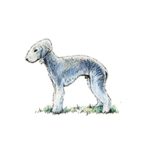
The Bedlington Terrier instantly stands out thanks to its lamb-like outline, highlighted by a slender, arched back, a pear-shaped head topped with a distinctive silky “top knot,” and an overall sense of grace and muscularity. This breed has a lithe profile, neither weak nor heavy, and carries itself with an elegant confidence. Its body is slightly longer than its height at the withers, with a pronounced arch over the loin that enhances its flexible, agile appearance.
The head is long, narrow, and tapers smoothly, presenting a straight line from the neck to the nose without any abrupt stop. Eyes are small, bright, and triangular in impression, bringing a sense of keen intelligence. Ears are set low, shaped like a filbert (hazelnut), hanging flat against the cheek and ending in a whitish fringe, adding to its charming, unique look. The neck is long and elegant, giving the dog a natural air of distinction.
One of the breed’s most luxurious features is its coat—a thick, linty texture that stands away from the skin with a marked tendency to twist, especially on the head and face. The Bedlington may be blue, liver, or sandy, with or without tan markings. Blue varieties have dark eyes and black noses; liver and sandy have lighter eyes and brown noses. Darker pigmentation is considered particularly desirable. The overall effect is both striking and soft, with the medium-length coat requiring regular attention to stay in good condition.
Finishing off the look are long, hare-like feet with strong, well-closed pads, and a gracefully curved tail that never rides over the back. The Bedlington typically stands about 16 inches at the shoulder and weighs between 18 and 23 pounds, making it a manageable size for most homes.
Temperament & Behavior
The Bedlington Terrier is known for a dignified, affectionate personality, making it a rewarding choice for homes seeking both sociability and character. Good-tempered and mild when relaxed, the breed is quick to display confidence and courage when stimulated, reflecting its heritage as a talented hunter and working dog. This blend of calmness and spunk makes the Bedlington a great family dog, often bonding closely with all members of the household.
Terriers in general were bred to be bold and tough, and the Bedlington is no exception. Its spirited demeanor is matched by a sharp intelligence, always ready to engage in play or learn new tasks. At home, they are calm and dignified, showing patience and gentleness with those they trust, although—as with many terriers—they may show a flash of determination if their sporting instinct is engaged.
In their interactions with people, Bedlingtons make attentive and loyal companions. They thrive on involvement in family activities and display affectionate natures without being overly demanding. With children, they are typically gentle and tolerant, provided the play is respectful. While they tend to get along with other dogs, especially those they are raised with, their background as a working terrier means they may retain a strong instinct to chase smaller animals outdoors.
Watchdog skills are present in the Bedlington’s makeup. They are alert and ready to inform owners of newcomers, but this tendency remains balanced and rarely becomes excessive. Overall, living with a Bedlington Terrier means enjoying a harmonious combination of poise, playfulness, and steadfast companionship.
Care & Living Needs for the Bedlington Terrier
With their moderate size and balanced temperament, Bedlington Terriers fit well in a variety of home environments. A small house or apartment is suitable, especially if there is a small to medium garden for play. They thrive whether in a town or country setting, provided their daily need for activity is satisfied. About an hour of exercise per day, via walks, games, or off-lead play in a secure garden, typically suffices to meet physical needs.
Grooming for the Bedlington Terrier is more demanding than for some breeds, primarily due to its dense, twisting, medium-length coat. Weekly brushing helps prevent mats and keeps the coat clean, while regular trips to a professional groomer for trimming ensure the distinct outline and healthy fur. An added benefit is that this breed does not shed, making it more comfortable for people who prefer a tidy home environment.
Mental stimulation is just as crucial as physical exercise. Bedlingtons are sharp thinkers who enjoy interactive toys, puzzle feeders, and positive-reinforcement training sessions. Early socialization helps ensure they grow into well-adjusted adults. Training should be gentle and consistent, using praise and treats to maintain their engagement. Strong prey drive means off-lead time is best reserved for fenced areas unless a solid recall is established.
Potential owners who desire a dog with minimal grooming needs or those unwilling to provide interactive activity may find the Bedlington’s requirements less suitable. Likewise, homes with a large number of small pets might need to take extra precautions given the breed’s natural hunting instincts. For those who welcome a bit of weekly grooming and enjoy being active with their dogs, the Bedlington Terrier makes a lively, adaptable housemate.
Health & Common Issues
The Bedlington Terrier is generally known for a robust constitution and a lifespan that regularly extends beyond ten years. While no specific health issues are highlighted for this breed, it remains important for owners to provide regular veterinary check-ups, balanced nutrition, and an appropriate exercise routine to maintain their dog’s wellbeing into old age.
Good dental hygiene, maintaining a healthy weight, and regular grooming contribute not only to the Bedlington’s looks but also to their overall health. Monitoring for changes in behavior or movement and ensuring that claws, ears, and teeth are cleaned as needed can help detect issues early on.
Even without a list of typical health problems, responsible ownership and attention to the dog’s needs provide the best foundation for a healthy, contented Bedlington Terrier. Families considering this breed are encouraged to develop a relationship with a trusted veterinarian, maintain vaccination and parasite prevention routines, and stay alert to the unique needs that come with their luxurious coat and energetic spirit.
Official Breed Standard Summary
The official breed standard for the Bedlington Terrier describes a graceful, muscular dog whose unique physical qualities balance both function and form. Essential features include a pear-shaped head topped with a nearly white “top knot,” a long and elegant neck, straight forelegs, flexible and arched body, and a lithe build free from heavy or coarse aspects. The breed should appear capable of substantial speed and stamina, with movement characterized by a springy, mincing gait and a rolling stride at higher paces.
Accepted coat colors include blue, liver, or sandy, with or without tan markings. Pigmentation is given importance, with blues and blue-and-tans possessing black noses, while livers and sandies should have brown noses. The coat should be distinctive in its thickness and “linty” texture with a tendency to curl, especially over the head and face. The ideal Bedlington stands about 16 inches at the shoulder and weighs between 18 and 23 pounds, with slight variations allowed for gender.
The breed standard emphasizes overall soundness and health, guiding breeders and judges to avoid excessive features that could impact welfare. Faults are weighed according to their effect on the dog’s wellbeing rather than cosmetic criteria, ensuring the breed remains fit for its original purpose. Notably, male Bedlingtons should have two normal testicles present, and size ranges are given as guides rather than strict requirements, allowing for healthy individual variation.
Frequently Asked Questions about the Bedlington Terrier
Is the Bedlington Terrier good for first-time dog owners?
The Bedlington Terrier can make a good choice for dedicated first-time owners who are ready for a dog with an active mind and some grooming needs. Their affectionate nature and moderate size make them approachable, though regular coat care and daily engagement are required.
How much exercise does a Bedlington Terrier need daily?
Bedlington Terriers are content with up to an hour of exercise each day. This can include walks, play sessions, and free time in a secure yard or garden.
Is the Bedlington Terrier good with children?
This breed is generally gentle and patient with children, especially when raised together and treated respectfully. Supervised interactions and teaching children how to engage properly with dogs will yield the best relationship.
Can the Bedlington Terrier live in an apartment?
The Bedlington’s size and adaptable energy levels mean they can do well in an apartment, provided they receive their daily exercise and mental enrichment. Access to a secure garden or regular outings will help keep them happy.
How much grooming does a Bedlington Terrier need?
Weekly brushing, regular trimming, and occasional baths are needed to maintain the Bedlington Terrier’s unique coat. The effort is rewarded with a low-shedding, attractive dog.
Are there common health concerns in this breed?
No major health concerns are defined for the Bedlington Terrier in the available information. Regular veterinary care and attention to grooming, dental hygiene, and diet support ongoing health.


