
What Are the Traits and Care Tips for Otterhounds?
The Otterhound is an impressive and noble hound breed, treasured by dog enthusiasts for both its historic working heritage and its fun-loving, companionable spirit. This large, shaggy-coated breed is ideal for active homes that appreciate a rare and distinctive dog with energy to spare and a gentle demeanor. The Otterhound appeals especially to those seeking a dog with a strong sense of character and an undeniable presence, yet one that is also steady and amicable at heart.
As a breed that was once vital for otter hunting along the waterways of the British countryside, the Otterhound retains many traits of a capable working dog: excellent scenting ability, perseverance, and physical stamina. For the right family—one with ample space, a large yard, and a love for the great outdoors—the Otterhound stands out as a lively, loyal, and companionable member who thrives when included in an active lifestyle.
- Overview of the Otterhound
- Key Characteristics
- Appearance of the Otterhound
- Temperament & Behavior
- Care & Living Needs
- Health & Common Issues
- Official Breed Standard Summary
- Frequently Asked Questions
Group: Hound
Size: Large
Exercise needs: More than 2 hours per day
Coat length: Medium
Grooming: More than once a week
Shedding: Yes
Lifespan: Over 10 years
Ideal home type: Large house
Town or country: Country
Garden needs: Large garden
Overview of the Otterhound
The Otterhound’s lineage stretches deep into the traditions of British working dogs, where these hounds were once vital pack members for hunting otters along rivers and streams. After the banning of otter hunting in 1978, the breed endured a period of uncertainty, with some packs being dispersed and numbers dwindling. Fortunately, dedicated breed enthusiasts played a crucial role in safeguarding the Otterhound’s future, maintaining these extraordinary dogs even as their original purpose faded into history.
Today’s Otterhound is a rare breed, known for its distinguished appearance and weather-resistant double coat. The breed’s unique features—like its oily, textured fur and webbed feet—speak to its origin as a specialized water hound. Modern Otterhounds are prized companions for those who have the space and time to meet their considerable exercise and mental stimulation needs. Otterhounds suit owners who live in rural settings or have generous access to outdoor areas, as they truly thrive in environments where their stamina and tracking instincts can shine.
The Otterhound’s loyal and amiable nature, combined with a hearty work ethic, make it a superb fit for families who appreciate intelligent, active dogs. While its numbers remain low and it is considered a vulnerable native breed, the Otterhound’s steadfast following ensures that its unique character and head-turning looks continue to be celebrated amongst hound lovers and active dog owners.
Key Characteristics
- Energy level – Exceptionally high; this breed requires more than two hours of vigorous activity each day.
- Trainability – Intelligent and attentive, but can be independent-minded and may require patience in training.
- Intelligence – Sharp scenting ability and quick to learn, particularly when motivated by scent-based activities.
- Prey drive – Strong natural instincts for tracking and scenting, a legacy from its hunting roots.
- Social needs – Enjoys companionship, best suited to households where it won’t be left alone for long periods.
- Compatibility with families and children – Known for an even temperament and generally amiable with children.
- Compatibility with other dogs – Tends to get along well with other dogs, especially when raised together from an early age.
- Guarding or watchdog tendencies – Not especially territorial; more likely to greet guests with curiosity than suspicion.
- Adaptability to city or country life – Best suited to country living or homes with large outdoor space; urban settings are not ideal.
- Best suited owner type – Active individuals or families with time, space, and enthusiasm for outdoor adventures.
- Typical daily routine – Needs routine exercise, playtime, and social engagement to channel energy and avoid boredom.
Appearance of the Otterhound
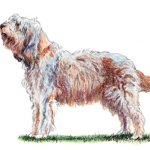
The Otterhound is a striking, large hound with a powerful and imposing presence. Males typically stand around 27 inches at the shoulder, with females measuring about 24 inches. The overall build is robust and straight-limbed, indicating a dog bred for endurance and strength, with a broad back and level topline that hints at its working dog origins.
This breed is instantly recognizable for its long, rough, double coat, which ranges from 1½ to 3 inches in length. The outer coat is dense and harsh, while the undercoat provides insulation against water and cold—traits developed for long days of work in British waterways. A distinct oiliness, sometimes with a noticeable odor, is a hallmark of the Otterhound’s weather-resistant coat. The coat colors span a wide palette, including black and blue, black and tan, grizzle and white, liver and tan, particolour, red grizzle, and white with black. White hounds may have subtle markings in lemon, blue, or badger, but highly contrasting patches are not accepted by the standard.
The Otterhound’s head is majestic and expressive, displaying a nice dome to the skull with open, amiable features and a distinct stop. Perhaps its most unique physical trait is its long, pendulous ears, set level with the eyes and covered in fringed hair, which give the breed a draped, aristocratic appearance. Large, round, webbed feet and a thick tail—carried high when alert—underline the Otterhound’s abilities as a water worker and provide both utility and a touch of grandeur. Altogether, the Otterhound’s looks tell a story of both function and beauty, seamlessly blending rugged practicality with noble charm.
Temperament & Behavior
At home, the Otterhound is a reliably amiable and even-tempered companion. The breed shines for its gentle, tolerant nature and typically gets along well with both family members and visiting friends. Aggression and undue nervousness are considered faults according to the breed standard; an approachable, open expression is sought after in these hounds.
Otterhounds originate from a group of breeds developed for hunting by scent or sight, much like the Beagle and Bloodhound. As such, they are dignified partners—intelligent, independent, and trustworthy. At the same time, they tend to have a playful, sometimes clownish spirit, particularly when their physical and mental needs are met. While they are devoted to their families, their hound instincts mean they may sometimes be more interested in following an interesting scent than staying close at heel.
Socialization is important for Otterhounds, particularly with smaller pets due to a strong prey drive. With thoughtful introductions, they usually coexist peacefully with other dogs. They are generally tolerant with children, though their large size and exuberance call for supervision during play. Otterhounds are not natural watchdogs; instead of guarding the house, they are more likely to offer a wet nose and a friendly greeting.
The chief challenge for prospective owners is the breed’s independent thinking and persistent voice—Otterhounds are not typically quiet dogs, and their enthusiastic approach to life extends to their vocalizations. Patience, early training, and a good sense of humor help bring out the best in this rare hound.
Care & Living Needs for the Otterhound
Owning an Otterhound requires commitment to robust daily exercise and an environment that can accommodate its size and energy. These hounds need at least two hours of outdoor activity daily, which may include long walks, swimming, sniffing games, or supervised off-leash exploration in secure areas. Their large build and active tendencies mean a spacious house and a large, fenced garden are ideal settings. The Otterhound is best suited for country living or rural homes, where open space is plentiful and boredom is less likely to set in.
Coat care is another essential aspect. The breed’s medium-length, rough double coat requires brushing multiple times a week to reduce tangles and control shedding. Special attention is needed in wet or muddy conditions; the Otterhound’s oily fur can trap dirt and sometimes carries a distinct “houndy” odor. Giants among scent hounds, their grooming needs are manageable but should not be neglected. Regular ear checks are important too, since their long, hairy ears can trap moisture.
Because Otterhounds are intelligent and sometimes willful, training sessions should be varied and rewarding, using scent work and retrieval games to engage their natural skills. Mental stimulation is as crucial as physical exercise to keep the breed content. First-time dog owners may find the Otterhound’s exuberance and independence challenging, especially in urban or apartment environments where exercise opportunities are limited. This breed does not fit well in small homes or sedentary lifestyles, nor does it enjoy being left alone for long periods.
Health & Common Issues
The Otterhound’s specific health profile is not detailed here, but responsible care includes keeping up with routine veterinary visits and ensuring that weight and exercise are balanced. Their large frames benefit from monitored activity levels to prevent overexertion, especially in developing puppies and mature adults.
It’s important to pay attention to the breed’s skin and coat, maintaining cleanliness while preserving the natural oils that protect against water. Ear care is especially vital; the Otterhound’s long ears can create an environment where moisture and debris linger. Brushing teeth and maintaining nail health round out the basic care regime.
Active Otterhounds should be provided with varied exercise to maintain both joint and muscular health. As with any large breed, attention to potential physical strain and a focus on gradual, age-appropriate activity is wise. Preventive healthcare, well-managed nutrition, and a nurturing home environment will help support a healthy, happy Otterhound over the years.
Official Breed Standard Summary
The official breed standard for the Otterhound offers a blueprint for the breed’s ideal characteristics, temperament, and appearance. Absolute soundness and functionality are central, ensuring that typical traits do not come at the cost of health or welfare. Features like the rough, waterproof double coat, large webbed feet, and majestic head are all there to serve the breed’s historical function and to provide the distinctive look that Otterhound fanciers appreciate.
Size is specified at approximately 27 inches at the shoulder for males and 24 inches for females, but the standard notes that variations occur and that perfect measurements are less important than soundness and type. Official colors span all recognized hound shades—black and blue, black and tan, grizzle and white, liver and tan, particolour, red grizzle, and white with black—though highly contrasting patchwork patterns are not accepted. The coat should never be trimmed for show, and a natural, practical appearance is favored.
Movement is a critical feature: Otterhounds should display a loose but active and long-striding trot, a reflection of their ability to work both in water and on land all day long. Faults in the standard are regarded in proportion to how much they affect the health, welfare, or sound function of the dog.
Prospective puppy owners should use the breed standard as a general guide rather than an absolute rule for all measurements. The focus should remain on selecting healthy, sound, and well-socialized puppies that embody the true character of the breed.
Frequently Asked Questions about the Otterhound
Is the Otterhound good for first-time dog owners?
This breed is generally not recommended for first-time dog owners due to its size, energy, and independent nature. It suits experienced owners who can provide consistent training and ample activity.
How much exercise does a Otterhound need daily?
An Otterhound requires more than two hours of physical activity each day. Activities such as walking, scent games, and swimming help fulfill this breed’s exercise and mental stimulation needs.
Is the Otterhound good with children?
The Otterhound is typically amiable and patient with children, making it a good family companion. Supervision is required due to its large size and exuberant play style.
Can the Otterhound live in an apartment?
The Otterhound is not well-suited to apartment living, as it thrives in large homes with access to spacious gardens or rural areas. Its energy and space requirements are best met in a country setting.
How much grooming does a Otterhound need?
The breed needs brushing more than once a week to keep its rough, medium-length coat in good condition. Regular grooming also helps control shedding and maintain skin health.
Are there common health concerns in this breed?
No specific issues are detailed here, but, like all large breeds, Otterhounds benefit from routine veterinary care and a balanced lifestyle. Attention to ear cleaning, coat maintenance, and overall health will help support their wellbeing.


