
What Are the Traits and Care Tips for a Norwegian Elkhound?
The Norwegian Elkhound is a robust and ancient spitz breed with a proud history as Norway’s premier hunting companion. Known for its strength, stamina, and independence, this dog excels in active households where companionship goes hand in hand with a love of the outdoors. Its natural athleticism and alertness suit energetic owners seeking a loyal partner for walks, hikes, and other adventures.
Families and individuals who appreciate active, medium-sized breeds will find the Norwegian Elkhound both engaging and devoted. This breed’s combination of intelligence, hardiness, and friendly disposition makes it a solid fit for those who can provide ample space, regular exercise, and a stimulating environment.
- Overview of the Norwegian Elkhound
- Key Characteristics
- Appearance of the Norwegian Elkhound
- Temperament & Behavior
- Care & Living Needs
- Health & Common Issues
- Official Breed Standard Summary
- Frequently Asked Questions
Group: Hound
Size: Medium
Exercise needs: Up to 1 hour per day
Coat length: Medium
Grooming: More than once a week
Shedding: Yes
Lifespan: Over 10 years
Ideal home type: Large house
Town or country: Either
Garden needs: Large garden
Overview of the Norwegian Elkhound
The Norwegian Elkhound traces its roots deep into Scandinavian history, with evidence dating as far back as the Stone Age. Fossilized remains show that dogs like the Elkhound have remained virtually unaltered through centuries, a testament to their successful adaptation to northern environments and lifestyles. Their spitz-like features and durable build reveal a breed shaped by the rugged demands of Norway’s forests and mountains.
Historically, Norwegian hunters relied on these dogs not just as companions, but as essential partners in the pursuit of large game such as elk. The Elkhound’s hallmark bark, keen sense of smell, and physical endurance allowed it to track and corner prey in challenging terrain while remaining responsive to its handler. This working legacy endows the breed with an athletic and confident nature, ideal for owners who value outdoor activities and energetic dogs.
The Norwegian Elkhound best suits active households that can provide a generous outdoor space and daily exercise. Owners who appreciate independent yet affectionate breeds will enjoy the Elkhound’s blend of loyalty and spirited personality. With proper leadership and stimulation, this breed offers steadfast companionship and a unique link to Norway’s natural heritage.
Key Characteristics
- Energy level – The Norwegian Elkhound thrives on activity and benefits from up to an hour of daily exercise.
- Trainability – Bright and willing, but their independent streak means consistent, positive training works best.
- Intelligence – Highly intelligent, these dogs quickly understand new tasks and cues.
- Prey drive – Originally bred for hunting, they possess a strong instinct to chase.
- Social needs – Enjoy companionship and being part of the family, but can be content alone for reasonable periods.
- Compatibility with families and children – Generally good with children and family members, especially when socialized from a young age.
- Compatibility with other dogs – Tolerant and usually friendly with other dogs if introduced properly.
- Guarding or watchdog tendencies – Naturally alert and will bark to alert the household to unfamiliar presence.
- Adaptability to city or country life – Can adapt to either environment with ample space and exercise opportunities.
- Best suited owner type – Active individuals or families willing to invest time in exercise and mental stimulation.
- Typical daily routine – Enjoys structured routines with play, walks, grooming, and time spent with family.
Appearance of the Norwegian Elkhound
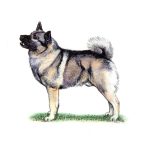
The Norwegian Elkhound impresses with its sturdy build and distinctive spitz features. This breed has a compact, powerful body shaped in a near-square outline, coupled with a proud carriage that speaks to its heritage as a working hunter. Its medium-size frame gives an impression of both strength and agility, with males ideally standing around 20.5 inches at the shoulder and females a little less, weighing approximately 51 and 44 pounds respectively.
Notable for an unmistakable wedge-shaped head, the Elkhound shows a broad skull between the ears and a well-defined, straight muzzle. The eyes are dark brown, medium-sized, and slightly oval, radiating a fearless and friendly expression. Firm, erect ears sit high on the head and are highly mobile, contributing to an always-alert demeanor. The neck is moderately long and strong, finished with a rich ruff of fur that adds to the breed’s striking outline.
The tail is thick and tightly curled over the dog’s back, a classic spitz hallmark. The feet are small and oval with tightly arched toes, equipped for durability and agility across rough terrain. Weather-resistance is a must for a northern breed like the Elkhound; its double coat is dense, woolly underneath with a coarse, straight outer layer. The fur is shortest on the head and legs, plushest along the neck and back of the thighs. Color typically ranges through shades of grey, accented by black-tipped guard hairs, darker muzzle and ears, and lighter underbody and harness markings. Variations deviating from these colors are considered undesirable by breed standards.
Temperament & Behavior
The Norwegian Elkhound stands out for its bold, energetic nature paired with an affectionate personality. Its inherent friendliness and clear intelligence make it easy to form a close bond with family members, while its independent streak means it’s never timid or overly reliant. Nervousness is notably absent in this breed; instead, the Elkhound faces new experiences with calm self-assurance and curiosity.
At home, Elkhounds are loyal, protective, and generally even-tempered with children, making them solid family dogs when socialized early. Their origins as hunting companions have instilled a confident disposition, balanced by an eagerness to participate in group activities. Owners should expect an alert and sometimes vocal watchdog, as Elkhounds naturally announce unfamiliar activity around the home or garden.
In social settings, Norwegian Elkhounds typically get along well with other dogs, especially when introduced gradually. However, their prey drive and deep-rooted instincts may prompt them to chase smaller animals, so supervision and responsible training are essential. Patience and consistency are key when training, as their independent minds sometimes seek their own way rather than complying unconditionally.
This breed is dignified and trustworthy, making it both a reliable work partner and a steadfast companion. While the Elkhound can bond deeply with its owner, it also appreciates intervals of independence—a combination well-suited to confident, attentive dog owners.
Care & Living Needs for the Norwegian Elkhound
An active lifestyle is paramount for the Norwegian Elkhound, who thrives on daily walks and outdoor play of up to an hour. Although this breed may adapt to either town or country living, the ideal home provides a spacious environment—a large house with an ample and secure garden lets the Elkhound exercise and explore safely.
The breed’s thick, medium-length double coat sheds year-round and requires grooming more than once a week to keep it healthy and reduce loose hair around the home. Using a suitable brush will reach through the weather-resistant undercoat, and extra attention during seasonal shedding helps keep mats at bay. Routine checks for nails and general coat condition keep them comfortable and tidy.
Mental stimulation is just as vital as physical activity. Provide Elkhounds with engaging toys, varied walks, and basic obedience training to channel their sharp intellect and independence. Positive reinforcement methods and consistency go a long way in building a well-mannered, confident canine companion. Early socialization is essential to foster good manners around other animals and people.
These Nordic dogs are best matched to assertive, patient owners or families who enjoy the process of training and have time for regular outdoor engagement. Homes not able to offer enough space or stimulation may find the breed restless or vocal. Apartment dwellers and those seeking a low-maintenance, couch-loving breed may not find the Elkhound an ideal match.
Health & Common Issues
The Norwegian Elkhound is known for its robust constitution and typical lifespan beyond 10 years. While the dataset does not highlight specific health issues, as with any breed, routine attention to health and wellness is recommended. Regular veterinary check-ups aid in early detection of concerns and help maintain the breed’s overall vigour.
Good exercise routines keep the Elkhound fit and prevent weight-related issues, while a balanced diet supports joint and muscular health. Owners should monitor dental hygiene, nail length, and ear cleanliness as part of the dog’s grooming schedule. The breed’s weather-resistant coat protects it in harsher climates but benefits from thorough, regular checks for debris and skin health.
While generally sturdy, Norwegian Elkhounds do best when their exercise is matched to their age and energy, and when they are kept at a healthy weight. This, combined with mindful grooming and stimulation, promotes a happy and healthy life over the long term.
Official Breed Standard Summary
The official breed standard lays out the ideal form and function for the Norwegian Elkhound, describing a powerful, compact dog with a square build and upright, alert bearing. Attention is given to absolute soundness, with any deviation from health or balanced proportions considered a fault. The tail should be tightly curled over the back and the coat dense, double-layered, and weather resistant, as befits a northern spitz breed.
Preferred coloration is grey in various shades with distinctive black tips on the outer coat and darker tones on the ears and face. The ideal size is approximately 20.5 inches at the shoulder for males and 19.5 inches for females, with corresponding weights of around 51 and 44 pounds. The breed’s movement is agile and enduring, maintaining a level back and moving effortlessly at a trot.
The standard is clear about the importance of breed harmony, noting that features should be present only to the right degree and any exaggerated or unhealthy traits should be avoided. Male dogs should have both testicles fully descended. Prospective puppy owners should remember that while the standard provides guidelines on size and appearance, individual dogs may vary within healthy limits.
Frequently Asked Questions about the Norwegian Elkhound
Is the Norwegian Elkhound good for first-time dog owners?
The Norwegian Elkhound can be a rewarding companion for first-time owners who are committed to training and regular activity. Its independent nature may present a learning curve, so patience and consistency are important.
How much exercise does a Norwegian Elkhound need daily?
This breed typically needs up to an hour of physical activity each day, such as walking, hiking, or play. Regular exercise helps keep the Elkhound content and well-behaved.
Is the Norwegian Elkhound good with children?
Norwegian Elkhounds are generally friendly and protective with children when socialized early. Supervision is always advisable, especially with young kids, to ensure positive interactions for all.
Can the Norwegian Elkhound live in an apartment?
While adaptable, the Norwegian Elkhound is better suited to homes with more space and access to a large garden. Apartment living may not meet its needs for exercise and stimulation.
How much grooming does a Norwegian Elkhound need?
Regular grooming is necessary—typically more than once a week—to manage shedding and keep the coat healthy. Seasonal shedding may require extra attention with brushing.
Are there common health concerns in this breed?
No specific health conditions are highlighted for the Norwegian Elkhound in the provided information. Routine veterinary care and sensible management of weight and exercise are key to a healthy, long life.


