
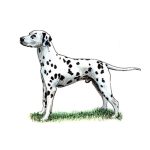
What Are the Traits and Care Requirements of a Dalmatian?
The Dalmatian stands out as a striking, athletic breed recognized around the world for its distinct spotted coat and vibrant personality. Suited for active families, individuals with an energetic lifestyle, and those with an appreciation for a truly distinctive companion, the Dalmatian thrives when given ample space and meaningful interaction. This breed appeals to people looking for a large, charismatic dog that does best with daily activity and a strong bond with its family.
Bred over centuries for roles including carriage dog, protector, and loyal friend, the Dalmatian fits comfortably into a variety of modern households. Its outgoing, friendly temperament and intelligence make it a lively addition to homes eager for participation and fun, while its history as a watchful and enduring breed ensures it can also provide a sense of security and devotion.
- Overview of the Dalmatian
- Key Characteristics
- Appearance of the Dalmatian
- Temperament & Behavior
- Care & Living Needs
- Health & Common Issues
- Official Breed Standard Summary
- Frequently Asked Questions
Group: Utility
Size: Large
Exercise needs: More than 2 hours per day
Coat length: Short
Grooming: Once a week
Shedding: Yes
Lifespan: Over 12 years
Ideal home type: Large house
Town or country: Either
Garden needs: Large garden
Overview of the Dalmatian
The origins of the Dalmatian have intrigued breed enthusiasts for centuries. Although its name suggests ties to the Dalmatian coastal region of the Balkans, definitive evidence for this is sparse. What is certain is that by the late eighteenth century, white-spotted dogs—similar in appearance and temperament to today’s Dalmatians—were already valued companions and diligent protectors. These dogs, once known as Talbot Hounds, regularly accompanied horse-drawn carriages, safeguarding both passengers and cargo during travels.
The Dalmatian’s role extended beyond mere transportation; in the Regency era, having a well-marked spotted dog by your side became a status symbol. Not just decorative, these dogs displayed impressive stamina, running alongside carriages for miles and standing guard over the stables at night. Later, they were seen darting ahead of horse-drawn fire engines, clearing the path for emergency vehicles—a testament to their intelligence and trainable nature. Today, the Dalmatian’s legacy as a working and companion dog lives on in its need for active engagement and meaningful tasks.
This breed is best suited for committed individuals or families with plenty of space and time to devote to their canine companion. Dalmatians thrive when their exercise and social needs are met, reflecting their history of purposeful work and loyal service.
Key Characteristics
- Energy level – Exceptionally high; needs substantial daily physical activity and mental stimulation.
- Trainability – Highly intelligent and responsive, benefits from patient, consistent training.
- Intelligence – Quick learners, able to pick up commands and routines rapidly.
- Prey drive – Moderate; curious but usually manageable with socialization.
- Social needs – Strong desire for companionship with both people and suitable canine friends.
- Compatibility with families and children – Generally very good; outgoing and affectionate with respectful handling.
- Compatibility with other dogs – Typically sociable, especially if introduced and socialized from a young age.
- Guarding or watchdog tendencies – Attentive and may alert owners to unfamiliar visitors, rooted in their traditional watchdog roles.
- Adaptability to city or country life – Versatile; can adapt to either setting provided their space and exercise needs are met.
- Best suited owner type – Active individuals, families with older children, or those experienced with large, energetic breeds.
- Typical daily routine – Includes long walks, play sessions, mental games, and relaxed time with family members.
Appearance of the Dalmatian
The Dalmatian is unmistakable with its symmetrical, athletic build and unique pattern of well-defined spots. This breed boasts a balanced, muscular frame that projects elegance without any hint of coarseness. Standing approximately 23 to 24 inches tall for males and 22 to 23 inches for females, Dalmatians display a slightly greater length from shoulder to buttock compared to their height, ensuring a look that is lean, capable, and poised for action.
The head is of fair length and sits atop a nicely arched, tapering neck. A flat skull, clean lines, and medium-sized oval eyes convey an intelligent, bright expression. Eyes are typically a dark brown in black-spotted Dalmatians and amber in liver-spotted ones, with matching pigmentation around the rims. The ears are set high, of moderate size, and taper to a rounded point, often featuring spots that are considered desirable for the breed.
The Dalmatian’s coat is short, dense, and has a sleek, glossy finish. It is always white at the base, adorned with either clearly defined black or liver-brown spots measuring two to three centimeters in size. These spots are well distributed, with smaller ones found on the extremities. Markings are never allowed to run together, and tricolor or lemon-spotted versions are not considered standard. The tail is strong at the base and gradually tapers, carried with a slight upward curve and ideally spotted as well.
Feet are compact, with arched toes and tough, elastic pads, lending the breed a cat-like grace. The body is deep and capacious, designed for stamina, and the limbs are straight and strong, supporting the breed’s renowned endurance and speed.
Temperament & Behavior
Dalmatians are known for their outgoing and friendly attitude. Their temperament is marked by self-assurance, a lack of shyness, and a readiness to engage actively in household activities. Free from nervousness or aggression, they are eager participants in family life, bringing both energy and playfulness to their environment.
This breed was originally developed as a carriage and utility dog, intended to display great endurance alongside humans while remaining composed and reliable. Those historical roles contribute to their natural affinity for sticking close to their people, watching over the home, and reacting with curiosity and alertness to new situations. The Dalmatian’s group includes a mix of breeds selected for unique functions, highlighting its adaptability and robust character.
At home, this dog bonds strongly and expects regular involvement in the household routine. Their playful manner makes them suitable for homes with children who can respect their size and energy. Early socialization is key, as Dalmatians generally enjoy the company of other dogs and appreciate structured guidance. Their protective streak, inherited from generations as guards and companions, makes them attentive watchdogs without being unnecessarily reactive.
For owners, the main challenge is matching the Dalmatian’s physical and mental drive. When under-stimulated, they may become restless or develop undesired habits. With attentive leadership and plenty of positive interaction, Dalmatians are devoted, dependable, and joyful members of any compatible household.
Care & Living Needs for the Dalmatian
Dalmatians have significant exercise needs, requiring well over two hours of daily activity to remain healthy and happy. This includes long walks, energetic play, and the freedom to run in safely enclosed gardens. A large home with a spacious garden is ideal, giving the breed ample room to move and explore. While they are adaptable to urban or rural living, apartments and small houses are rarely suitable unless the owner is highly committed to extensive outdoor activities every day.
Grooming requirements are moderate, with their short, dense coat needing only a weekly brushing to remove loose hairs and maintain its glossy appearance. Dalmatians shed year-round, so regular coat care helps keep both the dog and home comfortable. Their cleanliness and minimal grooming demand make them practical for busy owners, but their shedding means that those with allergies should consider this trait.
Mental stimulation is as important as physical exercise for this bright, energetic breed. Training sessions that challenge their intelligence, alongside interactive play and opportunities for social engagement, will help to prevent boredom. Early and ongoing education is important, as Dalmatians respond well to positive, consistent leadership.
This breed is not ideal for those with very limited time, highly sedentary lifestyles, or a preference for low-energy pets. People considering a Dalmatian should be ready for an active commitment and the rewards that come from engaging with such a lively and affectionate companion.
Health & Common Issues
While specific health issues are not detailed in the available information, Dalmatians are considered to be generally robust and benefit from a lifespan that typically extends beyond 12 years. Like all large, active breeds, regular veterinary checkups are essential to identify and manage any potential concerns early on. Maintaining a healthy weight through balanced diet and exercise supports joint and heart health, both vital for an energetic dog.
Routine attention to ears, teeth, and nails is a part of effective Dalmatian care. The breed’s athleticism and natural endurance make it resilient, but owners should watch for any signs of discomfort after intense activity and ensure rest and recuperation are part of the daily routine. Good coat care and hygiene also play a role in maintaining their overall well-being.
A proactive approach—including regular exercise appropriate to age and ability, consistent grooming, and prompt veterinary care—will help your Dalmatian thrive as a fit and happy member of the family.
Official Breed Standard Summary
The official Dalmatian breed standard describes a dog of ideal balance, strength, and activity, with clear guidance on appearance, movement, and temperament. Absolute soundness is emphasized as essential, with all features designed to ensure the dog is fit for function and free from exaggeration or undesirable conditions that could affect health and welfare.
Dalmatians are distinguished by their striking white coats, adorned with clearly defined black or liver-brown spots distributed evenly over the body. The breed standard specifies an athletic, symmetrical outline, with movement characterized as smooth, rhythmic, and efficient—qualities reflecting the dog’s historical use as a carriage and companion animal.
Dogs stand at 23–24 inches, while bitches are slightly smaller at 22–23 inches. While the standard offers size guidelines, it is noted that individual dogs may vary and not every animal will match these exact dimensions. Coat must be short, dense, and glossy, while eye color aligns with the spot color on the coat. Markings other than black or liver, as well as other faults, are considered deviations from the ideal.
Consideration is always given to the measure of each characteristic, with any exaggerations viewed in proportion to their effect on a dog’s well-being. The expectation is that all male animals should have two testicles fully descended. This strict attention to detail ensures the breed remains both healthy and true to its unique heritage.
Frequently Asked Questions about the Dalmatian
Is the Dalmatian good for first-time dog owners?
Dalmatians can make rewarding companions for first-time owners who are ready for a high-energy breed. Success rests on the owner’s commitment to consistent training, regular exercise, and ongoing socialization.
How much exercise does a Dalmatian need daily?
This breed requires more than two hours of physical activity per day. A combination of long walks, free play, and mental challenges helps keep a Dalmatian physically and mentally satisfied.
Is the Dalmatian good with children?
Dalmatians are generally friendly and outgoing, making them great playmates for children. Supervised interactions and respectful handling ensure a safe and positive relationship within the family.
Can the Dalmatian live in an apartment?
While adaptable, Dalmatians fare best in larger homes with ample garden space. Apartment living is possible only if owners are able to meet the breed’s high exercise demands every day.
How much grooming does a Dalmatian need?
Grooming needs are moderate. A weekly brushing keeps their short coat healthy and helps manage shedding, which occurs throughout the year.
Are there common health concerns in this breed?
The information available does not highlight specific health issues for Dalmatians. Responsible care, regular veterinary checks, and a balanced routine support the breed’s generally robust health.


