
What Are the Traits and Care Requirements of the Eurasier Breed?
The Eurasier is a balanced, medium-sized companion dog well-suited for families, couples, and individuals seeking a calm yet devoted canine friend. Bred to be a thoughtful blend of the best spitz-type traits, the Eurasier is happiest as part of a family, bonding deeply with its humans and thriving on inclusion in everyday life. This breed offers a rare mix: composed, adaptable, affectionate, and with a watchful yet reserved nature that avoids aggression.
Best for owners who appreciate a dog with moderate exercise needs and a manageable grooming routine, the Eurasier fits comfortably in most homes with a small to medium garden. Its adaptable nature makes it equally at home in town or country, provided it receives attention and regular companionship. With their even temperaments and eye-catching looks, Eurasiers have become beloved companions both in their native lands and among enthusiasts worldwide.
- Overview of the Eurasier
- Key Characteristics
- Appearance of the Eurasier
- Temperament & Behavior
- Care & Living Needs
- Health & Common Issues
- Official Breed Standard Summary
- Frequently Asked Questions
Group: Utility
Size: Medium
Exercise needs: Up to 1 hour per day
Coat length: Medium
Grooming: Once a week
Shedding: Yes
Lifespan: Over 10 years
Ideal home type: Small house
Town or country: Either
Garden needs: Small/ medium garden
Overview of the Eurasier
The Eurasier’s history is refreshingly recent compared to many dog breeds. In the 1950s, a German professor sought to create a truly balanced spitz dog, blending the sturdiness and unique personality traits of the Chow Chow and German Wolfspitz. The result of this careful breeding program arrived in 1960 with the first “Wolf-Chows.” Over the ensuing years, the Samoyed was added to the mix to further refine both temperament and type, ultimately stabilizing the breed’s distinct characteristics. The Eurasier’s name reflects its European and Asian spitz origins—two continents brought together in one friendly and appealing package.
Originally bred with the intention of achieving the “perfect” companion dog that brought together the best spitz qualities without the extremes, the Eurasier has flourished as a devoted family companion, especially in its native country. These dogs are not just beautiful; their even temperament and adaptability have made them favorites with owners looking for loyalty, sensitivity, and suitability for modern living. Their well-balanced disposition means they are often as content in a bustling household as they are with a single devoted companion.
Eurasiers are especially suited for owners who value a calm, undemanding canine companion that still relishes daily walks and family involvement. Their adaptability to various living environments and moderate exercise needs make them practical choices for both urban and suburban homes, so long as owners recognize and honor their need for closeness and thoughtful handling.
Key Characteristics
- Energy level – Moderate, happy with daily walks and some play but not overly demanding.
- Trainability – Intelligent and responsive, but sometimes independent; thrives with positive reinforcement and patience.
- Intelligence – Quick to learn and able to pick up on household routines and commands.
- Prey drive – Typically low to moderate; not generally known for a strong urge to chase, but early socialization is always helpful.
- Social needs – Bonds deeply with family; needs regular companionship and dislikes prolonged isolation.
- Compatibility with families and children – Excellent with considerate children, making them suitable family pets.
- Compatibility with other dogs – Usually sociable with other dogs if properly introduced.
- Guarding or watchdog tendencies – Reserved with strangers but not aggressive; can make a discreet watchdog due to their alertness.
- Adaptability to city or country life – Equally at home in urban or rural settings given a small house and a garden.
- Best suited owner type – Ideal for singles, couples, or families who want a gentle, moderately active companion.
- Typical daily routine – Enjoys structured walks, quiet time with the family, and periodic grooming sessions.
Appearance of the Eurasier
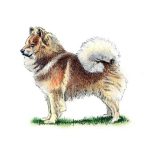
The Eurasier is distinguished by its balanced, spitz-type outline and medium stature. The body is solid and slightly longer than it is tall, giving the dog a well-proportioned silhouette with a firm, level back and broad, strong croup. Males and females vary slightly in size, with males standing between 20½ to 23½ inches at the withers and weighing around 51 to 70½ pounds; females are a bit smaller, typically standing 19 to 22 inches and weighing 40 to 57 pounds.
The Eurasier’s head is wedge-shaped when viewed from above or the side, with a flat skull, clearly defined occiput, and only a subtle stop. The muzzle tapers but never appears coarse or overly pointed. Dark, oval, slightly oblique eyes paired with medium-sized, triangular ears that stand upright give the breed a striking, alert expression. The nose is always black, matching the black-pigmented eye rims and lips.
The breed’s coat is a key feature: a harsh, medium-length topcoat loosely covers a dense undercoat. The hair is shorter on the face, muzzle, and front of the legs but becomes more profuse—almost forming a slight ruff—around the neck, on the tail, and backs of legs. The Eurasier’s coat comes in a wide range of colors, including black, fawn, grey, red, sable, and various combinations, with the only exclusions being white patches on the body, pure white, liver, or merle patterns.
Feet are oval and compact with well-cushioned pads and the tail is set high, carried either curled over the back or to one side—classic hallmarks of the breed’s spitz heritage. Muscle tone is evident throughout, contributing to an overall appearance of quiet strength and elegance.
Temperament & Behavior
Within the home, the Eurasier is self-assured, calm, and possesses an exceptionally even temperament. The breed is known for bonding very closely with its family members, often forming a deep attachment and consistently seeking involvement in family activities. While Eurasiers are not clingy or attention-seeking, they do best when treated as integral members of the household, participating in both quiet time and play.
Towards unfamiliar people, the Eurasier is typically reserved, observing without alarm and never displaying aggression. This characteristic, combined with their innate watchfulness, means they often excel as watchdogs, subtly alerting their owners to the presence of newcomers without excessive barking or reactive behavior. Their calm nature can help ease introductions to guests or other pets when managed sensibly.
The Eurasier’s sensitivity makes them particularly responsive to gentle, consistent training and peaceful home environments. Heavy-handed handling or extended isolation can cause them to withdraw. With other pets, especially when introduced early, most Eurasiers are accepting and sociable. Their gentle personality and patience translate well in homes with children, provided the children understand and respect canine boundaries.
The breed belongs to the varied Utility group, a collection of dogs historically bred for a diverse range of “useful” purposes outside of traditional hunting or herding. The Eurasier’s function today is principally as a companion, bringing the reliability and devotion of ancient spitz types into the modern family setting.
Care & Living Needs for the Eurasier
Eurasiers are not overly demanding when it comes to exercise, generally thriving on up to an hour of daily walks, play sessions, and some mental stimulation. Their moderate energy level means they are content to relax at home after activity, but they do appreciate routine and benefit from regular, varied outings. Physical exercise helps maintain both their physique and mental well-being.
The Eurasier fits best in a small house with a small or medium garden and adapts well to both urban and rural environments. While they can adjust to apartment living if given frequent outdoor time and attention, their preference is for a home where they have easy access to secure outdoor space. The breed does not have a high wanderlust drive, but a safe, fenced area is always advisable for free play.
Grooming requirements are moderate but manageable for most owners. A thorough brush once a week keeps the coat looking healthy and reduces shedding, although during seasonal molts, more frequent grooming may be needed to stay ahead of loose undercoat. The harsh, medium-length coat does shed, so expect some hair around the house, particularly during high-shedding periods. Ears and nails should be checked and maintained regularly as part of a healthy grooming routine.
Mental stimulation is as important as physical activity for this bright, thoughtful breed. Interactive games, confidence-building exercises, and positive reinforcement training sessions keep the Eurasier content and engaged. These dogs respond best to reward-based methods—patience and kindness will yield far better results than stern corrections or repetitive drills.
The Eurasier is not ideal for those rarely at home or people seeking a low-shedding, “hands-off” breed. Their loyalty and desire for companionship make them happiest with owners who appreciate consistent involvement and shared routines. People new to dogs may find their independent streak challenging at times, but dedicated, gentle owners will be rewarded with a devoted friend.
Health & Common Issues
The Eurasier benefits from a solid foundation as a purposefully bred companion, although as with all breeds, responsible care is essential to promote long-term vitality. There are no specific health warnings or major breed-specific issues documented in the reference data. As a medium-sized breed, maintaining a balanced diet and ensuring regular, moderate exercise can help prevent weight-related strain on joints and maintain overall health.
Eurasiers have thick coats that should be checked regularly for tangles, debris, or parasites, especially after outdoor activity. Routine ear cleaning and dental care—such as regular tooth brushing and appropriate chews—are part of a sensible care plan for any spitz-type breed.
Regular veterinary checkups are key to keeping Eurasiers in optimal health throughout their lives. Owners should keep up to date with core vaccinations, discuss routine screening, and consult their vet for any behavioral or physical changes, as catching minor issues early often leads to easier management. With attentive care, most Eurasiers enjoy lifespans exceeding ten years.
Official Breed Standard Summary
The official breed standard for the Eurasier sets forth guidelines for ideal structure, personality, and overall fitness. The breed is meant to be balanced, free of exaggeration, and always sound in both body and mind. General appearance calls for medium size with a strong, slightly longer-than-tall frame, well sprung ribs, and a firm back, all combining to create a quietly powerful and elegant silhouette.
Movement should be efficient and straight, with moderate stride length evident during typical gait. The Eurasier’s coat is defined as a harsh, medium-length outer layer over a dense undercoat, with noticeably more feathering on the tail and legs. Acceptable colors include a broad spectrum—black, fawn, grey, red, sable, among others—with specific exclusions for pure white, liver, or merle, and white body patches. Eyes must always be dark and oval, ears upright and triangular, and the tail high-set, curling over the back when alert.
Size guidelines note males ideally stand 22 inches tall and weigh about 57 pounds, while females average 20½ inches and 48½ pounds. While these measures serve as points of reference for mature dogs, slight deviation in height or weight does not disqualify pets, as health and soundness remain top priorities. The breed standard also specifies strong, healthy dentition and physical completeness for breeding animals.
Any deviation from these requirements is considered a fault, especially if it might impact the dog’s welfare or physical capability. Prospective owners should remember that these standards are guides for breed preservation and health, not rigid rules for family pets.
Frequently Asked Questions about the Eurasier
Is the Eurasier good for first-time dog owners?
The Eurasier is a gentle and adaptable breed, but its sensitivity and occasional independence mean first-time owners should be prepared to invest time in positive reinforcement training and research into spitz-type behaviors. With commitment, it makes a rewarding companion.
How much exercise does a Eurasier need daily?
A Eurasier typically thrives on up to one hour of daily exercise, which can include walks, gentle play, and interactive activities. This level suits most households looking for an active dog that is not overly demanding.
Is the Eurasier good with children?
Yes, the Eurasier is well regarded as a family companion and is typically patient and gentle with children, particularly if socialized from a young age. Proper supervision and respectful handling always ensure the best relationship.
Can the Eurasier live in an apartment?
While the breed prefers a small house with a garden, a Eurasier can adapt to apartment life if given regular outdoor exercise and plenty of human interaction. Owners should be prepared to take the dog out frequently and provide ample mental stimulation.
How much grooming does a Eurasier need?
The Eurasier requires weekly brushing to keep its coat healthy and reduce shedding. During seasonal shedding periods, more frequent grooming may be needed, but the coat is manageable compared to many other long-haired breeds.
Are there common health concerns in this breed?
There are no specific health warnings recorded for the Eurasier in the reference information. Sensible care including routine veterinary visits, a balanced diet, and regular exercise supports a long and healthy life.


