
German Shorthaired Pointer – Breed Information, Traits & Complete Guide
The German Shorthaired Pointer is a versatile and energetic dog that has earned its place as both a beloved family companion and a hardworking sporting partner. This breed is ideal for individuals or families who enjoy an active lifestyle and are looking for a devoted dog to join them on outdoor adventures. With its keen intelligence and loyal demeanor, the German Shorthaired Pointer is best suited to those who can provide plenty of time, attention, and stimulating activities.

Known for its combination of athleticism and affectionate nature, the German Shorthaired Pointer thrives in roles ranging from agile field worker to gentle household companion. Its adaptability allows it to excel both as a gundog and as a faithful pet, seamlessly integrating into homes with ample space and active family routines.
- Overview of the German Shorthaired Pointer
- Key Characteristics
- Appearance of the German Shorthaired Pointer
- Temperament & Behavior
- Care & Living Needs
- Health & Common Issues
- Official Breed Standard Summary
- Frequently Asked Questions
Group: Gundog
Size: Large
Exercise needs: More than 2 hours per day
Coat length: Short
Grooming: Once a week
Shedding: Yes
Lifespan: Over 10 years
Ideal home type: Large house
Town or country: Country
Garden needs: Large garden
Overview of the German Shorthaired Pointer
The German Shorthaired Pointer originated from a blend of skilled hunting breeds, including the Spanish Pointer, German bird dogs, and an infusion of English Pointer bloodlines to add speed. This mix of genes created a true all-rounder—an athletic dog with a keen nose and plenty of stamina, suited for both pointing game and retrieving it softly. The breed was developed with the aim of excelling in a variety of field tasks and remains one of the most popular Hunt, Point, and Retrieve (HPR) dogs in the world.
Owners appreciate the German Shorthaired Pointer for its balance of intelligence, energy, and adaptable nature. These qualities make it a loyal partner for hunters, sport participants, and active families alike. The breed’s conformation—sturdy, well-muscled, with an efficient coat—makes it as effective on land as it is in water, reinforcing its reputation as a consummate sporting companion.
The German Shorthaired Pointer is not only a working dog but also a loyal family member. Its affectionate and gentle demeanor makes it suitable for homes where it can interact with all household members, especially those who can meet its high activity and mental stimulation needs. A home in the country with a large, secure garden is the most suitable environment for this dynamic breed.
Key Characteristics
- Energy level – Exceptionally high; thrives on plenty of vigorous activity and outdoor play every day.
- Trainability – Responds well to consistent, positive training methods and is eager to learn.
- Intelligence – Demonstrates considerable problem-solving ability and a quick mind, essential for field work.
- Prey drive – Strong, with an instinct to chase and point; supervision is needed around small animals.
- Social needs – Craves companionship and prefers to be integrated into family life rather than left alone.
- Compatibility with families and children – Known for being gentle and affectionate with kids when properly socialized.
- Compatibility with other dogs – Generally good, especially if introduced early, though can be excitable.
- Guarding or watchdog tendencies – More likely to alert to visitors than act as a guard dog; not aggressive.
- Adaptability to city or country life – Best suited to country or suburban living with space for exercise; urban living is challenging unless exercise needs are met.
- Best suited owner type – Active individuals or families committed to daily exercise and ongoing training.
- Typical daily routine – Requires several walks, opportunities for off-leash running in safe areas, and interactive playtime.
Appearance of the German Shorthaired Pointer
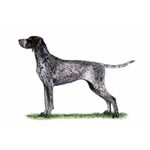
The German Shorthaired Pointer presents a balanced and noble silhouette. Medium to large in size, this breed should exude power, grace, and athleticism. Its short, taut back stands over a ground-covering frame, giving it both speed and endurance. Ample muscle, clean lines, and efficient movement define the breed’s look, while the well-carried tail and clean-cut head contribute to its alert, energetic presence. Males stand between about 23 and 25 inches at the shoulder, while females are slightly smaller, between 21 and 23 inches.
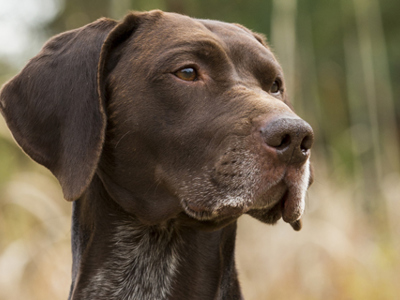
The head is well-proportioned to the body, never appearing too heavy or too light. A moderately broad and rounded skull leads to a gently rising nasal bone, lacking a pronounced stop. The strong jaws and well-developed lips allow the breed to carry game securely. Medium-sized, soft, and intelligent eyes in various brown shades give the German Shorthaired Pointer a keen and kind expression. The ears are broad, set high, lie close to the head, and reach almost to the corner of the mouth when brought forward.
The Pointer’s body is deep-chested rather than wide, giving it both capacity and freedom of movement needed for fieldwork. The ribs are well sprung, and the short, firm back supports an athletic build. Its strong, muscular hindquarters allow for powerful propulsion, while the broad, well-muscled thighs support speed and endurance. The feet are compact, round to spoon-shaped, and well-padded, supporting efficient movement across varied terrain. The tail, whether docked or left natural, is strong at the root and tapers, typically carried just below the line of the back during motion.
The coat is short, flat, and somewhat coarse to the touch, with slight length under the tail. Acceptable colors include various combinations of liver and white or black and white, often with spotting or ticking. Tricolor is not allowed, and colors outside these combinations are not recognized for the breed. This striking appearance, paired with functional design, underlines the breed’s role as both a field specialist and admired companion.
Temperament & Behavior
Known for being gentle, affectionate, and even-tempered, the German Shorthaired Pointer forms close bonds with its family. These dogs are very loyal and aim to please, responding well to training and clear communication. Alert and biddable, their keen working background translates into an active, involved presence in the home, always ready for a task or a cuddle.
As members of the Gundog group, German Shorthaired Pointers have retained the classic qualities desired in all-round family dogs. Their steady character makes them excellent companions for children, provided energetic play is supervised and positive socialization occurs from a young age. Their perseverance and initiative, honed through generations of hunting work, mean they are happiest when their minds and bodies are engaged.
Interaction with other dogs is generally positive, though their lively personalities can overwhelm more placid companions. The breed’s hunting heritage does give it a strong prey drive, requiring awareness around small pets. Though not instinctively inclined toward guarding, they will readily alert their owners to anything unusual, making them reliable family watchdogs.
Potential owners should understand that a German Shorthaired Pointer left alone or unexercised can develop undesirable behaviors due to boredom or frustration. This is a breed that truly thrives within an environment that values both companionship and an active routine.
Care & Living Needs for the German Shorthaired Pointer
For the German Shorthaired Pointer, exercise is a non-negotiable daily requirement. These energetic dogs need at least two hours of robust activity each day, involving off-lead sprints, interactive games, and mental challenges. Without adequate exercise, they may become restless or develop destructive habits, so they’re best matched to owners who love spending time outdoors.
The ideal living environment is a large house in the countryside with a secure, ample garden. The breed is simply not suited for apartments or small urban homes unless extremely high exercise and stimulation needs are met. Secure fencing is a must, as their strong prey drives and athleticism can tempt explorations.
Grooming is straightforward, requiring a thorough brushing once a week to remove loose hair and keep the short, flat coat in good condition. Expect seasonal shedding and plan for quick wipe-downs after field excursions to remove dirt and debris. With their hardy coats, these dogs tolerate tough weather but should not live outdoors permanently.
Mental stimulation is just as important as physical activity. Training sessions, scent work, and varied games are essential to prevent boredom. Consistent, patient training with positive reinforcement is most effective. The breed is not ideal for people who prefer a sedentary lifestyle or want a low-maintenance companion; prospective owners should be prepared for a significant commitment of time and energy.
Health & Common Issues
The dataset does not indicate specific health issues as predominant in the German Shorthaired Pointer. As with any breed, owners should prioritize routine veterinary care, maintain a balanced diet, and ensure their dog has regular opportunities for exercise and mental enrichment.
Proper dental care and weight management contribute to the breed’s well-being and help promote a healthy lifespan, which often exceeds ten years. Regular checks for any abnormalities in skin, coat, eyes, or movement are also good practice, supporting early identification of concerns and prompt professional advice if needed.
The breed’s athletic build and energetic habits generally support overall wellness, but responsible ownership remains essential for lifelong health and happiness.
Official Breed Standard Summary
The official breed standard sets out the desired attributes in the German Shorthaired Pointer, describing ideal form, function, and temperament. A sound, well-coordinated mover, this breed gives an impression of power, endurance, and alertness. Smooth, lithe movement and well-developed musculature are essential for fulfilling its traditional working roles.
Appearance-wise, males and females are defined as medium to large, with heights ranging from 21 to 25 inches, and present an athletic, functional outline. The preferred coat is short, flat, and coarse in texture, with acceptable colors including liver and white or black and white—with markings such as ticking or spotting. Tricolor and any unrecognized color are not acceptable.
The breed standard places importance on features that support the dog’s working ability, such as correct bone structure, muscle development, and appropriate head shape. Any trait that might compromise health or performance should be considered a fault. Male dogs should also have two normally descended testicles.
Prospective puppy buyers are reminded that the breed standard describes the ideal and that individual dogs may fall outside the precise measurements indicated. Movement, balance, and overall health take precedence over strict adherence to numbers.
Frequently Asked Questions about the German Shorthaired Pointer
Is the German Shorthaired Pointer good for first-time dog owners?
While their intelligence and affectionate nature make them appealing, these dogs require significant exercise and mental stimulation. First-time owners who are very active and willing to invest in training can find them rewarding companions.
How much exercise does a German Shorthaired Pointer need daily?
This breed thrives on more than two hours of vigorous exercise each day, including running, fetching, and mentally stimulating activities. They are not suited to sedentary lifestyles.
Is the German Shorthaired Pointer good with children?
German Shorthaired Pointers are typically gentle and affectionate with children, especially when socialized early. Their playful and loyal nature makes them fitting for family settings with proper supervision.
Can the German Shorthaired Pointer live in an apartment?
These dogs are best suited to spacious homes with large gardens in rural or suburban areas. Apartment living usually does not meet their high exercise needs unless their activity requirements are rigorously fulfilled.
How much grooming does a German Shorthaired Pointer need?
Grooming is relatively simple, with brushing recommended about once a week to control shedding and keep the coat healthy. Occasional baths and routine checks for debris after outdoor activity are advised.
Are there common health concerns in this breed?
No specific health concerns are noted in the provided information. Regular veterinary care, exercise, and weight management support a healthy and long life for the German Shorthaired Pointer.


