
German Longhaired Pointer – Breed Information, Traits & Complete Guide
The German Longhaired Pointer is a remarkable choice for individuals and families who lead active, outdoor-focused lives and appreciate sharing their days with a loyal, versatile companion. Known for its graceful athleticism, the breed is well-suited to experienced dog owners who can provide plenty of physical and mental engagement. Its devoted nature, combined with keen hunting instincts, makes it a favorite among those seeking both an affectionate family member and a skilled working partner.
This large gundog combines elegant good looks with practical ability in the field and at home. The German Longhaired Pointer may not be found in every neighborhood, but its calm temperament, willingness to please, and strong bond with its people mark it as a standout among all-rounder breeds. Whether working alongside handlers or spending time with family, this breed thrives on companionship and purpose.
- Overview of the German Longhaired Pointer
- Key Characteristics
- Appearance of the German Longhaired Pointer
- Temperament & Behavior
- Care & Living Needs
- Health & Common Issues
- Official Breed Standard Summary
- Frequently Asked Questions
Group: Gundog
Size: Large
Exercise needs: More than 2 hours per day
Coat length: Medium
Grooming: More than once a week
Shedding: Yes
Lifespan: Over 10 years
Ideal home type: Large house
Town or country: Country
Garden needs: Large garden
Overview of the German Longhaired Pointer
Originating from Germany, the German Longhaired Pointer is recognized as the least numerous among German pointing breeds. This breed’s unique coat and versatile working abilities can be traced back to influences from Setters and Spaniels in their ancestry. While it tends to be less common in show rings compared to its relatives, the German Longhaired Pointer stands out for its skill as a working gundog, excelling in both pointing and retrieving game.
Bred for utility and elegance, this dog was developed to cover all aspects of fieldwork—both on land and in water. Owners appreciate their determination and keen noses during hunts, but the breed is equally appreciated as a devoted companion away from the field. Their active, lively spirit makes them ideal for those who want a dog that relishes both time outdoors and family moments at home.
Best suited for rural environments where they can stretch their legs and put their instincts to good use, the German Longhaired Pointer thrives in homes where there is space to roam. Lovers of the outdoors who enjoy long hikes, field sports, or countryside living will find this breed an excellent match.
Key Characteristics
- Energy level – Exceptionally high; requires considerable exercise and outdoor activity daily.
- Trainability – Intelligent and biddable, generally eager to please and quick to learn.
- Intelligence – Demonstrates advanced problem-solving abilities and adaptability.
- Prey drive – Strong hunting instincts, with a keen nose and determination in the field.
- Social needs – Enjoys regular companionship and thrives in interactive households.
- Compatibility with families and children – Known for even temper and calmness, resulting in a patient family pet when properly socialized.
- Compatibility with other dogs – Usually sociable with other dogs, particularly if raised together.
- Guarding or watchdog tendencies – More likely to alert than to guard, tending toward friendliness over aggression.
- Adaptability to city or country life – Best suited for country living with ample space and access to the outdoors; not ideal for apartments.
- Best suited owner type – Active, outdoorsy individuals or families who can provide plenty of exercise and mental stimulation.
- Typical daily routine – Benefits from multiple long walks, interactive play, and training sessions each day.
Appearance of the German Longhaired Pointer
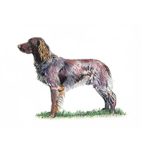
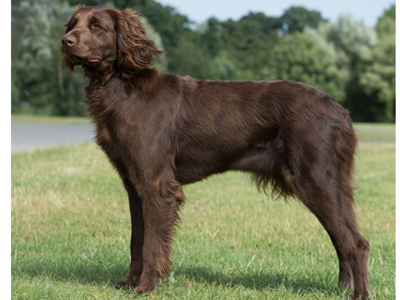
The German Longhaired Pointer presents an athletic and noble figure. This medium-to-large dog has a powerful yet elegant build, giving the impression of energy and balance. Males typically stand between 24 to 28 inches at the withers (ideal height around 25–26 inches), while females are slightly smaller, usually 23–26 inches tall. Adult weight is approximately 66 pounds, giving the breed both substance and agility.
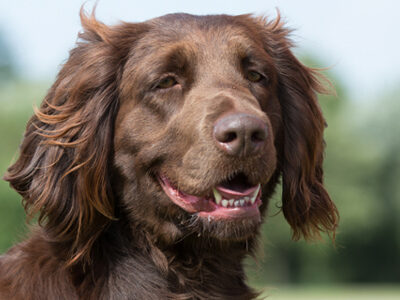
This breed’s head is aristocratic in profile, with the muzzle and skull of equal length. The top of the head is gently rounded, the nasal bone slightly arched, and the jaws strong, giving a well-chiseled look beneath the eyes. Brown oval-shaped eyes project calmness and alertness, framed by broad, well-feathered ears set high and close to the head. The ears feature long hair, with wavy feathering extending beyond the tip of the nose.
The German Longhaired Pointer’s coat is a hallmark feature—medium in length (about 1–2 inches on the body), sleek, close fitting, and with a good undercoat. It may be smooth or slightly wavy, with additional feathering on the chest, stomach, back of the legs, and tail. Accepted colors include solid brown, brown with white or speckled markings, various roan patterns with brown patches, and brown and white combinations. The head is always brown in all color variants, with minor white markings permissible except in solid brown.
Overall, the body is muscular with a well-developed chest, straight back, pronounced loins, and robust hindquarters. The tail is moderately long, well feathered, and scimitar-shaped, carried horizontally or just below the topline. Feet are compact and oval, with strong nails and dense tufts of hair between the toes, suitable for working across varied terrain.
Temperament & Behavior
The German Longhaired Pointer is prized for a calm and even temperament, striking a balance between energetic pursuit and relaxed companionship. Around the home, they are notably loyal, affectionate, and eager to be involved in family activities. Their biddable nature means they are responsive to training and human direction.
As a dual-purpose gundog, this breed retains a strong drive to hunt, retrieve, and work in partnership with people. This determination transfers to play and daily routines, where mental challenges and opportunities for stimulation are appreciated. They are alert, yet gentle, usually getting along well with children when introduced early and raised with positive experiences.
Within the group of gundogs, the German Longhaired Pointer displays the sociable, people-oriented attitude prized in family companions. They can do well with other dogs, particularly those with similar activity levels or when socialized from a young age. While not natural watchdogs, they tend to be attentive and will often alert their owners to newcomers without being aggressive.
Owners should note that their intelligent, high-spirited nature can lead to restlessness or unwanted behaviors if under-exercised or left alone for long periods. Structure, clear communication, and active engagement prevent boredom and bring out the best aspects of their personality.
Care & Living Needs for the German Longhaired Pointer
Daily activity is crucial for the German Longhaired Pointer. The breed needs more than two hours of vigorous exercise every day, making it vital for owners to commit to long walks, runs, or interactive play in spacious areas. This breed is not suitable for apartment living or small homes; instead, it thrives in large houses with direct access to a secure, sizable garden or countryside space.
The coat requires grooming more than once a week to keep it in good condition and to manage regular shedding. The medium-length, close-fitting hair should be brushed regularly to prevent mats, especially in the well-feathered areas around the legs, tail, and chest. Grooming also helps manage the modest shedding that occurs throughout the year.
Because of their intelligence and working heritage, mental stimulation is as important as physical exercise. Training sessions that incorporate problem-solving, obedience, and fieldwork keep the German Longhaired Pointer happy and well-mannered. Consistent routines, early socialization, and positive reinforcement support their eager-to-learn personality.
This breed does best with people who enjoy an active lifestyle and can involve their dog in daily outdoor activities. Individuals with limited mobility, those who live in urban apartments, or those seeking a lower-energy companion may find the German Longhaired Pointer overly demanding for their circumstances.
Health & Common Issues
The dataset does not specify particular health issues for the German Longhaired Pointer, which often suggests the breed does not have well-known, widespread hereditary concerns. Nevertheless, responsible ownership includes regular veterinary checkups to monitor general health, teeth, ears, nails, and weight.
Providing the right balance of diet and exercise ensures your German Longhaired Pointer maintains joint and muscle condition suitable for their active lifestyle. Attention to their feathered ears and dense coat—areas where dirt and moisture can become trapped—is recommended during routine grooming.
While there are no notable, breed-specific health problems referenced, preventive care, timely vaccinations, and attention to weight and mobility remain important throughout the dog’s life. Long-lived and generally robust, this breed responds well to a lifestyle that respects its need for exercise and close companionship.
Official Breed Standard Summary
The official breed standard defines the German Longhaired Pointer as a powerfully built yet elegant dog, embodying energy and well-balanced proportions. The ideal example is slightly longer than tall, with athletic musculature and a noble demeanor. Eyes should always be as dark as possible, and the breed’s aristocratic head, feathered ears, and strong neck contribute to its distinguished presence.
Coat quality is a defining feature, described as medium in length and close fitting, with a good undercoat and sleek, smooth, or gently wavy body hair. Feathering is important on the ears, tail, legs, and chest, giving the breed its characteristic flowing outline. Acceptable colors cover rich browns, brown and white patterns, and various roan combinations, with the head always brown in any color pattern. The breed’s weight typically hovers around 66 pounds.
Movement should be free and stylish, combining graceful reach with strong drive from the hindquarters. Faults are evaluated on their effect on health, welfare, and the dog’s ability to perform traditional work. The standard states that male dogs should have two apparently normal testicles fully descended into the scrotum.
It’s important to remember that breed standards act as guidelines; actual dogs might vary in size from the listed measurements. Absolute soundness is crucial, and obvious exaggerations or conditions detrimental to the dog’s welfare are discouraged by the standard’s recommendations.
Frequently Asked Questions about the German Longhaired Pointer
Is the German Longhaired Pointer good for first-time dog owners?
While known for their trainability and balanced temperament, this breed’s high energy and need for daily activity may overwhelm those new to dog ownership. Individuals with previous dog experience or those fully committed to training and exercise will find the breed a more suitable match.
How much exercise does a German Longhaired Pointer need daily?
This breed requires more than two hours of vigorous exercise every day. Activities should include running, interactive play, and opportunities to use their natural hunting instincts in a safe, controlled environment.
Is the German Longhaired Pointer good with children?
Known for a calm and even temperament, the breed usually does well with children, especially when properly socialized from a young age. Supervision and teaching children how to interact respectfully with dogs are important for harmony at home.
Can the German Longhaired Pointer live in an apartment?
The German Longhaired Pointer is not well-suited for apartment living or small homes. Space to roam and frequent access to the outdoors are essential for their health and happiness.
How much grooming does a German Longhaired Pointer need?
Regular grooming is important—a thorough brushing more than once a week keeps their medium-length, feathered coat clean and minimizes shedding. Pay special attention to feathered areas that may develop tangles.
Are there common health concerns in this breed?
There are no widely reported, breed-specific health concerns for the German Longhaired Pointer. Basic preventive care, including regular veterinary visits and attentive grooming, helps maintain lifelong health.


