

Portuguese Pointer – Breed Information, Traits & Complete Guide
The Portuguese Pointer is a medium-sized gundog that brings together an impressive heritage of fieldwork and companionship. For those seeking an active, affectionate dog suited to a busy lifestyle with lots of opportunity for exercise and mental engagement, this breed offers an appealing balance of drive and warmth. Its sociable and gentle nature makes it particularly attractive for owners looking for a loyal family member who is always eager to participate in daily life, indoors and out.

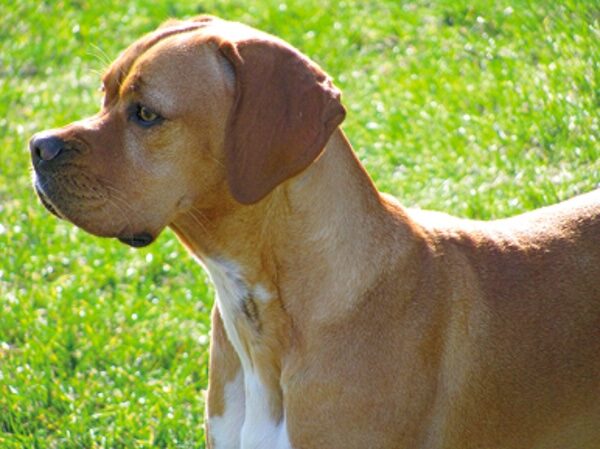
Historically developed for hunting and pointing, this breed is known for intelligence, resilience, and close bonds with humans. Its temperament adapts well to life as a working dog or a sporting partner, yet its kind disposition also suits family homes where interaction and activity are part of the routine. For households able to provide space, plenty of stimulation, and active involvement, the Portuguese Pointer stands out as a well-rounded and rewarding companion.
- Overview of the Portuguese Pointer
- Key Characteristics
- Appearance of the Portuguese Pointer
- Temperament & Behavior
- Care & Living Needs
- Health & Common Issues
- Official Breed Standard Summary
- Frequently Asked Questions
Group: Gundog
Size: Medium
Exercise needs: Up to 1 hour per day
Coat length: Short
Grooming: Once a week
Shedding: Yes
Lifespan: Over 10 years
Ideal home type: Large house
Town or country: Either
Garden needs: Large garden
Overview of the Portuguese Pointer
The Portuguese Pointer traces its roots to ancient hunting traditions, being one of the smaller but sturdier pointing breeds. Its strong build and keen senses were once invaluable in collaboration with hunters and even hawks, the dog freezing on point to indicate game before a bird of prey was released to capture the quarry. This sporting legacy has shaped a dog with great endurance and enthusiasm for outdoor pursuits.
While the breed shares some ancestry with the Spanish Pointer, the Portuguese Pointer has developed its own distinct style and appearance, with noticeable bone structure and a broader head. This rich heritage makes the dog not just a dedicated field companion but also a well-balanced home dog, particularly for families and individuals who appreciate its strong work ethic, sociability, and affectionate demeanor.
Owners who thrive with the Portuguese Pointer are typically active, providing daily exercise and space for the dog to roam. The breed’s persistence and keenness make it a match for those with a love of the outdoors, while its friendly temperament ensures it will eagerly take part in family life and social occasions.
Key Characteristics
- Energy level – High drive with consistent enthusiasm, requiring daily outlets for activity.
- Trainability – Learns quickly with positive reinforcement and enjoys working closely with its handler.
- Intelligence – Displays sharp problem-solving skills and the ability to adapt to new tasks.
- Prey drive – Strong instinct to point and indicate game, typical of a traditional hunt/point/retrieve breed.
- Social needs – Very sociable and thrives on regular human interaction; happiest when involved in group activities.
- Compatibility with families and children – Kind temperament makes it suitable for family settings, including homes with children.
- Compatibility with other dogs – Generally gets along well with other dogs, especially when socialized early.
- Guarding or watchdog tendencies – Not primarily oriented toward guarding, instead displaying a gentle and approachable nature.
- Adaptability to city or country life – Flexible in living environment, but large spaces and gardens are ideal to support activity needs.
- Best suited owner type – Active individuals or families who can dedicate time to exercise, training, and social activities.
- Typical daily routine – Involves walks or runs, mental stimulation, affectionate downtime, and interactive play.
Appearance of the Portuguese Pointer
The Portuguese Pointer presents as a well-proportioned, medium-sized dog with an almost square outline. It exudes strength without being coarse, demonstrating well-developed bone and muscle. This breed gives the impression of an agile, stylish hunter, equally ready for work in the field or an energetic romp in the garden.
The head is broad and set in harmony with the body, featuring a square muzzle, well-filled cheeks, and a clearly defined stop. The eyes are round to oval, full and expressive, with a deep brown color often darker than the coat. Ears are triangular, set high, and lie flat against the skull with rounded tips, adding to the breed’s attentive expression.
The body of the Portuguese Pointer is compact and muscular, with gently sloping toplines and a robust chest that reaches to the elbow. The back is short and broad, with well-muscled loins, and the rib cage is sprung to give both strength and flexibility. The legs are long and straight, designed for endurance, and the feet are strong and slightly oval with well-padded black pads and preferably black nails.
The tail sits in line with the croup, thick at the base and gradually tapering, usually hanging naturally at rest but becoming active and level with the back during movement. The dog’s short coat is dense and comes in shades of yellow—light, medium, or dark—and may feature white patches on the head, neck, chest, legs, or tail tip. Males typically range from 54–58 cm in height, while females are slightly smaller at 50–54 cm; weights correspondingly vary from 20–27 kg for males and 16–22 kg for females.
Temperament & Behavior
The Portuguese Pointer is renowned for its kind, affectionate, and calm nature, making it an excellent partner both in the field and at home. The breed thrives on social interaction and forms strong bonds with its family, displaying warmth and a desire to be involved in everything from playtime to restful evenings.
This breed was developed as a hunt-point-retrieve gundog, which shines through in its persistent enthusiasm for activity and close working relationship with its handler. The Portuguese Pointer maintains constant contact during outdoor pursuits, underscoring its loyalty and willingness to please. Its history as a team player also means it adapts well to family life, where affection and participation are valued.
The dog’s sociable disposition and gentle temperament extend to visitors and other animals, given proper socialization. While not known for guarding instincts, their alertness and expressive nature mean they are responsive to their environment and quick to connect with people. Owners can expect a cheerful and engaging companion, well-suited to an active household.
The breed’s persistent, hardy nature ensures they remain enthusiastic in many situations, but this same trait requires guidance and positive reinforcement to help channel their energy productively. The Portuguese Pointer is ideally matched to families or owners who appreciate a dog that is lively, adaptable, and ever-present in daily life.
Care & Living Needs for the Portuguese Pointer
The Portuguese Pointer should have a daily exercise routine, ideally up to one hour per day, which may include brisk walks, running, or play in a large garden. Being a breed with high stamina and a working background, it is important for owners to provide ample activity to meet their physical and mental needs.
This dog flourishes in homes with plenty of space, such as a large house with access to a similarly sized garden. Although it can adjust to life in either town or rural settings, the need for space and freedom to move makes it most at home where it can stretch its legs and indulge its natural hunting instincts in a controlled way.
Grooming is straightforward for the Portuguese Pointer thanks to its short, dense coat. Brushing once a week is usually sufficient to keep shedding under control and to maintain coat health. While the breed does shed, regular grooming can help minimize hair around the home. Coat colors vary from light to dark yellow, sometimes with white accents, all easy to keep clean and tidy with minimal effort.
Given its intelligence and eagerness to please, the breed responds well to training that is engaging and rewards-based. Providing mental challenges—such as scent games, retrieving tasks, and agility—keeps the mind sharp and prevents boredom. The Portuguese Pointer does best in environments where owners are committed to ongoing involvement and stimulation.
Those who may not be able to meet the breed’s need for activity, attention, or access to outdoor space might find the Portuguese Pointer a challenging choice. This breed is better suited to households where exercise and interaction form a natural part of daily routines rather than to those with very sedentary lifestyles or limited outdoor access.
Health & Common Issues
The Portuguese Pointer is generally robust, reflecting its origins as a hardy, working breed capable of enduring long days in the field. Owners should provide a balanced exercise routine to help maintain healthy weight, strong joints, and overall vitality throughout the dog’s lifespan, which typically extends beyond 10 years.
Routine veterinary care, including dental hygiene and monitoring of eyes, skin, and ears, is recommended to support the breed’s long-term health. Although there are no specific recurring health concerns noted for this breed, preventing common canine issues through preventive care is always important.
As with many medium-sized and athletic dogs, ensuring age-appropriate exercise, regular checks for discomfort, and a diet suited to their activity level will help minimize risks. Consistent grooming also helps discover any early changes in coat or skin, promoting overall well-being.
Owners who keep to regular check-ups, appropriate exercise, and attentive home care will find the Portuguese Pointer to be a generally healthy and resilient companion.
Official Breed Standard Summary
The official breed standard of the Portuguese Pointer outlines a medium-sized, nearly square dog with substantial bone and well-developed musculature. The definition of soundness is emphasized throughout the standard, ensuring the breed remains fit for its intended function and free from exaggeration or traits that could negatively affect its health or performance. Stylistic traits such as a stylish, agile presence and natural athleticism are central to the breed’s identity.
Approved heights range from 54 to 58 cm for males and 50 to 54 cm for females, with corresponding weights from 20–27 kg and 16–22 kg. The short, dense coat shows various shades of yellow, from light to dark, and may include white markings on the head, neck, chest, lower legs and tail tip. Any other coloration is not accepted under the breed standard.
The gait of the Portuguese Pointer is described as easy and elegant, showcasing a rhythmic trotting action. Typical faults include any departure from the breed’s functional ideals, with severity judged based on how these affect the dog’s health, welfare, and working ability. The standard also advises breeders and judges to avoid rewarding dogs with defective features or unacceptable coloration. Males must have two visible testicles.
Prospective owners should note that while the breed standard gives a guideline for ideal size, individual dogs may vary slightly from these measurements. The aim of the standard is to preserve the breed’s working abilities and healthy features for future generations.
Frequently Asked Questions about the Portuguese Pointer
Is the Portuguese Pointer good for first-time dog owners?
This breed can suit first-time owners who are active and ready to commit to training and daily exercise. Its sociable and eager-to-please nature makes it approachable, but owners should be prepared for its energetic needs.
How much exercise does a Portuguese Pointer need daily?
The Portuguese Pointer typically needs up to one hour of active exercise each day. Activities might include walks, runs, play sessions, and mentally stimulating tasks to keep it fit and content.
Is the Portuguese Pointer good with children?
With a kind and affectionate temperament, this breed tends to do well with children. Supervision and early socialization help strengthen positive interactions in family environments.
Can the Portuguese Pointer live in an apartment?
While adaptable, this breed is best suited to a large house with a sizeable garden due to its need for space and activity. Apartment living may not fully meet its physical or mental needs unless the owner is especially committed to fulfilling exercise requirements.
How much grooming does a Portuguese Pointer need?
A weekly brush usually suffices due to its short coat. While the breed does shed, regular grooming will help keep shedding under control and maintain a healthy, clean appearance.
Are there common health concerns in this breed?
The Portuguese Pointer is generally robust, with no breed-specific health issues highlighted in current breed guidance. Regular veterinary visits and attention to exercise and diet support the long-term health of this energetic dog.


