
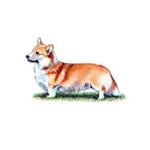
What Are the Traits and Care Tips for the Welsh Corgi (Pembroke)?
The Welsh Corgi (Pembroke) is a small, charismatic, and sturdy breed well-loved for its charming personality and fox-like good looks. Renowned as a favorite companion of British royalty, especially Queen Elizabeth II, this breed balances family-friendly devotion with a practical, hard-working nature. With their keen intelligence and loyal disposition, Pembroke Welsh Corgis fit well into a variety of lifestyles—making them an excellent choice for individuals and families seeking a spirited, sociable canine companion.
This breed’s unmistakable appearance, complete with perky ears and an expressive face, has won the hearts of dog lovers around the world. Whether you’re looking for an energetic playmate, a steadfast friend for children, or a watchful yet gentle household guardian, the Welsh Corgi (Pembroke) brings a versatile and loving presence to the home. Those considering the breed should be prepared for a dog that thrives on both mental engagement and physical activity, thriving in homes where they are truly part of the family.
- Overview of the Welsh Corgi (Pembroke)
- Key Characteristics
- Appearance of the Welsh Corgi (Pembroke)
- Temperament & Behavior
- Care & Living Needs
- Health & Common Issues
- Official Breed Standard Summary
- Frequently Asked Questions
Group: Pastoral
Size: Small
Exercise needs: Up to 1 hour per day
Coat length: Short
Grooming: More than once a week
Shedding: Yes
Lifespan: Over 12 years
Ideal home type: Small house
Town or country: Either
Garden needs: Small/ medium garden
Overview of the Welsh Corgi (Pembroke)
The Welsh Corgi (Pembroke) hails from Wales, where it originally served as a hard-working herding dog. The breed is slightly smaller and more compact than its cousin, the Cardigan Welsh Corgi, with straighter front legs, subtler ears, and what was once a docked or naturally bobbed tail. Over the decades, their reputation has been greatly enhanced by a strong association with the British royal family, particularly due to the affectionate patronage of Queen Elizabeth II. This royal connection has propelled the Pembroke to worldwide fame and enduring popularity.
This breed was developed as a reliable partner to farmers, herding cattle and other livestock in challenging conditions. Pembroke Welsh Corgis possess all the physical and mental traits required for effective pastoral work, including stamina, keen awareness, and agility. Though many today are cherished household pets rather than working dogs, they still exhibit these instincts through their active and attentive natures.
The Pembroke Welsh Corgi is ideal for a range of owners—from families with young children to single individuals—provided they can offer the daily engagement, activity, and companionship the breed craves. Whether living in the city or countryside, this adaptable dog quickly earns its place as a valued member of the household.
Key Characteristics
- Energy level – Bright and energetic, the Pembroke Welsh Corgi enjoys daily activity and interactive play.
- Trainability – Eager to please and very intelligent, responding well to positive reinforcement and consistent routines.
- Intelligence – Highly intelligent with a strong problem-solving ability, making training both rewarding and necessary.
- Prey drive – Moderate, with some herding instincts that may extend to chasing small animals or moving children.
- Social needs – Thrives on companionship and does best when frequently included in family activities.
- Compatibility with families and children – Generally excellent, especially with respectful children who understand canine boundaries.
- Compatibility with other dogs – Often good with other dogs when socialized from a young age.
- Guarding or watchdog tendencies – Watchful and alert, making a good watchdog without being overly aggressive.
- Adaptability to city or country life – Equally content in houses with small or medium gardens, suitable for both town and rural living.
- Best suited owner type – Individuals or families who can provide consistent mental and physical stimulation.
- Typical daily routine – A balance of walks, playtime, family interaction, and periods of quiet companionship.
Appearance of the Welsh Corgi (Pembroke)
Compact, strong, and decidedly low-set, the Welsh Corgi (Pembroke) makes a strong impression despite its small stature. Standing about 10–12 inches at the shoulder and weighing between 22–26 lbs for males (20–24 lbs for females), this breed exudes substance and stamina within its petite frame. The overall silhouette is one of a workmanlike dog—robust and agile, with a level topline and a body that is medium in length, broad-chested, and gently tapering.
The head is reminiscent of a fox, with a slightly tapering muzzle and a keen, intelligent look. The skull is broad and flat between pricked, medium-sized ears that are somewhat rounded at the top. Expressive brown eyes are round, medium in size, and harmonize pleasingly with the coat color. The jaws are strong, equipped with a regular scissor bite, and the nose is typically black.
Pembrokes feature short, straight forelegs and ample bone throughout, paired with well-angulated hindquarters that support their active gait. Their chest is well developed, and the feet are oval-shaped, with strong, arched toes and sturdy pads. Once commonly docked, Pembrokes now may possess a tail of variable length—either natural or a naturally occurring bobtail—with tidy carriage aligned to the topline.
The double coat is medium length, dense and straight, never appearing soft, wavy, or wiry. Recognized colors include Red and White, Sable and White, Fawn and White, and Tricolor, with white markings permissible on the legs, brisket, neck, and occasionally on the head and foreface. This distinctive coat helps protect the breed from adverse weather, a nod to its pastoral heritage.
Temperament & Behavior
The Welsh Corgi (Pembroke) is defined by its friendly, outgoing, and confident disposition. Rarely nervous or aggressive, this breed delights in human company and is well-suited to active families or individuals. Their bold, workmanlike character reflects their origins as herding dogs, always alert to their surroundings yet keen to participate in whatever their people are doing.
At home, Pembrokes are affectionate and form strong bonds with all members of the household, displaying particular devotion to their primary caregivers. They engage readily in interactive play, are quick to learn household routines, and adapt well to busy family life. Their cheerful outlook and expressive faces make them natural companions for children, and they will typically extend their social graces to visitors once introduced properly.
This breed’s intelligence goes hand-in-hand with a need for mental stimulation; boredom can lead to mischievous behavior if their active minds and bodies are left to idle. Though initially reserved with strangers, most Pembrokes warm up quickly, balancing guard dog alertness with approachability. Founder instincts still linger, so early socialization is important, especially with other animals and pets. Proper introductions and positive experiences help Pembrokes thrive as well-mannered members of multi-pet households.
As a member of the Pastoral Group, the Pembroke Welsh Corgi carries a legacy of herding and working closely with people. Their routine includes keeping a gentle yet watchful eye on their territory, often responding with a quick bark to anything unusual. Owners should appreciate and channel these qualities with regular activity and inclusion in family life.
Care & Living Needs for the Welsh Corgi (Pembroke)
Pembrokes are active dogs who require up to an hour of exercise each day. This might include brisk walks, play sessions, interactive games, or light agility work. While they are compact enough for city life and do well in small houses, they benefit from access to a small or medium-sized garden where they can safely explore and play. Neither city apartments nor large countryside properties pose a challenge for this adaptable breed; the most important factor is regular activity and meaningful interaction with their people.
With a dense double coat and regular shedding, grooming is an important routine. Brushing more than once a week will help manage loose hair, especially since they do shed. The coat is short and straight, requiring basic maintenance, but additional grooming may be useful during seasonal changes. Routine care should also include checking ears, trimming nails, and practicing good dental hygiene.
Pembroke Welsh Corgis respond best to positive, structured training methods. Their intelligence makes them quick learners, but it also means they need consistent challenges to prevent boredom. Puzzle toys, trick training, and basic obedience all keep their minds stimulated. This breed is best for owners who are committed to daily involvement and can provide the attentive engagement these dogs crave. Those looking for a low-energy, highly independent breed may find the Pembroke too interactive or active for their preferences.
Health & Common Issues
The Welsh Corgi (Pembroke) is generally robust, with many individuals living beyond 12 years. While the dataset does not specify particular health issues, basic best practices apply: regular veterinary checkups, a well-balanced diet, and maintaining a healthy weight are essential for supporting longevity and everyday well-being. Owners should stay alert for any changes in movement or attitude, as early detection of issues can greatly assist in management and treatment.
Proper exercise balanced with appropriate rest helps keep joints and muscles strong. Because Pembrokes are low to the ground and solidly built, special care should be taken to avoid excessive jumping or rough play that could impact their backs or legs. Responsible breeding and routine check-ups are the key preventive measures for keeping your Corgi at their happiest.
Dental health and basic hygiene, such as ear cleaning and nail trimming, contribute to the dog’s overall wellness, while a consistent grooming routine complements coat and skin health. Regular attention and proactive care help ensure that the Pembroke Welsh Corgi enjoys a full and active life by your side.
Official Breed Standard Summary
The official breed standard for the Welsh Corgi (Pembroke) sets forth guidelines for the ideal appearance, movement, and temperament of the breed. It emphasizes a low-set, sturdy frame with clear signs of substance and agile energy. The head should resemble a fox in expression, accented by bright, attentive eyes and pricked, medium-sized ears. The body is medium in length, with ample bone and a level topline, while the tail can range in length and carriage.
Movement is described as free and active, driven by well-structured fore and hindquarters that reflect a readiness for work. A straight, harsh coat overlays a dense undercoat and comes in several accepted colors, notably red and white, sable and white, fawn and white, and tricolor. Markings of white are permissible on particular body areas, though any other color or combination is not accepted.
The standard values absolute soundness, warning against any exaggeration or feature that would compromise health or welfare. Faults should be assessed carefully, considering both the degree and impact on the dog’s quality of life. The guidance also notes that dogs may not perfectly match all measurements and that normal masculine development should be evident in males.
For those seeking to showcase their dog in a conformation setting or simply ensure a well-balanced, fit-for-function companion, these standards serve as a quality benchmark for the breed’s ongoing development and welfare.
Frequently Asked Questions about the Welsh Corgi (Pembroke)
Is the Welsh Corgi (Pembroke) good for first-time dog owners?
Yes, with their friendly nature and intelligence, Pembrokes can be an excellent choice for first-time owners who are ready to engage in regular training and daily activities. Their responsiveness makes for a rewarding partnership, provided owners are prepared for their activity needs.
How much exercise does a Welsh Corgi (Pembroke) need daily?
This breed requires up to one hour of exercise each day. Activities such as walks, playtime, and mental challenges will keep them healthy and content.
Is the Welsh Corgi (Pembroke) good with children?
Pembroke Welsh Corgis are generally well-suited to families with children, especially when the children are taught to interact respectfully. Their cheerful and affectionate demeanor makes them a playful and dependable companion for kids.
Can the Welsh Corgi (Pembroke) live in an apartment?
Yes, Pembrokes can adapt to apartment living as long as they receive sufficient daily exercise and mental stimulation. They do best when regular outdoor activities and family interaction are part of their routine.
How much grooming does a Welsh Corgi (Pembroke) need?
The breed’s double coat needs brushing more than once a week, particularly during shedding periods. Regular brushing helps manage loose hair and keeps their coat healthy.
Are there common health concerns in this breed?
While no specific concerns are outlined here, maintaining regular vet visits, a balanced diet, and daily exercise are important for overall health. Good weight management and monitoring movement are especially beneficial for the breed’s well-being.


