
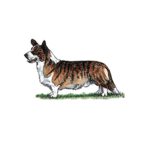
What Are the Traits and Care Tips for the Welsh Corgi (Cardigan)?
The Welsh Corgi (Cardigan) is a distinct, heritage-rich member of the pastoral group with roots deep in Welsh farming traditions. This breed combines but sturdy build with lively intelligence, making it a favorite choice for those seeking a small- to medium-sized herding dog that adapts beautifully to home life. Despite its historic role as a cattle driver and yard guardian, the Cardigan Corgi has found an enthusiastic following among families, individuals, and active seniors who appreciate a loyal companion with plenty of personality.
The Cardigan’s versatility means it excels both as a hardworking farm dog and as a loving member of a household. For owners who enjoy spending time outdoors and value a dog that participates in daily life, the Cardigan delivers. Its watchful nature and adaptability mean it easily blends into varied environments, whether you live in a town apartment or a countryside cottage. Given the breed’s intelligence and manageable size, dedicated owners will find this breed both deeply rewarding and endlessly entertaining.
- Overview of the Welsh Corgi (Cardigan)
- Key Characteristics
- Appearance of the Welsh Corgi (Cardigan)
- Temperament & Behavior
- Care & Living Needs
- Health & Common Issues
- Official Breed Standard Summary
- Frequently Asked Questions
Group: Pastoral
Size: Small
Exercise needs: Up to 1 hour per day
Coat length: Short
Grooming: More than once a week
Shedding: Yes
Lifespan: Over 12 years
Ideal home type: Small house
Town or country: Either
Garden needs: Small/ medium garden
Overview of the Welsh Corgi (Cardigan)
Long before the Welsh Corgi (Cardigan) became recognized as a cherished family companion, it earned its keep in the rugged countryside of Wales. This breed’s earliest ancestors are thought to trace back to Celtic times, where “cor” means dwarf and “gi” means dog, a reference to its low stature. The Cardigan is believed to be the older of the two Corgi breeds and was once the trusted yard dog, known for a body nearly the length of a traditional Welsh yardstick. Traditionally undocked, its tail is a hallmark feature, adding to the breed’s unmistakable silhouette.
Cardigans were bred as “heelers,” driving livestock by nipping at their heels and expertly dodging kicks with help from their short legs and limber bodies. Their daily responsibilities went beyond herding, as they often watched over herds through the night, displaying both courage and vigilance. Owners seeking a breed with deep working roots will appreciate the Cardigan’s heritage, which affects both its temperament and capabilities to this day.
Today, the Welsh Corgi (Cardigan) offers the best of both worlds: a lively, alert companion for rural homes and a practical, hardy breed for town living. Its adaptability, moderate space requirements, and friendly disposition make it an excellent choice for owners looking for a smaller herding dog with a big personality. Families, singles, and active retirees can all find a devoted friend in this determined yet affectionate breed.
Key Characteristics
- Energy level – The Cardigan Corgi is lively and enjoys daily activity, but is satisfied with moderate exercise each day.
- Trainability – This breed learns quickly thanks to its intelligence and attentiveness, but responds best to positive and consistent training.
- Intelligence – Cardigans are known for sharp problem-solving abilities and a keen awareness of their environment.
- Prey drive – As a herding dog, it may show chasing tendencies, especially towards fast-moving animals or children at play.
- Social needs – The Cardigan thrives on companionship and does best as an active member of a household.
- Compatibility with families and children – Generally very good, as long as boundaries are taught on both sides; supervision with small children is advised due to herding instincts.
- Compatibility with other dogs – Cardigans typically get along well with other dogs, particularly if socialized from an early age.
- Guarding or watchdog tendencies – With a steady, alert demeanor, Cardigans are naturally protective and will sound the alarm when something is amiss.
- Adaptability to city or country life – Suitable for both urban and rural settings, provided they have enough exercise and mental stimulation.
- Best suited owner type – Ideal for attentive owners who appreciate an active, intelligent companion and can provide direction and engagement.
- Typical daily routine – Enjoys interactive play, walks of up to an hour, and participating in household activities and training exercises.
Appearance of the Welsh Corgi (Cardigan)
The Welsh Corgi (Cardigan) stands out for its elongated, sturdy body, which is notably longer in proportion to its height. Its overall appearance is robust yet agile, designed for both endurance and mobility. The characteristic tail, similar in shape to a fox’s brush, adds to its distinct profile and is carried low when at rest, but may lift slightly in motion, never curling over the back.
The Cardigan’s head is foxy in both shape and expression, with a wide and flat skull that tapers smoothly towards set, alert eyes. The eyes should ideally be dark and clear, projecting a kind but always watchful look. The breed’s ears are notable: proportionally large, rounded at the tips, and set wide apart—giving the dog an expression of curiosity and awareness. Its strong teeth meet in a precise scissor bite, underlining the functional roots of this breed.
Forequarters are marked by slightly bowed forelegs that curve around a roomy chest, supporting the body well clear of the ground. The chest itself is broad and well-developed, leading into a level topline and a well-sprung ribcage with a distinct waist. Hindquarters are muscular and parallel, giving the Cardigan propulsion for active movement. The feet are round, tight, and well-padded, built for the demanding terrain of its traditional working environment.
This breed’s weather-resistant coat is typically short or medium in length, with a hard texture and dense undercoat to shield it from the elements. Acceptable coat colors are varied: blue merle, brindle, red, sable, and several tricolour combinations, often with white markings. However, white should not dominate the body or head and should not surround the eyes. The Cardigan’s ideal height is around 12 inches at the shoulder, with weight balanced for structure and stamina rather than bulk.
Temperament & Behavior
The Welsh Corgi (Cardigan) is known for a temperament that is both steady and spirited. Within the home, these dogs are devoted companions, displaying a balance of independent thought and a desire to interact closely with their people. Their intelligence is apparent—they learn new tasks quickly and are always tuned in to their surroundings. While naturally alert, their demeanor is not aggressive or overly timid.
As with many pastoral breeds, Cardigans are keen observers and quick to alert their owners if something is out of the ordinary. This makes them useful as natural watchdogs, without being nuisance barkers when well-guided. With proper socialization, Cardigans form strong, affectionate bonds with both adults and children. Their herding instincts can be seen in gentle attempts to control the movement of kids or animals, so supervision and training are recommended to channel this behavior constructively.
Interactions with other dogs are generally positive, particularly for individuals who have been introduced to a variety of social situations from a young age. The Cardigan’s steady nature means it isn’t easily rattled, and its intelligence ensures a thoughtful response to new environments. Owners must appreciate and work with the dog’s desire to be helpful and included; a bored Cardigan is one that will find its own entertainment, sometimes in ways owners did not intend.
Care & Living Needs for the Welsh Corgi (Cardigan)
The Cardigan Corgi is well suited to households where daily walks and interactive play can be part of the routine. With exercise needs up to one hour each day, the breed enjoys having a secure garden—small or medium in size—for outdoor time, but remains flexible enough for town or country living. While a small house will suffice, space for games and sniffing around the yard is appreciated.
Grooming should not be neglected. The weatherproof coat, while short, benefits from brushing more than once a week to manage shedding and maintain its condition. Cardigans do shed, especially during seasonal changes, so regular grooming helps reduce loose hair in the home and keeps the dense undercoat healthy.
Mental stimulation is essential. These dogs thrive on learning and problem solving, so training sessions, puzzle toys, and participation in dog sports or structured games will keep them happy. Early, ongoing training ensures their intelligence is an asset rather than a challenge. Cardigans suit dedicated owners who enjoy time with their pet and can provide the direction, structure, and interaction this breed requires. Those seeking a very low-maintenance or highly sedentary companion might find a different breed better aligned with their lifestyle.
Health & Common Issues
The Welsh Corgi (Cardigan) is generally considered a robust and healthy breed, often living into their teens. Regular veterinary visits are important, as with all breeds, to track weight, monitor joint health, and catch early signs of age-related changes. Maintaining a balanced diet and preventing obesity goes a long way in supporting joint and overall well-being.
Due to their body shape—long with short legs—careful attention should be paid to avoid excessive strain or jumping from heights, as this conformation can make their backs more vulnerable to injury. Structured exercise and monitored play help maintain ideal muscle tone without overexertion. Good oral hygiene and routine care of ears, eyes, and coat further contribute to a healthy, comfortable life for the Cardigan Corgi.
Owners are encouraged to work with reputable breeders who prioritize soundness and to stay informed about breed-specific concerns as they arise. Consistent preventative care and a proactive approach to the Cardigan’s physical and mental needs will help ensure a happy, energetic companion for many years.
Official Breed Standard Summary
The official breed standard for the Welsh Corgi (Cardigan) outlines a sturdy, tough, and highly mobile dog, remarkable for its capabilities and endurance. Balance and absolute soundness are emphasized, ensuring the breed remains fit for its functional origins as a drover and guardian. Cardigans are expected to embody an alert, intelligent character, with a strong, moderately long body, slightly bowed forelegs, and a bushy tail set in line with the back’s topline.
The head should resemble a fox, with well-defined eyes and large, erect ears. The breed’s coat should be hard in texture, short to medium in length, and weatherproof with a dense undercoat. Recognized colors include blue merle, brindle, reds, sables, and tricolor variations, always with or without typical white markings, though white must not predominate on the body or head. Movement should be free and active, showing reach and drive without exaggeration.
Physical faults are considered in proportion to their impact on health and function. The breed standard also notes the importance of having two normal descended testicles in males. Those seeking a Cardigan puppy should remember that sizes in the breed standard are guides; healthy individuals can be slightly larger or smaller while still making wonderful companions.
Frequently Asked Questions about the Welsh Corgi (Cardigan)
Is the Welsh Corgi (Cardigan) good for first-time dog owners?
This breed can be a great match for first-time owners who are committed to consistent training, exercise, and companionship. The Cardigan’s adaptability and intelligence make it responsive, but guidance and engagement are important for success.
How much exercise does a Welsh Corgi (Cardigan) need daily?
The Cardigan does well with up to one hour of exercise per day. Brisk walks, games, and opportunities to explore outdoors will help meet its physical and mental needs.
Is the Welsh Corgi (Cardigan) good with children?
Welsh Corgi (Cardigan) dogs are generally loving and patient with children, especially when socialized early and interactions are supervised. Their herding instinct means they may try to “round up” running children, so guidance is recommended for both the dog and kids.
Can the Welsh Corgi (Cardigan) live in an apartment?
This breed can adapt to apartment living as long as its exercise and mental stimulation needs are met. A small house with a garden is ideal, but daily walks and playtime help Cardigans stay happy and balanced in smaller spaces.
How much grooming does a Welsh Corgi (Cardigan) need?
Regular brushing—more than once a week—is recommended to manage shedding and keep the coat healthy. Seasonal shedding may require more frequent grooming, but baths can be kept to a minimum thanks to the breed’s weatherproof coat.
Are there common health concerns in this breed?
There are no specific health warnings documented for this breed here, but maintaining regular veterinary care is essential. Keep an eye on weight, joint health, and general wellbeing to help your Cardigan thrive into old age.


