
What Are the Traits and Care Tips for the Turkish Kangal Dog?
The Turkish Kangal Dog stands out as a powerful and devoted livestock guardian, best suited to experienced owners looking for a steady, protective companion with a strong sense of independence. This breed is revered for its intelligence, loyalty, and remarkable guarding ability, making it a reliable working dog and a formidable presence in rural environments. While its reputation as a courageous flock protector is well earned, the Turkish Kangal Dog can also form close bonds with its family members, especially when properly socialized and given a clear purpose.
Large, imposing, and dignified, the Turkish Kangal Dog is not a typical household pet for everyone. Its needs extend beyond companionship, requiring significant space, daily exercise, and engaged ownership. For those living in the country with ample land and a genuine need for a working protector, the Kangal is a steadfast and noble addition to the family or farm.
- Overview of the Turkish Kangal Dog
- Key Characteristics
- Appearance of the Turkish Kangal Dog
- Temperament & Behavior
- Care & Living Needs
- Health & Common Issues
- Official Breed Standard Summary
- Frequently Asked Questions
Group: Pastoral
Size: Large
Exercise needs: More than 2 hours per day
Coat length: Short
Grooming: More than once a week
Shedding: Yes
Lifespan: Over 10 years
Ideal home type: Large house
Town or country: Country
Garden needs: Large garden
Overview of the Turkish Kangal Dog
Originating from Turkey, the Turkish Kangal Dog is a renowned guardian of livestock, bred for centuries to protect flocks in challenging climates and vast landscapes. Only recently recognized as a separate breed from the Anatolian Shepherd Dog in some countries, the Kangal is distinguished by its athletic build and the striking dark mask on its face. It has a strong regional legacy as a working dog, respected for its unwavering dedication to safeguarding sheep and other herd animals from predators.
The lifestyle of a Kangal is often nomadic and outdoorsy, shaped by generations spent living among flocks in fields and mountains. These dogs are large, muscular, and quick, embodying both the endurance and the stamina needed for their demanding roles. They thrive in wide-open spaces with ample opportunity for movement, and their capabilities shine brightest on working farms or rural holdings where their instinct to guard and protect is valued.
With their imposing presence and independent spirit, Turkish Kangal Dogs require families or owners who appreciate a self-reliant breed that may be aloof around strangers but intensely loyal to those they trust. For those seeking a gentle, protective companion in a rural setting, few breeds match the steadfastness and subtle dignity of the Kangal.
Key Characteristics
- Energy level – Highly active, requires significant daily exercise and room to roam.
- Trainability – Intelligent and capable, though often independent-minded; responds best to consistent, confident training.
- Intelligence – Known for keen perception and problem solving, especially in guarding situations.
- Prey drive – Low natural prey drive; bred to guard livestock rather than to hunt or chase.
- Social needs – Often reserved with strangers but devoted to owners and household members.
- Compatibility with families and children – Can be gentle with children when socialized, but supervision is important due to size and protectiveness.
- Compatibility with other dogs – Generally well-mannered with other dogs if raised together, but may be dominant towards unfamiliar animals.
- Guarding or watchdog tendencies – Exceptional, one of the strongest natural guardian instincts among dog breeds.
- Adaptability to city or country life – Best suited to rural environments; urban living is not recommended due to size, energy, and exercise requirements.
- Best suited owner type – Experienced owners with spacious homes and a purpose for the dog’s guarding nature.
- Typical daily routine – Long periods outdoors, frequent patrols of property, and regular interaction with livestock or family.
Appearance of the Turkish Kangal Dog
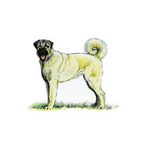
The Turkish Kangal Dog commands attention with its large, powerful frame and balanced proportions. Dogs stand between 74–81 centimeters (29–32 inches) at the shoulders, while bitches measure between 71–79 centimeters (28–31 inches), giving both an imposing but athletic look. The head is broad yet not exaggerated, completed by the breed’s hallmark dark or black mask covering the muzzle and often extending beyond the eyes. The ears are medium-sized, triangular with rounded tips, and sit slightly beneath the crown, lying flat but lifting when alert and always darkly pigmented.
The eyes harmonize with the coat color, ranging from golden to brown but with darker eyes preferred, all set within tightly fitting lids. Black lips, a strong square jaw, large nose, and moderately arched powerful neck add to the robust facial expression. A slightly arched loin rises just behind prominent withers along a body that is marginally longer than tall, finished with a deep chest and strong, well-boned legs. The tail, long and set high, is typically carried in a relaxed, slightly curled position but forms a striking central curl over the back when alert, especially in males.
The coat is another distinct feature: a weatherproof double layer, short and dense throughout, slightly longer at the neck, shoulders, and tail. The coat colors range from cream and fawn to dun or steel grey, all accompanied by the essential black mask and dark ears. A small amount of white on the chest, toes, or chin is tolerated, as is a black or white tip on the tail if minimal. The breed’s solid build and impressive stance reflect its historical role as a steadfast protector against predators in diverse weather conditions.
Temperament & Behavior
With a temperament shaped by its heritage as a flock guardian, the Turkish Kangal Dog blends calm confidence with a natural authority. These dogs are typically steady-natured and bold, showing little inclination toward unnecessary aggression. Instead, they rely on their intelligence, independence, and innate sense of responsibility to provide quiet but unwavering protection to those in their care.
At home, Kangals are protective and loyal, establishing strong bonds with their family while remaining somewhat aloof around strangers. Their guarding nature means they are alert to any perceived threat to their charges—whether livestock or people—making them one of the finest watchdogs among all pastoral breeds. They tend to be dominant and territorial but usually maintain a composed demeanor unless their flock is threatened.
This breed’s interaction with other animals is generally cordial when raised side by side, though their dominant tendencies can come to the forefront if they sense a challenge. Despite their impressive size, well-socialized Kangals can be gentle with children and devoted companions. However, due to their instinct to act decisively when guarding, supervision around young children and smaller pets is prudent.
As members of the pastoral group, Turkish Kangal Dogs excel in challenging environments, working effectively in all weather conditions and withstanding extreme temperatures. Ideal owners should be confident, prepared to provide firm, fair leadership, and willing to respect the Kangal’s independent, sometimes headstrong nature.
Care & Living Needs for the Turkish Kangal Dog
The Turkish Kangal Dog is best matched with active owners who can meet its demanding exercise needs—well over two hours of activity a day. Secure, expansive gardens and rural properties provide the space necessary for these large dogs to move freely and patrol as their instincts dictate. A large, well-fenced garden is almost essential, and smaller homes or urban environments are generally unsuited to their needs.
Grooming requirements are moderate due to the Kangal’s short, dense double coat. Regular brushing more than once a week helps manage shedding, keeps the coat clean, and allows for quick checks on skin health and parasites. The coat does shed and will require increased attention during seasonal changes, but its weather-resistant properties mean bathing is needed only occasionally.
Mental stimulation and early, positive training are vital to bring out the best in this highly intelligent and independent breed. Consistent routines, tasks, and varied activities, such as guarding duties or obedience work, help stave off boredom and unwanted behaviors. Owners should be confident, clear, and patient, using methods that respect the Kangal’s proud demeanor and avoid overly harsh corrections.
This breed is not ideal for apartment living, first-time dog owners, or those without ample time and space to invest. Kangals thrive with purpose, structure, and plenty of physical and mental outlets; a home without these elements may not be suited to their unique needs.
Health & Common Issues
While the Turkish Kangal Dog is not known for breed-specific health issues in the available dataset, it is still important to maintain regular veterinary checkups, control weight through proper diet, and provide appropriate exercise. Their robust constitution reflects a history of working in harsh conditions, but like all large breeds, attention should be paid to their joints and mobility, particularly as they age.
Basic canine care—such as dental hygiene, nail trimming, and regular parasite control—remains important to keep a Kangal in optimal condition. Their dense, weatherproof coat can conceal debris or ticks, so periodic thorough inspections are advised, especially for dogs that spend much of their time outdoors.
Owners are encouraged to support the breed’s natural longevity and stamina by maintaining consistent routines, adequate mental stimulation, and a balanced approach to nutrition and exercise.
Official Breed Standard Summary
The official breed standard for the Turkish Kangal Dog emphasizes balanced proportions, a powerful and muscular build, and absolute soundness in movement and appearance. A large but not exaggerated head, darkly pigmented ears and facial mask, and an athletic, supremely fit body are essential to the breed’s iconic look. The overall stance of the Kangal conveys both strength and dignity, with clearly defined musculature and a tail that curls over the back when alert.
The allowed color palette spans cream, fawn, dun, and steel grey, with the trademark black mask and dark ears considered hallmarks. While a slight amount of white is permitted on certain parts of the body, other colors or deviations are not accepted. The coat should be short, dense, efficient at fending off weather, and should never be fluffy or wavy.
Movement is described as relaxed yet powerful, giving the impression of latent strength and agility. The gait remains noticeably straight and focused, and as speed increases, legs may converge into a central track. The standard discourages any physical exaggerations or faults that may impair health or welfare, and all individuals should display sound structure and temperament.
It is noted that while the standard provides size ranges, individual dogs may fall somewhat outside these measurements. The breed’s health and overall suitability for work always take priority over strict adherence to size alone.
Frequently Asked Questions about the Turkish Kangal Dog
Is the Turkish Kangal Dog good for first-time dog owners?
This breed is best suited to owners with experience handling large, independent dogs. Their need for confident leadership, ample space, and guarding instinct may present challenges for those new to dog ownership.
How much exercise does a Turkish Kangal Dog need daily?
A Turkish Kangal Dog requires more than two hours of daily exercise. They thrive with space to roam and regular opportunities to patrol large outdoor areas.
Is the Turkish Kangal Dog good with children?
With proper socialization, Kangals can be gentle and protective with children. However, due to their size and guarding nature, interactions with young children should always be supervised.
Can the Turkish Kangal Dog live in an apartment?
This breed is not suited to apartment living. Kangals need a large house and garden in a country setting to accommodate their size, energy, and working instincts.
How much grooming does a Turkish Kangal Dog need?
The Kangal’s short, dense coat should be brushed more than once a week, especially during shedding seasons. Regular grooming helps control shedding and keeps their coat healthy.
Are there common health concerns in this breed?
The dataset does not note breed-specific health problems. Regular veterinary care, attention to joint health, and a nutritious diet support longevity and wellness.


