
What Are the Traits and Care Tips for the Swedish Vallhund?
The Swedish Vallhund is a small yet bold herding dog with deep roots in Scandinavian history. Renowned for its lively nature and sharp intelligence, this breed stands out as both a capable working dog and a devoted family companion. Its adaptability and robust energy make it an attractive choice for active individuals or families who appreciate an engaging and interactive dog.
This breed suits owners who enjoy incorporating their dog into daily life, from exercise routines to shared downtime. The Swedish Vallhund thrives on partnership and purposeful activity, whether it’s in a home with a compact garden or larger rural property. Those looking for an alert canine companion with genuine working heritage and a spirited but manageable temperament will find much to love in this remarkable breed.
- Overview of the Swedish Vallhund
- Key Characteristics
- Appearance of the Swedish Vallhund
- Temperament & Behavior
- Care & Living Needs
- Health & Common Issues
- Official Breed Standard Summary
- Frequently Asked Questions
Group: Pastoral
Size: Small
Exercise needs: Up to 1 hour per day
Coat length: Short
Grooming: Once a week
Shedding: Yes
Lifespan: Over 10 years
Ideal home type: Small house
Town or country: Either
Garden needs: Small/ medium garden
Overview of the Swedish Vallhund
The Swedish Vallhund is a breed with a legacy reaching back centuries, believed to be of Viking origin and historically bred for tasks such as cattle herding and droving. It is distinguished as a resilient and versatile working dog developed in rural Sweden, particularly revived in the Västergötland region during the 1940s. Thanks to the dedicated efforts of breed enthusiasts, the Vallhund was saved from the brink of extinction and has since become appreciated beyond its homeland for its dynamic skills and personable disposition.
Heredity endows this breed with an admirable combination of strength, agility, and intelligence, intended for herding cattle with precision and confidence. Swedish Vallhunds are happiest when they have a daily purpose, whether assisting on a farm, excelling in canine sports, or joining in outdoor adventures. Their adaptability means they are not solely suitable for traditional farms; homes with suitable space and commitment to mental stimulation can also provide the environment this breed needs to flourish.
This breed is well-matched for owners who value an energetic, attentive companion and are prepared to meet their activity and companionship requirements. First-time owners who enjoy an engaged lifestyle, as well as experienced handlers looking for a hardy partner, will appreciate the Vallhund’s charm, loyalty, and working drive.
Key Characteristics
- Energy level – Filled with vitality and eagerness, Swedish Vallhunds need regular activity to satisfy their active minds and bodies.
- Trainability – Highly intelligent and motivated to please, this breed excels in structured training and tends to respond well to positive reinforcement.
- Intelligence – Alert and quick to learn, Vallhunds pick up new commands and routines remarkably efficiently.
- Prey drive – With a history as a herder, this breed may have moderate chasing tendencies but can usually be managed with socialization and training.
- Social needs – Vallhunds thrive on interaction with people and often bond closely to their families.
- Compatibility with families and children – Generally friendly and gentle with children, making them well-suited for family life under the right conditions.
- Compatibility with other dogs – With proper introductions, they usually get along with other dogs, especially if raised together from a young age.
- Guarding or watchdog tendencies – They are watchful and alert, often quick to notify their owners of unexpected visitors or events.
- Adaptability to city or country life – This breed is content in both urban and rural settings, as long as exercise and mental stimulation requirements are met.
- Best suited owner type – Owners who can offer stimulation, companionship, and regular exercise are ideal for the Swedish Vallhund.
- Typical daily routine – Vallhunds do best with a balance of physical activity, play, companionship, and some quiet downtime indoors.
Appearance of the Swedish Vallhund
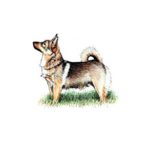
The Swedish Vallhund is a small but solidly built working dog, instantly recognizable by its well-proportioned body that is slightly longer than it is tall (the ideal ratio being roughly two-thirds body length to height at the withers). Despite its modest stature, the breed exudes strength and an unmistakable sense of purpose, suited perfectly for its pastoral roles.
Facial features include medium-sized, oval, and very dark brown eyes that project an attentive and intelligent expression. The ears are pointed, upright, and mobile, with a leathery firmness from base to tip. The breed’s jaws are strong, meeting in a scissor bite, and the neck is impressive—both long and muscular, lending an elegant yet sturdy outline. Their body is muscular and well-defined, with level backs, short loins, and deep, well-sprung chests, finished with a slightly sloping croup and a belly that tucks modestly.
The forequarters and hindquarters are marked by pronounced angles and strength, with well-boned legs and firm, oval feet. The tail varies greatly—some individuals may be born tailless, while others may have a full tail of different shapes and carriage, all acceptable within the breed standard.
The coat of the Swedish Vallhund is of medium length and impressively practical. Its topcoat is harsh, close, and dense, while the undercoat is plentiful, woolly, and soft, creating a weather-resistant barrier. Their classic coloration ranges across all shades of grey and red, often featuring darker guard hairs and lighter markings on the muzzle, throat, belly, legs, and feet. Specific breed standard shades include steel and wolf grey, various reds and sables, and combinations with white markings that never exceed a third of the coat’s total color. Non-standard colors such as blue or pure white are not accepted for show purposes.
Adult Vallhunds typically stand 13–13¾ inches at the withers for males and 12–13 inches for females, with weights ranging from 25–35 pounds. Their proportions and stature contribute to a lively yet powerful impression well suited to active pursuits.
Temperament & Behavior
Swedish Vallhunds are well-known for their friendly, energetic, and inquisitive natures. Their temperament is deeply rooted in their past as hard-working cattle drovers—a legacy that gives them both vigor and resilience. At home, Vallhunds display an eagerness to please, remain alert to their surroundings, and interact openly with family members and neighbors alike.
These dogs integrate readily into family life, typically forming strong bonds with household members and seeking opportunities to participate in group activities. Their watchful outlook and keen senses also make them reliable as home guardians, always quick to signal anything out of the ordinary. Despite this, aggression is not in their nature—they are most comfortable as active, social companions who thrive on camaraderie.
As with many pastoral breeds, the Swedish Vallhund’s intelligence is a stand-out trait, often resulting in a dog that is quick to assess situations and respond appropriately. Early and regular socialization helps ensure they remain well-mannered around other pets and visitors. Their energetic personality requires creative outlets, as boredom may lead to unwanted behaviors.
Whether participating in agility courses, herding trials, or daily walks in the neighborhood, Vallhunds enjoy demonstrating their skills and staying mentally busy. For owners able to offer structure and encouragement, the breed rewards with an upbeat spirit and exceptional loyalty.
Care & Living Needs for the Swedish Vallhund
The Swedish Vallhund is active and benefits from up to an hour of exercise each day. Regular physical activity keeps their body and mind healthy, whether through brisk walks, play sessions, or dog sports. Despite their agile abilities, they do not require vast properties, making them a comfortable fit in a small house with a modest or medium garden. Their adaptable personality means they can flourish in either town or country environments, as long as their stimulation needs are consistently met.
Grooming requirements are straightforward, as their short, dense coat only necessitates brushing once a week to maintain healthy skin and reduce shedding. The Vallhund is a natural shedder, particularly during seasonal changes. Routine grooming also presents a chance to check over their body for any signs of irritation or debris. The double coat’s weather resistance developed from its herding past remains one of its most resourceful traits.
Mental engagement is essential for this breed. Puzzle toys, obedience training, and tasks that channel their instinctive talents help prevent boredom. Consistency, patience, and positive reinforcement are the cornerstone of effective training—these intelligent dogs respond best to a balanced, fair approach. Early socialization ensures they are courteous with new people and pets.
This breed may not suit those who prefer a sedentary or low-activity lifestyle, nor those who are unable to offer regular attention and companionship. Vallhunds thrive on involvement and purpose. Households willing to meet these needs will enjoy a lively, loyal friend with a real sense of history.
Health & Common Issues
The Swedish Vallhund is known for its vigor and generally long lifespan, often living well beyond a decade with quality care. While the dataset does not specify significant health concerns unique to the breed, it is always important to maintain a preventive health routine.
Owners should provide regular veterinary checkups to monitor their dog’s overall wellbeing. Weight management, balanced exercise tailored to their age and fitness, and good oral hygiene all contribute to longevity and quality of life. Their active temperament and sturdy build mean they are well equipped for a busy lifestyle, as long as sudden, excessive strain or high-impact activity is avoided in young or elderly dogs.
Like all breeds, periodic grooming and close attention to the eyes, teeth, and nails will help ensure ongoing comfort and good health. Watching for any changes in movement or behavior and responding promptly to concerns keeps these spirited dogs at their best.
Official Breed Standard Summary
The official breed standard sets out the Swedish Vallhund as a small, robust, and well-balanced working dog, with proportions reflecting a two-thirds body length to height ratio. Soundness and overall health are central—features or exaggerations that could compromise wellbeing are discouraged in breeding and exhibition. The breed’s appearance includes a level topline, muscular build, and mobility, with acceptable variations in tail length and carriage.
Coat color is distinctive, ranging from shades of grey and red to sable and wolf grey, with permissible white markings not exceeding a third of the total coat. The desirable coat is harsh and close-fitting on the surface, with a dense, woolly undercoat. Movement should be free, active, and coordinated, expressing the breed’s pastoral origins.
Adult Swedish Vallhunds stand 13–13¾ inches (males) and 12–13 inches (females) at the shoulder, weighing between 25–35 pounds. While these measurements serve as a guideline, individuals may vary slightly in size. The breed standard prioritizes features essential for physical function and wellbeing above cosmetic traits.
Any departure from the described ideal may be considered a fault, weighted according to its impact on the health and welfare of the dog. Prospective owners and breeders are encouraged to place soundness and suitability as the foremost criteria when selecting dogs for work or companionship.
Frequently Asked Questions about the Swedish Vallhund
Is the Swedish Vallhund good for first-time dog owners?
With their intelligent and eager-to-please nature, Swedish Vallhunds can be a good fit for motivated first-time owners who are ready to invest in training, activity, and companionship. Their energy and need for engagement may not suit everyone, so commitment is key.
How much exercise does a Swedish Vallhund need daily?
This breed enjoys up to one hour of active exercise each day. Structured walks, playtime, and mentally stimulating activities help keep them happy and healthy.
Is the Swedish Vallhund good with children?
Swedish Vallhunds are typically friendly and gentle, making them well-suited for families with respectful children. As with any breed, supervision and early socialization are recommended to ensure positive interactions.
Can the Swedish Vallhund live in an apartment?
Thanks to their small size and adaptability, Swedish Vallhunds can live in apartments if given daily walks and opportunities to expend their energy. Access to a small or medium garden is beneficial, but not strictly required.
How much grooming does a Swedish Vallhund need?
The breed’s short, dense coat only needs brushing once a week to control shedding and maintain its condition. They naturally shed, especially during seasonal changes, but do not have excessive grooming demands.
Are there common health concerns in this breed?
No major health issues are specified for this breed. To support their longevity, regular veterinary care, proper nutrition, and consistent exercise are important parts of maintaining their health.


