
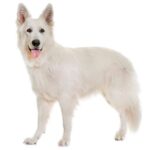
White Swiss Shepherd Dog – Breed Information, Traits & Complete Guide
The White Swiss Shepherd Dog is a strikingly elegant, intelligent, and loyal breed that appeals to a variety of dog lovers, especially those seeking a devoted companion with a working pedigree. Whether you are an active family, an individual looking for a dedicated friend, or someone interested in canine training and activities, this breed offers both versatility and distinction. Its origins are intertwined with the German Shepherd line, but the White Swiss Shepherd has forged its own unique path, earning recognition for its temperament and beauty.
This breed is not just about good looks; it is a capable working dog, known for alertness, resilience, and strong bonds with its owners. With energy to spare and a keen learning ability, the White Swiss Shepherd Dog is well-suited to roles such as herding, companionship, and even competitive dog sports. Owners can expect a sociable and loyal friend who is attentive, steady, and happiest when included in daily family life.
- Overview of the White Swiss Shepherd Dog
- Key Characteristics
- Appearance of the White Swiss Shepherd Dog
- Temperament & Behavior
- Care & Living Needs
- Health & Common Issues
- Official Breed Standard Summary
- Frequently Asked Questions
Group: Pastoral
Size: Large
Exercise needs: More than 2 hours per day
Coat length: Medium & long
Grooming: More than once a week
Shedding: Yes
Lifespan: Over 10 years
Ideal home type: Large house
Town or country: Either
Garden needs: Large garden
Overview of the White Swiss Shepherd Dog
The White Swiss Shepherd Dog has a fascinating background rooted in both utility and companionship. Although it received formal recognition in Switzerland in 1991 and later in other countries, this breed’s ancestors – white-coated shepherd dogs – have existed within the German Shepherd lineage for decades. Originally, white was considered an undesirable color in German Shepherd Dogs, but enthusiasts cherished the gentle expression and distinctive looks of these white-coated canines. In the United States, the white variant was registered in 1917, and from there, dogs were imported into Switzerland in the 1970s, where the foundation of the breed was firmly established.
This dog’s development combined the classic herding instincts and versatility of its ancestors with a unique elegance and dedicated personality. Over time, the breed’s reputation has grown, making the White Swiss Shepherd a beloved favorite both in the show ring and as a household member. Its adaptability and resilience have earned a devoted following among active owners who appreciate both its working abilities and companionship.
The breed is especially appealing for experienced dog owners or active families looking for a dog with energy and intelligence to match. Its devotion to its people makes it a popular choice for those wanting a loyal companion who can participate in family activities and respond well to training. Both medium and long-coated varieties exist, offering a lush white appearance that stands out while preserving the rugged qualities needed for work and play.
Key Characteristics
- Energy level – Very high; this breed thrives on more than two hours of exercise each day.
- Trainability – Highly trainable and eager to learn, responding well to positive training methods.
- Intelligence – Exceptionally intelligent; excels in obedience, agility, and problem-solving activities.
- Prey drive – Moderate; bred for herding rather than chasing small animals.
- Social needs – Strong desire to be with people and involved in family routines; dislikes prolonged isolation.
- Compatibility with families and children – Makes a loving, gentle family companion, often patient and lively with children.
- Compatibility with other dogs – Generally sociable with other dogs when well-socialized from puppyhood.
- Guarding or watchdog tendencies – Naturally attentive and watchful, making them effective watchdogs without aggressive tendencies.
- Adaptability to city or country life – Capable of adapting to both, as long as ample space and stimulation are provided.
- Best suited owner type – Active individuals, experienced owners, or families willing to invest time in daily exercise and interaction.
- Typical daily routine – Includes long walks, training sessions, playtime, and plenty of human company.
Appearance of the White Swiss Shepherd Dog
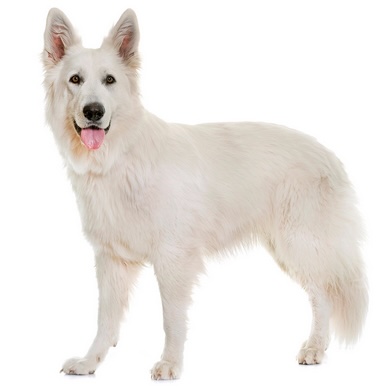
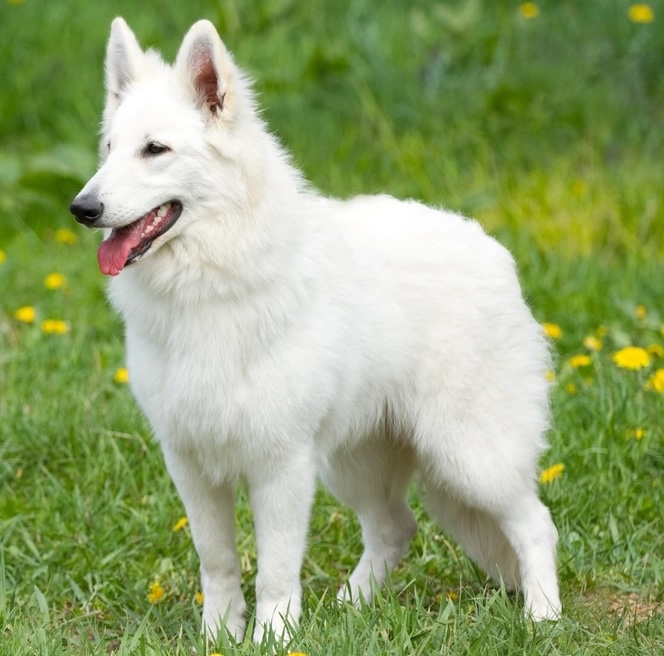
The White Swiss Shepherd Dog is an eye-catching, medium to large breed presenting a balanced, graceful yet powerful build. The body is slightly longer than tall, giving a look of elegance while maintaining a robust and functional physique ideal for working tasks. Males generally stand between 23 and 26 inches at the withers and weigh from 66 to 88 pounds, while females typically range from 20¾ to 24 inches in height and 55 to 77 pounds in weight.
This breed’s expression is alert and gentle, thanks to a wedge-shaped head, softly contoured skull, and medium-sized, almond-shaped brown eyes rimmed with black. The ears are a defining feature: elongated, triangular, set high on the head, and carried upright and parallel. The mouth features strong jaws and a scissor bite, completing the breed’s intelligent and lively look.
The coat comes in two types—medium and long—but both varieties display the breed’s signature dense double coat. The undercoat is plentiful and soft, while the outer layer comprises straight, hard guard hairs. In long-coated dogs, a distinctive mane forms around the neck, with feathering and a bushy tail. The only acceptable color is white, with a preference for dark skin beneath. Any markings or tones of fawn on the ears, back, or tail are undesirable. The tail is thickly coated, sabre-shaped, and carried low at rest, rising only slightly when in action.
Overall, the White Swiss Shepherd Dog gives an impression of elegance and athleticism, moving with effortless, rhythmic strides and presenting a picture of balance and soundness.
Temperament & Behavior
The White Swiss Shepherd Dog is renowned for its friendly, lively, and trainable temperament. These dogs display a naturally attentive and alert nature, stemming from their herding background, and are often devoted companions who build strong bonds with their families. Shyness and aggression are not typical, but they may appear reserved with strangers, making socialization important.
As a member of the pastoral group, this breed has been developed to work closely with people and adapt to various environments and herd types. As such, they excel as both companions and versatile working dogs, showing resilience and adaptability in their roles. At home, the White Swiss Shepherd is energetic but gentle, reliably fitting in with children and often forming close attachments to family members.
The breed usually handles interactions with other dogs well when introduced and socialized properly from an early age. While they are keenly aware of changes in their environment—a positive trait for a watchdog—they do not possess extreme guarding instincts and should not display unnecessary suspicion or anxiety. Their stable nature makes them a favorite among those seeking a trustworthy, affectionate, and sharp-witted companion.
Owners enjoy the White Swiss Shepherd’s enthusiasm for learning and their willingness to participate in training and play. These dogs thrive when given clear guidance, regular routines, and ample opportunities for both physical and mental engagement, making them suitable for active families, sport enthusiasts, or those interested in advanced canine training tasks.
Care & Living Needs for the White Swiss Shepherd Dog
The White Swiss Shepherd Dog requires a high level of daily activity, generally needing more than two hours of exercise. This means long walks, chances to run or play in a secure garden, and activities that engage both body and mind. A large garden is highly recommended for safe playtime, and homes should offer plenty of indoor space, making this breed unsuited for small apartments or those with minimal outdoor access.
Grooming is an ongoing commitment. Both coat types—medium and long—feature a dense double layer that sheds year-round, so brushing more than once a week is needed, especially during periods of seasonal shedding. The outer coat is straight, hard, and weather-resistant, while the undercoat is soft and abundant. In addition to coat care, regular checks of ears, nails, and teeth are important for overall well-being.
This breed thrives in homes where it is included in daily life and activities. White Swiss Shepherds dislike isolation, and mental stimulation is just as crucial as physical activity. Consistent training using positive reinforcement, as well as puzzle toys and dog sports, helps prevent boredom and unwanted behaviors. The breed’s intelligence means they will quickly pick up new skills—and also new habits, making early and ongoing training a must.
Those who live a less active lifestyle, have little time for grooming, or cannot provide regular companionship may find this breed a challenge. The White Swiss Shepherd is happiest with owners who appreciate its energy and eagerness to learn, and who can provide a stimulating and loving environment.
Health & Common Issues
The White Swiss Shepherd Dog is generally regarded as a robust breed with a lifespan over 10 years. While the dataset does not specify common health issues for this breed, as with many large, active breeds, maintaining regular veterinary check-ups and an appropriate balance of exercise is recommended. Attention to joint health, especially in a growing puppy, supports lifelong mobility and comfort.
Proper dental care, ear cleaning, and regular grooming play a role in preventing minor health concerns. Owners should also be mindful of maintaining a healthy weight through portion control and suitable daily exercise. Routine wellness visits support early detection and management of possible age-related concerns.
While this breed is not listed as vulnerable or known for specific inherited problems within the dataset, prospective owners should always engage with reputable breeders and request information on health testing. Good daily habits, vigilance, and proactive care will help ensure a healthy, happy companion for years to come.
Official Breed Standard Summary
The official breed standard for the White Swiss Shepherd Dog provides essential guidelines for breeders, owners, and judges alike. It describes a medium to large, well-balanced white shepherd with a slightly elongated body, harmonious features, and erect, triangular ears. Soundness and welfare are at the forefront, discouraging any exaggerations or faults that might affect the dog’s health or function.
The preferred coat is dense and double-layered, appearing either medium or long, always straight or slightly wavy and hard to the touch. Acceptable color is pure white, and dark skin under the coat is desirable; any other color or fawn shading is considered a fault under the standard. The breed moves with even, ground-covering strides, capable of working or showing off in the ring with equal elegance.
According to the standard, ideal sizes are 58–66 cm (23–26 inches) at the withers for males and 53–61 cm (20¾–24 inches) for females. Weight ranges are 30–40 kg (66–88 lbs) for males and 25–35 kg (55–77 lbs) for females. The breed’s appearance, movement, and temperament should never be compromised by extremes; any deviation affecting health or welfare is regarded as a fault.
The standard also underscores the importance of correct dentition and acknowledges that size may vary somewhat from these guidelines without disqualifying a healthy, well-proportioned individual. This approach ensures the breed remains functional, healthy, and true to its heritage.
Frequently Asked Questions about the White Swiss Shepherd Dog
Is the White Swiss Shepherd Dog good for first-time dog owners?
This breed is highly intelligent and trainable, but due to its high exercise and social needs, it is usually a better fit for owners with previous dog experience or those willing to invest significant time in training and engagement.
How much exercise does a White Swiss Shepherd Dog need daily?
White Swiss Shepherds require more than two hours of daily exercise, including long walks, play, and mental stimulation to remain healthy and content.
Is the White Swiss Shepherd Dog good with children?
These dogs are generally very good with children, displaying patience and a friendly temperament. Early socialization and training support positive interactions within family settings.
Can the White Swiss Shepherd Dog live in an apartment?
While adaptable, this breed is best suited to larger homes with ample space and a large garden. Apartment living is not ideal unless the owner can commit to extensive daily outdoor activity.
How much grooming does a White Swiss Shepherd Dog need?
Owners should expect to groom their dog more than once a week due to regular shedding and a double-layer coat. Regular brushing and basic care are necessary to keep the coat healthy and manageable.
Are there common health concerns in this breed?
The dataset does not specify major health concerns, but as with any large breed, routine vet visits, attention to joint and dental care, and healthy living habits are important for long-term well-being.


