
What Are the Traits and Care Tips for the Basset Fauve de Bretagne?
The Basset Fauve De Bretagne is a lively, small-to-medium hound with a distinct appearance and an engaging personality. Suited to active households, this breed thrives in environments where it can stretch its legs and put its excellent scenting skills to use. Its history as a scent hound means it’s happiest when given both a job to do and opportunities for daily adventures.
This breed stands out with its wiry, reddish fawn coat and expressive face, making it not just a dedicated working dog but also a charming family companion. Adaptable to both town and country lifestyles, the Basset Fauve De Bretagne is ideal for those seeking an affectionate companion that balances playfulness with resilience and tireless energy.
- Overview of the Basset Fauve De Bretagne
- Key Characteristics
- Appearance of the Basset Fauve De Bretagne
- Temperament & Behavior
- Care & Living Needs
- Health & Common Issues
- Official Breed Standard Summary
- Frequently Asked Questions
Group: Hound
Size: Small-Medium
Exercise needs: More than 2 hours per day
Coat length: Medium
Grooming: Once a week
Shedding: Yes
Lifespan: Over 12 years
Ideal home type: Small house
Town or country: Either
Garden needs: Large garden
Overview of the Basset Fauve De Bretagne
Originating from Brittany in France, the Basset Fauve De Bretagne is a robust and determined scent hound. With its signature harsh, reddish fawn coat, this breed was traditionally developed for tracking and hunting, relying on its keen sense of smell and enthusiastic work ethic. Typically hunted in pairs or small packs, the Basset Fauve De Bretagne was bred not only for stamina but also for courage and nimbleness in the field.
This hound’s adaptable nature means it can thrive in both rural and urban settings, though it does best in homes where it has regular access to outdoor space and plenty of stimulation. Owners who enjoy long walks, hiking, or other outdoor pursuits will quickly see the breed’s joy for activity and companionship. Its small-to-medium size also allows it to comfortably fit into family life without overwhelming a smaller living space.
The Basset Fauve De Bretagne’s engaging personality and moderate size make it an ideal companion for active singles, couples, or families who understand—and will meet—its high need for exercise. Its friendly disposition is a perfect match for adults and children alike, provided its energetic and curious temperament is channeled into positive activities and play.
Key Characteristics
- Energy level – Very high and needs over two hours of activity daily to stay satisfied and healthy.
- Trainability – Intelligent but with an independent streak due to its scent hound heritage; responds best to positive reinforcement.
- Intelligence – Highly perceptive and quick to learn, especially with scent-based games and tasks.
- Prey drive – Strong hunting instincts; prone to following scents, so a secure garden is helpful.
- Social needs – Enjoys the company of people and can thrive in busy households with sufficient engagement.
- Compatibility with families and children – Generally friendly and lively around children; supervision is wise with very young kids.
- Compatibility with other dogs – Comfortable with other dogs; accustomed to working in packs or pairs.
- Guarding or watchdog tendencies – Not typically a natural guard dog but may alert with a friendly bark when strangers approach.
- Adaptability to city or country life – Happy in either environment, as long as exercise and outdoor needs are met.
- Best suited owner type – Active owners or families who can commit to daily exercise and mental stimulation.
- Typical daily routine – Needs a mix of long walks, play, and some quiet downtime with the family.
Appearance of the Basset Fauve De Bretagne
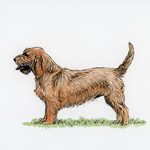
The Basset Fauve De Bretagne is compact and sturdy, with short legs and a body of moderate length that exudes strength without sacrificing agility. Its overall look communicates the breed’s practical origins—a working hound designed for both endurance and movement across varied terrain. Despite its robust build, this dog remains nimble and quick on its feet.
The head bears a slightly domed skull and a well-defined occipital point, balanced by a suitably strong and slightly arched muzzle. Eyes are dark and hazel, set to give an alert and lively expression. The breed’s long ears, set at the level of the eye, are covered with finer, darker, and softer hair than the rest of the coat, folding inwards and ending in a point that extends to the nose when drawn forward.
The coat is a hallmark of the breed: medium in length, very harsh, dense, and flat, never soft or woolly. Coat color ranges from fawn and gold wheaten to red or red wheaten, sometimes with a white spot on the chest. The body is deep-chested with well-rounded ribs and a strong loin, supporting strong, muscular hindquarters and straight forelegs. Feet are tight and compact, with firm pads and short nails, while the tail is set high, thick at the base, and tapers to a point, often carried in a sickle shape as the dog moves. The typical height at the withers ranges from 12½ to 15 inches (32–38 centimeters), giving it an approachable size well-suited for a variety of homes.
Temperament & Behavior
The Basset Fauve De Bretagne is known for its lively, friendly, and adaptable temperament. Whether with its family or working alongside other dogs, this breed demonstrates a cheerful approach and a keen eagerness to participate in activities. It forms close attachments with its owners and is happiest when included in daily life, whether that’s an energetic romp outdoors or some quiet relaxation at home.
Originally bred for scent work, the breed excels as a companion in active households, effortlessly shifting from playful antics to focused tracking if given the opportunity. Its sociable nature means it typically interacts well with children and other dogs, making it an excellent candidate for multi-pet homes. The Basset Fauve De Bretagne’s energy shines in group activities and games, and its willingness to please complements busy family lifestyles.
While this breed does not possess strong guarding tendencies, it may alert its people to the arrival of visitors with a characteristic bark. It is more likely to greet newcomers with curiosity rather than suspicion. Adaptability is a defining feature—the breed can adjust to city or country life, provided its need for exercise and mental engagement is not overlooked. Its genetic roots, shared by other scent and sight hounds such as the Beagle and Greyhound, lend it a dignified demeanor, yet it remains approachable and trustworthy as a companion animal.
Potential owners should be prepared for a breed that brings not only warmth and affection, but also a mischievous curiosity and drive to explore. Consistent training and boundaries are key, as their intelligence and independent streak can sometimes lead them to make their own decisions if left unchecked. The right approach encourages their naturally amenable and cooperative nature to shine through.
Care & Living Needs for the Basset Fauve De Bretagne
The Basset Fauve De Bretagne is a high-energy breed requiring more than two hours of daily exercise. Regular long walks, safe off-leash time, and enrichment activities, such as scent games and puzzle toys, are essential to satisfy its working-dog instincts. Without these outlets, the breed may become unruly or bored, so a commitment to daily activity is crucial.
Thanks to its moderate size, the breed can thrive in smaller homes, but a large and secure garden offers the perfect environment for this dog’s playful and exploratory nature. While adaptable to both town and country, a home with ample outdoor access is ideal. Fenced areas are especially important given the Basset Fauve De Bretagne’s strong prey drive and tendency to follow interesting scents wherever they may lead.
Grooming needs are minimal compared to some other breeds. Its harsh, medium-length coat requires a thorough brushing about once a week to remove loose hair and maintain its texture. The breed does shed, though its coat’s density helps keep shedding manageable. Basic grooming, such as regular ear checks and nail trims, support the breed’s general maintenance.
Mental stimulation is equally important. Training should be fun, varied, and based on positive reinforcement. The Basset Fauve De Bretagne responds well to games and challenges that put its nose to work. Owners looking for a relaxed, low-exercise dog or those unable to dedicate substantial outdoor time may find this breed’s needs a mismatch for their lifestyle.
Health & Common Issues
The provided information does not detail any specific inherited health conditions or risks unique to the Basset Fauve De Bretagne. As with all breeds, a healthy life is best supported with routine veterinary care, balanced nutrition, and consistent exercise appropriate for the breed’s energy level.
Given its active nature, attention to maintaining an appropriate weight, regular exercise, and mental engagement helps keep the Basset Fauve De Bretagne happy and thriving into old age. Owners should also make sure that routine maintenance, such as ear cleaning and dental care, is not overlooked. Regular checks help prevent minor issues from developing unnoticed.
While the breed’s structure and temperament do not suggest any particular health vulnerabilities, screening from a reputable breeder and ongoing observation at home ensure any potential problems are addressed early.
Official Breed Standard Summary
The official breed standard sets out the ideal qualities expected of the Basset Fauve De Bretagne, emphasizing a sound, functional dog with no exaggerations that might impact health or wellbeing. This standard outlines a dog of moderate length, short legs, and a robust yet agile body—reflecting the breed’s origins and intended working role.
Acceptable colors include fawn, gold wheaten, red, and red wheaten, with a permissible white spot on the chest. The coat must be harsh, dense, and flat, never woolly or long. Height at the withers falls between 32 and 38 centimeters (12½–15 inches), but some individual variation is allowed.
The breed’s movement should be quick and free, and the dog must remain well-proportioned with a confident, hardy presence. The standard discourages faults or features that compromise health or movement, and male dogs should have two normally descended testicles. It is recognized that not every dog will match the standard’s prescribed measurements exactly, but the emphasis is on a functional and sound dog above all else.
Frequently Asked Questions about the Basset Fauve De Bretagne
Is the Basset Fauve De Bretagne good for first-time dog owners?
This breed can be a wonderful companion for first-time owners who have an active lifestyle and are committed to providing daily exercise and mental stimulation. Its intelligence and independence may require patience and consistent positive-reinforcement training.
How much exercise does a Basset Fauve De Bretagne need daily?
The Basset Fauve De Bretagne needs more than two hours of exercise every day. A mix of long walks, play, and scent-based activities is ideal to keep this energetic hound content.
Is the Basset Fauve De Bretagne good with children?
Generally, this breed is lively and friendly with children, making it a good addition to an active family. As with all dogs, supervision is advised when interacting with younger children to ensure safe and happy experiences for all.
Can the Basset Fauve De Bretagne live in an apartment?
While its size makes apartment living possible, the breed’s high energy levels and need for outdoor activity mean it does best in homes with access to a large garden or regular outdoor exercise opportunities.
How much grooming does a Basset Fauve De Bretagne need?
Maintenance is straightforward, with weekly brushing typically sufficient to keep its harsh, dense coat in good condition. The breed does shed, so regular grooming also helps manage loose hair.
Are there common health concerns in this breed?
No specific health concerns are indicated for the Basset Fauve De Bretagne in the provided information. General good practices, such as routine vet visits and attention to diet and exercise, support overall health and longevity.


