
Brittany – Breed Information, Traits & Complete Guide
The Brittany stands out as an energetic, medium-sized companion best suited for active individuals and families who appreciate time outdoors. Recognized for its natural instincts as a versatile hunting dog, the Brittany thrives with owners who can provide ample exercise, mental stimulation, and room to roam. This breed seamlessly blends the characteristics of a working dog with that of a devoted family friend.
This gundog breed is celebrated for its affectionate nature, intelligence, and adaptability. The Brittany is equally happy spending the day running in open countryside or curling up with the family after a busy day. For those willing to meet its enthusiasm and activity needs, the Brittany offers years of joy, loyalty, and shared adventure.
- Overview of the Brittany
- Key Characteristics
- Appearance of the Brittany
- Temperament & Behavior
- Care & Living Needs
- Health & Common Issues
- Official Breed Standard Summary
- Frequently Asked Questions
Group: Gundog
Size: Medium
Exercise needs: More than 2 hours per day
Coat length: Medium
Grooming: More than once a week
Shedding: Yes
Lifespan: Over 10 years
Ideal home type: Small house
Town or country: Country
Garden needs: Large garden
Overview of the Brittany
The Brittany traces its origins to the French countryside, originally bred as an agile, multi-talented bird dog. Known in its homeland as the Epagneul Breton, the breed evolved from local spaniels, with later influence from English Setter and Pointer bloodlines. The result is a compact, cobby dog with refined scenting ability, an innate talent for pointing and retrieving, and a work ethic that has cemented its place as a true hunt, point, and retrieve (HPR) breed.
Throughout its history, the Brittany has proven itself not only in the field, but as a valued household companion. The breed’s name and profile were refined in the early twentieth century, reflecting its evolution and the popularity gained by these natural talents. A distinctive feature is the Brittany’s often naturally short or even tailless appearance, which remains a hallmark of the breed.
This breed is best suited to households that can offer regular activity, outdoor access, and attentive companionship. Active owners, those living in rural settings, or families with secure gardens find the Brittany an energetic partner for adventure and daily life.
Key Characteristics
- Energy level – Exceptionally high; requires plenty of physical exercise and mental engagement.
- Trainability – Eager to please and intelligent, the Brittany responds well to consistent, positive training techniques.
- Intelligence – Renowned for quick learning and sharp problem-solving instincts, especially in the field.
- Prey drive – Strong hunting instincts; thrives with scent-focused games and activities.
- Social needs – Enjoys the company of humans and often gets along well with other dogs when socialized.
- Compatibility with families and children – Generally gentle and affectionate, making it a good choice for active families with older children.
- Compatibility with other dogs – Usually sociable with other dogs, especially when properly introduced.
- Guarding or watchdog tendencies – Not typically a guarding breed, but will alert owners to new arrivals or unusual activity.
- Adaptability to city or country life – Best suited for country living or spacious suburban homes with gardens; less comfortable in cramped urban apartments.
- Best suited owner type – Energetic people or families who can devote time to daily exercise and interaction.
- Typical daily routine – Involves long walks, play sessions, mental challenges, and social interaction throughout the day.
Appearance of the Brittany
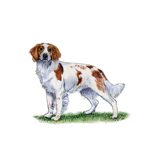
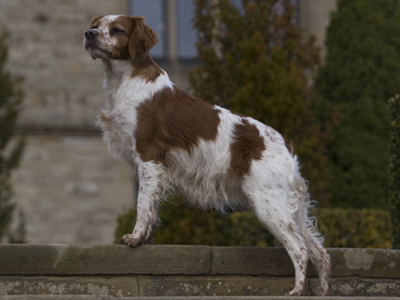
The Brittany presents a balanced, workmanlike figure, marked by a square and cobby frame that combines athleticism with substance. Typically medium in size, the ideal height ranges from 47 to 51 centimeters (about 18.5 to 20 inches) at the shoulder, with females on the slightly smaller end of the spectrum. Despite their solid build, Brittanys avoid any heaviness, maintaining a lively and alert posture that reflects their energetic nature.
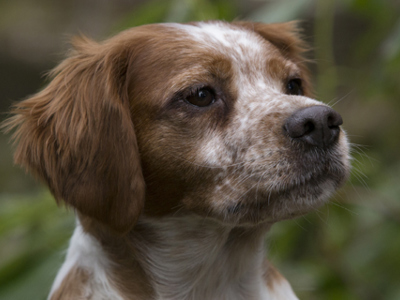
The head of the Brittany is distinctly expressive, with a slightly rounded skull and well-proportioned, tapered muzzle. Eyes are oval, set a touch obliquely, and always expressive, displaying shades from brown to dark in harmony with the coat. Their triangular ears sit high on the head, lying close to the cheeks, with just a hint of a wave to the hair, and reach only as far forward as the stop.
The body is compact, with a deep chest reaching to the elbow, well-rounded ribs, and a short, strong back. The topline slopes gently from the withers to the croup, leading to a tail that is either naturally short, undocked, or customarily docked in accordance with tradition. Limbs are strong and straight, with muscular thighs and forearms, and feet that are compact and tightly knit.
Coat is an important feature of the Brittany, being dense but fine, generally flat or slightly wavy, and medium in length. Feathering is seen on the forelegs and hindquarters, offering both protection and elegance. The breed is most often seen in striking color combinations including orange and white, liver and white, black and white, or various tricolors and roans, often with unique markings highlighted around the face, legs, and tail. Any color outside these accepted standards is considered undesirable.
Temperament & Behavior
The Brittany is defined by its gentle, affectionate disposition, paired with a zest for life that is unmistakable in both work and play. Calm and loving when with family, this breed also bursts with energy when given the chance to explore or engage in stimulating activities. This combination of warmth and enthusiasm has played a significant part in its popularity among active families and sporting enthusiasts alike.
In the home, Brittanys tend to bond closely with their owners, thriving on inclusion, attention, and shared activities. Their intelligence and eagerness to learn make them responsive to positive training, while their lively spirit ensures there is never a dull moment. With children, they are typically gentle companions, although their exuberance and energy are best matched with families who can provide structure and outlet for play.
The breed’s roots in fieldwork are apparent in its natural game sense and persistence. Brittanys excel as companions for outdoor pursuits, but these same drives can translate to strong prey instincts and a love for tracking scents, which may require dedicated recall training and secure boundaries in outdoor spaces. While sociable, some Brittanys may be reserved with strangers, but rarely show aggression. They generally mix well with other dogs, especially when socialized from a young age.
Brittanys are not strong guard dogs by nature, but their alertness makes them quick to notify owners of anyone approaching the home. A lack of sufficient mental and physical stimulation may lead to restlessness or boredom, so the happiest Brittanys are those whose talents are engaged and appreciated daily.
Care & Living Needs for the Brittany
This breed boasts impressive stamina and requires over two hours of exercise each day. Owners must be ready to provide long walks, off-leash running in safe areas, or active play sessions. Access to a large, secure garden is ideal, and a small house is suitable as long as the Brittany’s energy needs are met. The breed feels most at home in the country where open spaces allow it to flourish, but it can adapt to suburban life with the right commitment to activity.
Grooming needs are moderate. The Brittany’s medium-length coat should be brushed more than once a week to remove loose hair and prevent tangles, particularly in the feathered areas of the legs. As the coat does shed, especially during seasonal changes, regular grooming will help manage loose hair in the home. Bathing can be done as needed, depending on the dog’s activity level and outdoor exposure.
Enrichment goes beyond physical exercise. Regular training sessions, scent games, interactive toys, and new experiences will keep the Brittany mentally sharp and satisfied. Due to their intelligence and sensitivity, gentle guidance and consistent positive reinforcement yield the best results. Early socialization helps the breed develop into a well-mannered adult, used to different people, places, and animals.
While adaptable in many ways, the Brittany is not recommended for owners with sedentary lifestyles or those unable to provide adequate exercise. Cramped apartments with limited outdoor space may cause frustration in this active breed. Potential owners should consider their ability to meet these daily needs before welcoming a Brittany into their life.
Health & Common Issues
Brittanys are known for robust health and can enjoy long lifespans when provided with appropriate care, good nutrition, and regular veterinary check-ups. While the dataset does not specify particular health concerns within the breed, standard wellness routines should always be followed. Regular visits to the veterinarian ensure that routine vaccinations, parasite prevention, and dental cleanings are up to date.
Maintaining an ideal weight, especially given the breed’s athletic background, helps lessen the risk of strain on joints and keeps the Brittany active into older age. Routine grooming also provides the perfect opportunity to monitor skin and coat condition, check ears for debris or infection, and keep nails trimmed to avoid discomfort.
As with any breed, it is important to stay alert to changes in movement, appetite, or behavior and discuss these with a health professional. Engaging your Brittany in an active lifestyle, while balancing rest days and mindful training, goes a long way in supporting their well-being across all life stages.
Official Breed Standard Summary
The official breed standard defines the Brittany as a medium-sized, cobby, and lively dog with substance but without heaviness. The ideal qualities emphasize soundness, an intelligent and expressive look, and a bracing energy that must never compromise the dog’s health or well-being. Absolute soundness and functionality are highlighted, with breeders and owners encouraged to avoid exaggerations that might hinder the breed’s capacity for traditional work.
Appearance-wise, the Brittany should measure between 47 and 51 centimeters at the withers, following a square outline. The coat is a defining element, being dense yet fine, flat or slightly wavy, with well-feathered limbs. Acceptable color combinations include orange and white, liver and white, black and white, tricolors, and their respective roans, with particular attention paid to traditional markings. Any colors outside these standards are not accepted.
Movement should be brisk and efficient, with a short stride and minimal rear extension while retaining a level topline in motion. The breed standard carefully spells out desirable and undesirable traits, stating that any deviation from these ideals should be weighed according to the health and functional impact. Male dogs are expected to have both testicles fully descended.
For prospective puppy buyers, the breed standard offers a guide but allows that individual dogs may fall outside the specified height or weight range. The focus remains on preserving a healthy, functional, and true-to-type Brittany, whether in the field or as a loving companion at home.
Frequently Asked Questions about the Brittany
Is the Brittany good for first-time dog owners?
The Brittany can suit first-time dog owners who are active, committed, and willing to invest time in exercise and training. Their intelligence and energy require structure and engagement, so new owners should be prepared for an active lifestyle.
How much exercise does a Brittany need daily?
This breed thrives on more than two hours of exercise per day. Long walks, runs, or off-leash activities in a safe area are ideal to keep the Brittany happy and healthy.
Is the Brittany good with children?
Brittanys are generally gentle and affectionate with children, especially in families that enjoy activity and outdoor play. Care is needed around small children, as the breed’s exuberance can sometimes lead to accidental knocks.
Can the Brittany live in an apartment?
While adaptable, the Brittany is best suited to homes with space to move and a large garden. Apartment living is not ideal unless the owner can provide substantial daily exercise and outdoor access.
How much grooming does a Brittany need?
The breed benefits from brushing more than once a week to keep its medium-length coat healthy and free from tangles. Regular grooming also helps control shedding and keeps the dog comfortable.
Are there common health concerns in this breed?
The data does not point to specific health concerns unique to the Brittany. Regular veterinary care, preventive health routines, and attention to diet and exercise will support a long, healthy life for this breed.


