
Braque D’Auvergne – Breed Information, Traits & Complete Guide
The Braque D’Auvergne is a robust pointing breed with French roots, suited for active owners who appreciate the companionship of a devoted and versatile gundog. Originally bred for work in rugged terrain, this breed offers both elegance and strength, making it well-matched for experienced handlers or families with ample outdoor space.
Bringing a Braque D’Auvergne into your home means welcoming a loyal, gentle, and intelligent companion. While highly valued as a hunter, this breed’s affectionate nature and adaptability make it equally at home as a family dog, provided their significant exercise and mental stimulation needs are met.
- Overview of the Braque D’Auvergne
- Key Characteristics
- Appearance of the Braque D’Auvergne
- Temperament & Behavior
- Care & Living Needs
- Health & Common Issues
- Official Breed Standard Summary
- Frequently Asked Questions
Group: Gundog
Size: Large
Exercise needs: More than 2 hours per day
Coat length: Short
Grooming: Once a week
Shedding: Yes
Lifespan: Over 10 years
Ideal home type: Large house
Town or country: Country
Garden needs: Large garden
Overview of the Braque D’Auvergne
Originating from the mountainous Cantal region in Auvergne, mid-southern France, the Braque D’Auvergne is a breed steeped in the tradition of European hunting dogs. Developed for endurance and versatility, these dogs have historically worked alongside hunters over diverse and challenging terrains, proving themselves as reliable partners who can track, point, and retrieve game.
This breed’s recent introduction to the UK was championed by enthusiasts eager to showcase its remarkable working abilities. The Braque D’Auvergne stands out for its adaptability—as much at home staunchly pointing in the field as relaxing quietly with its family after a day’s activity. Its substantial build, combined with a gentle demeanor, accounts for the breed’s rising popularity both as a sporting companion and as part of active households.
Sensible and steadfast, the Braque D’Auvergne requires owners who are committed to providing plenty of exercise, mental stimulation, and companionship. Its temperament and energy levels suit rural living and homes with large gardens, making it a fine choice for those seeking an all-purpose dog able to transition seamlessly between work and family life.
Key Characteristics
- Energy level – Highly energetic and requires consistent, vigorous daily activity to stay content.
- Trainability – Responds well to positive reinforcement, eager to learn, and easy to motivate due to a strong desire to please.
- Intelligence – Intelligent and quick to understand new commands, excelling in both fieldwork and general obedience.
- Prey drive – Retains a well-developed hunting instinct, thriving when given opportunities to track or fetch.
- Social needs – Enjoys regular interaction with people and other dogs, forming deep family bonds.
- Compatibility with families and children – Gentle, affectionate, and adapts well to family environments, including those with children.
- Compatibility with other dogs – Generally sociable, fitting in well with other dogs when properly introduced and socialized.
- Guarding or watchdog tendencies – Not typically a natural guard dog, but its size and presence may act as a deterrent.
- Adaptability to city or country life – Best suited to country settings; large, open areas support its need for exercise and exploration.
- Best suited owner type – Active individuals or families committed to daily outdoor activities and consistent training routines.
- Typical daily routine – Benefits from structured exercise sessions, interactive games, and companionship both indoors and outdoors.
Appearance of the Braque D’Auvergne
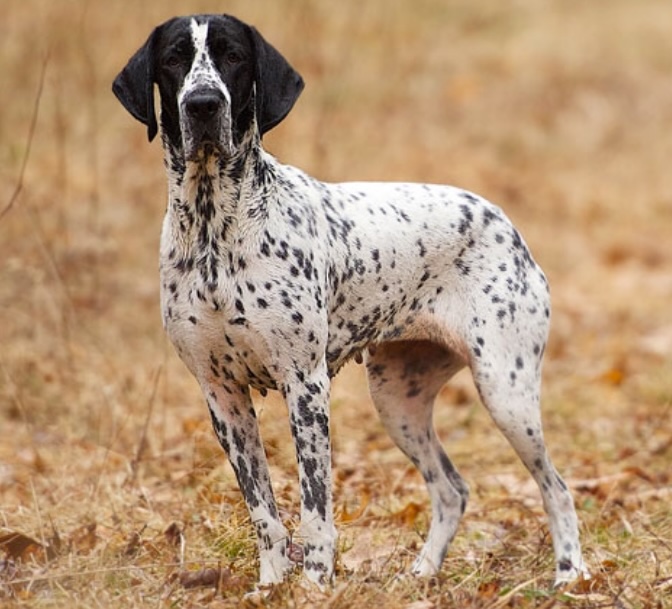
The Braque D’Auvergne presents a striking blend of athleticism and elegance. A medium-to-large sized dog, it is robust and strongly boned, with a build heavier than that of many other pointing breeds. Its balanced proportions mean the body is just slightly longer than its height at the withers, contributing to a harmonious and substantial silhouette. Ideal height for males ranges from 57 to 63 centimeters, and for females from 53 to 59 centimeters, with allowances for individual variation.
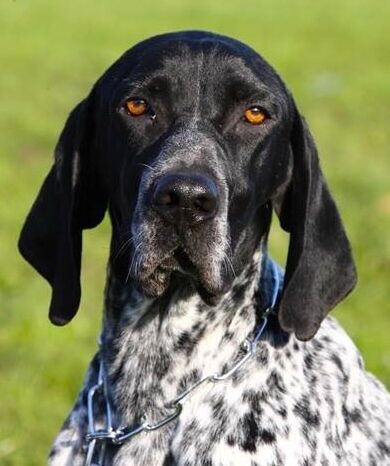
The breed is renowned for its short, glossy coat, which is never hard or too fine. The hallmark colors are black and white in either a ticked or roan pattern, often creating a blue impression, while black patches are common. The head and ears are predominantly black, which complements the blue-tinted black and white body. Only black and white colorations are acceptable within the breed standard, and solid colors or off-standard markings are not desired.
The Braque D’Auvergne’s expression is kind and open, with large, oval, dark hazel eyes set in a well-proportioned head. The skull is nearly oval when viewed from above with a prominent occiput and strong, level muzzle. Ears are supple, slightly satiny, and set low, lending a gentle look. The breed features a strong, slightly arched neck, muscular shoulders, and a level topline. The body boasts an oval ribcage with a moderate tuck-up, conveying both agility and endurance. The tail is set high, carried horizontally, and either undocked—ending above the hocks—or docked to a specific length.
Movement is characterized by a light, supple, and steady trot, showing the breed’s capacity for covering vast distances with grace. Feet are oval and tightly knit, a testament to the breed’s resilience in even the most challenging terrains.
Temperament & Behavior
At home, the Braque D’Auvergne is defined by its gentle, affectionate, and obedient nature. This breed thrives on human companionship, displaying intelligence and eagerness to be involved in family life. Its adaptable temperament makes it a rewarding dog for both experienced handlers and attentive families willing to invest time and energy into training and play.
Versatility is at the heart of this breed. Bred as an all-purpose hunting companion, the Braque D’Auvergne possesses a natural ability to scent, point, and retrieve game. This tendency to work closely with handlers translates well into domestic life, as the breed is attuned to its owners and keen to engage in cooperative activities. Its patience and calm demeanor support harmonious relationships with children and are suitable for integration into multi-dog households when properly socialized.
Social and good-natured, the breed is less likely to be reserved or aloof. While not typical watchdogs, their size and confident presence can provide families with a reassuring sense of security. Their low aggression and willingness to join in group activities underscore their reputation as ideal family companions for active households.
Owners must, however, account for the dog’s working background. The Braque D’Auvergne requires meaningful interaction and regular opportunities for mentally stimulating exercise. Without these outlets, the breed’s high intelligence and energy may lead to restlessness or unwanted behaviors.
Care & Living Needs for the Braque D’Auvergne
Daily exercise is non-negotiable for the Braque D’Auvergne . This breed thrives on active outings and needs more than two hours of physical activity each day to stay happy and healthy. Activities like long hikes, running, and interactive games—such as fetch or scent work—are highly recommended to channel their abundant energy productively.
Given its large size and energetic disposition, this breed requires a spacious home environment. A large house with a secure, ample garden is ideal, particularly one located in the countryside. Urban or apartment living is generally not suited to the Braque D’Auvergne as it may restrict their need to move, explore, and fulfill their working instincts.
Grooming demands are modest thanks to the breed’s short, glossy coat. Brushing once a week is usually enough to keep shedding under control and maintain coat health. The breed does shed, so regular care helps minimize loose hair around the home. Routine checks of ears, nails, and teeth will keep your Braque D’Auvergne in tip-top condition.
In addition to physical activity, mental stimulation is crucial. Training should be consistent yet engaging, incorporating positive reinforcement and varied activities. This keeps the intelligent Braque D’Auvergne challenged and responsive. The breed is not ideal for those seeking a low-energy or low-maintenance companion, or for households unable to provide daily exercise and enrichment.
Health & Common Issues
No specific common health problems are highlighted for the Braque D’Auvergne within the available data. As a substantial, active breed, general best practices include monitoring weight, maintaining dental hygiene, and ensuring proper joint care through measured exercise routines and a balanced diet.
Routine veterinary checkups are essential for early detection of health issues and ongoing care. Owners should remain attentive to any signs of discomfort or changes in movement, vision, or appetite. Regular grooming and ear cleaning will also help reduce the risk of minor health concerns.
Providing a healthy lifestyle—rich in exercise, appropriate nutrition, and mental engagement—will support the Braque D’Auvergne in enjoying a typical lifespan of over ten years. As with all dogs, a close working relationship with a reputable veterinarian is the best safeguard for long-term health and well-being.
Official Breed Standard Summary
The official breed standard for the Braque D’Auvergne describes a robust, medium-to-large dog with strong bone and slightly heavier build than some other pointers. The ideal dog is capable of endurance and elegance, moving with a light, supple gait that covers ground efficiently, even in rugged conditions. Soundness and moderation in all features are paramount; exaggerated traits are discouraged to preserve both health and working ability.
Important breed features include a long head with slight divergence between the planes of the skull and muzzle, large expressive eyes, and supple, satiny ears set low. The coat stands out for being short, glossy, and exclusively black and white, either roan or ticked patterns, sometimes with solid black patches. Other colors or prominent tan markings are not acceptable within the breed standard.
Ideal male height at the withers is about 60 centimeters and for females, 56 centimeters, with small tolerances on either side. Structure, balance, and temperament take precedence over strict adherence to size. All dogs should present with firm, oval feet, a straight topline, and a tail carried horizontally. The breed’s movement is steady, long-striding, and unexaggerated.
Any faults are to be judged in proportion to their impact on health or traditional working abilities. The breed standard emphasizes moderation, soundness, and maintenance of the traits required for a capable gundog. Prospective owners should note that some individual dogs may fall outside the precise measurements described, but overall functionality and temperament remain key priorities.
Frequently Asked Questions about the Braque D’Auvergne
Is the Braque D’Auvergne good for first-time dog owners?
This breed may be challenging for first-time dog owners due to its high energy and need for consistent exercise and training. Those who are dedicated and willing to invest time in active engagement, however, can enjoy a very rewarding relationship.
How much exercise does a Braque D’Auvergne need daily?
The Braque D’Auvergne requires more than two hours of vigorous activity each day. This can include walks, runs, playtime, and mentally stimulating tasks to help fulfill its working instincts.
Is the Braque D’Auvergne good with children?
Yes, this breed is gentle, affectionate, and adapts well to family life. With proper socialization and supervision, the Braque D’Auvergne makes a loving companion for children.
Can the Braque D’Auvergne live in an apartment?
Apartment living is not recommended for this breed. The Braque D’Auvergne thrives in spacious homes with large gardens and rural settings where it can expend energy safely.
How much grooming does a Braque D’Auvergne need?
Grooming requirements are modest due to the breed’s short, glossy coat. Brushing once a week will generally manage shedding and keep the coat in good condition.
Are there common health concerns in this breed?
No specific health issues are noted for the Braque D’Auvergne . Routine veterinary care, weight management, and regular exercise will help maintain overall health.


