
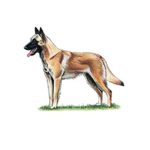
What Are the Traits and Care Tips for the Belgian Shepherd Dog (Malinois)?
The Belgian Shepherd Dog (Malinois) is a versatile and dynamic breed, well-respected for its intelligence and adaptability. Frequently chosen for demanding roles such as police or service work, the Malinois also brings dedication and loyalty into the home for those able to meet its needs. This breed stands out with its keen instincts, eagerness to work, and a natural inclination to protect.
Best suited for active individuals or families with ample space and a love of outdoor pursuits, the Malinois thrives with structure, mental challenges, and meaningful engagement. For those seeking a dog that is agile, attentive, and deeply bonded with its people, this robust herder and guardian dog offers a rewarding—if demanding—canine companion.
- Overview of the Belgian Shepherd Dog (Malinois)
- Key Characteristics
- Appearance of the Belgian Shepherd Dog (Malinois)
- Temperament & Behavior
- Care & Living Needs
- Health & Common Issues
- Official Breed Standard Summary
- Frequently Asked Questions
Group: Pastoral
Size: Medium-Large
Exercise needs: More than 2 hours per day
Coat length: Medium
Grooming: More than once a week
Shedding: Yes
Lifespan: Over 10 years
Ideal home type: Large house
Town or country: Either
Garden needs: Large garden
Overview of the Belgian Shepherd Dog (Malinois)
The Belgian Shepherd Dog (Malinois) has deep roots in Belgium, with sheepdogs of this type found as far back as the Middle Ages. Originally bred as herding dogs, these agile canines are celebrated for their blend of grace, strength, and resilience. Distinguished by their short, dense coat and black-masked faces, Malinois belong to a family of Belgian Shepherds that also includes the Groenendael, Tervueren, and Laekenois, each differing primarily in coat and color.
The Malinois quickly gained recognition for its utility and sharp instincts, leading to its widespread use not just in herding but also as a service dog for police and armed forces. Owners value the breed’s extraordinary alertness, keen intelligence, and appetite for work. These qualities make the Belgian Shepherd Dog (Malinois) an excellent choice for active dog owners who can provide ample exercise, training, and tasks to keep their canine partner engaged.
This breed suits individuals or families with an active lifestyle and a secure home environment. They enjoy plenty of space and thrive when provided with purposeful work or play. Those able to invest time and energy into their Malinois will be rewarded with a fiercely loyal, vigilant companion well-adapted to a variety of roles.
Key Characteristics
- Energy level – Exceptionally high; the Malinois requires vigorous physical and mental activity every day.
- Trainability – Highly trainable and responsive, thriving on clear guidance and positive reinforcement.
- Intelligence – Among the most intelligent dog breeds, capable of learning complex tasks and commands.
- Prey drive – Strong herding and prey drive, a legacy of its working heritage.
- Social needs – Bonds deeply with its owner; generally reserved with strangers but devoted at home.
- Compatibility with families and children – Loyal and protective; best with confident, respectful children and an experienced owner.
- Compatibility with other dogs – Can cohabit peacefully if well-socialized from an early age.
- Guarding or watchdog tendencies – Naturally vigilant and protective, makes an excellent watchdog.
- Adaptability to city or country life – Can adapt to either, provided it receives ample exercise and mental stimulation.
- Best suited owner type – Active owners or families with experience handling energetic, intelligent breeds.
- Typical daily routine – Benefits from structured activities: long walks, training sessions, play, and purposeful jobs.
Appearance of the Belgian Shepherd Dog (Malinois)
The Belgian Shepherd Dog (Malinois) presents a medium-to-large frame that blends robust strength with refined elegance. Square in outline, the body is muscular, lean, and firmly toned, yet avoids extremes or heaviness. The Malinois moves with effortless confidence, marked by an attentive, alert demeanor and a proud head carriage.
Distinctive facial features include a long, balanced head with the skull and muzzle roughly equal in length. The muzzle gently tapers to a black nose, showing a noble expression. Eyes are slightly almond-shaped, brown in color, and exhibit a direct, intelligent look. Ears are distinctly triangular, set high and carried erect when the dog is attentive, contributing to a lively, watchful impression. The mouth features strong jaws and a correct scissor bite, with lips that are thin and tight.
The Malinois’ neck is of moderate length and arches gracefully, blending into well-muscled shoulders. The body remains compact and square, with a deep chest reaching down to the elbows and a strong, straight topline. The back is short and the loin is well-muscled. Hindquarters are powerful and moderately angulated, supporting the dog’s brisk, efficient gait. Feet are compact and arched, facilitating agility and endurance, while the tail is firmly set, of medium length, and often curves gently upward when in motion.
The breed’s coat is characteristically short and dense on the head, ears, and lower legs, slightly longer on the body especially around the neck, tail, and hindquarters. The Malinois exhibits a “collar” of thicker fur around the neck, distinguishing it from its long-haired relatives. Acceptable coat colors range through all shades of red, fawn, and gray, often accompanied by a black overlay and a distinctive black mask on the face. Some frosting (white or grey) on the muzzle, as well as minor white markings on the forechest and toes, can be found in the breed.
Height typically lands between 24–26 inches (61–66 cm) for males and 22–24 inches (56–61 cm) for females, with weight always in proportion to overall size and build.
Temperament & Behavior
The Belgian Shepherd Dog (Malinois) embodies a temperament that is intelligent, naturally alert, and permanently vigilant. Dedicated to its family, this breed tends to form strong bonds and demonstrates unwavering loyalty. While initially reserved with strangers, the Malinois does not display nervousness or unprovoked aggression. Instead, it calmly appraises new situations with a steady, reflective demeanor.
At home, the Malinois is both attentive and eager to be involved in daily activities. Its history within the Pastoral Group—those breeds designed for herding and managing livestock—instills in it a desire to be purposefully engaged and mentally challenged. Watchful by nature, the breed often assumes the role of family guardian, quickly alerting to anything out of the ordinary and ready to protect its territory if the need arises.
Interactions with children and other animals generally go well when the dog is socialized early and consistently. Given their size, energy, and protective instincts, supervision is important with young children or other pets. This breed excels with confident owners able to provide structure and routine, rewarding that leadership with remarkable companionship and enthusiasm for shared endeavors.
Like many working breeds, the Malinois flourishes when given responsibility. Its drive and trainability have earned it a place in demanding professions; at home, these same qualities can be harnessed through advanced training, canine sports, or daily jobs around the house or garden.
Care & Living Needs for the Belgian Shepherd Dog (Malinois)
The Belgian Shepherd Dog (Malinois) is a high-energy breed requiring more than two hours of vigorous exercise each day. This need for activity makes it best suited to a large house with a spacious, secure garden, where running, games, and obedience training can take place safely. The breed adapts to both rural and urban environments, provided it has consistent outlets for its mental and physical energy.
Grooming requirements for the Malinois are moderate. Its medium-length double coat benefits from brushing more than once a week to manage shedding and maintain a healthy appearance. While the breed does shed, regular grooming helps minimize loose hair and keeps the coat in good condition. Attention should also be paid to nail trimming, ear checks, and dental hygiene.
Mental stimulation is just as important as physical exercise for this intelligent breed. Training sessions, puzzle toys, advanced obedience, and games such as fetch or scent work help channel its drive constructively. The Malinois is particularly responsive to positive reinforcement and clear boundaries, making consistent training essential from puppyhood onward.
This breed is not ideal for sedentary lifestyles or for those who cannot provide sufficient time and structure. The Malinois thrives when given purposeful activities and plenty of companionship. Without these, the dog may become bored or develop unwanted habits stemming from under-stimulation.
Health & Common Issues
Meeting the needs of a Belgian Shepherd Dog (Malinois) begins with providing a balanced lifestyle—ample exercise, proper nutrition, and routine veterinary visits all help support long-term health. As a robust, working breed, the Malinois is generally considered hardy and long-lived, often exceeding ten years when well cared for.
Good joint care is important due to the breed’s athleticism and energetic lifestyle. A healthy weight should be maintained to prevent undue strain on bones and joints. Owners should monitor mobility and consult with veterinarians regularly, especially as dogs mature into senior years.
The double coat requires routine checks to keep skin healthy and prevent matting or excessive shedding. Basic care for eyes, ears, and teeth should be part of regular grooming. Regular health screenings and early attention to any changes in behavior or physical condition help maintain well-being through all life stages.
Official Breed Standard Summary
The official breed standard for the Belgian Shepherd Dog (Malinois) defines the ideal characteristics, appearance, and temperament expected of the breed. Malinois should be medium-sized, agile, and robustly built, displaying a harmonious blend of elegance and strength. The breed is square in proportion, with a strong, short back and a proud, attentive bearing. Distinctive coat characteristics help set apart each variety; the Malinois is known for its short, dense coat, accentuated by a collar of thicker fur around the neck and some longer hair on the tail and hindquarters.
Coat color for the Malinois encompasses all shades of red, fawn, and grey, always with a characteristic black mask and overlay. A small amount of white on the forechest or toes is tolerated, but any variation in type or unacceptable colors is discouraged. The movement should be brisk and efficient, maintaining a firm topline and covering ground with economical action.
Faults or deviations from the standard should be evaluated based on their degree and the impact on health, welfare, and functionality. The standard aims to ensure that Malinois are fit for their original purposes as herders and guardians, emphasizing absolute soundness and balanced proportions. Males must show normal testicular development, and size should remain within the established guidelines, allowing for some variation.
The standard notes that size descriptions serve only as a guideline; individual dogs may fall outside ideal measurements but still embody the breed’s essential qualities. Responsible owners and breeders should always prioritize the health and well-being of their dogs above strict adherence to measurements.
Frequently Asked Questions about the Belgian Shepherd Dog (Malinois)
Is the Belgian Shepherd Dog (Malinois) good for first-time dog owners?
The Malinois is best suited for experienced owners familiar with active, intelligent breeds. Its energy and training needs can be overwhelming for those new to dog ownership.
How much exercise does a Belgian Shepherd Dog (Malinois) need daily?
This breed requires more than two hours of vigorous exercise each day, including walks, play, and mentally stimulating activities to remain happy and healthy.
Is the Belgian Shepherd Dog (Malinois) good with children?
The Malinois is loyal and protective with its family and can do well with children who are respectful and confident. Early socialization and supervision are recommended.
Can the Belgian Shepherd Dog (Malinois) live in an apartment?
While adaptable, the Malinois thrives best in a large house with a secure, spacious garden due to its high activity level. Apartment living is not generally recommended unless exceptional exercise and mental stimulation are provided daily.
How much grooming does a Belgian Shepherd Dog (Malinois) need?
The Malinois requires brushing more than once a week to keep its medium-length, double coat manageable and healthy. Regular grooming helps control shedding and keeps the coat looking its best.
Are there common health concerns in this breed?
The breed is generally robust, but like all active dogs, benefits from regular vet checks, good joint care, and attention to weight management. Overall, Malinois are known for their hardiness when properly cared for.


