
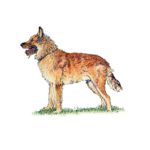
What Are the Traits and Care Tips for the Belgian Shepherd Dog (Laekenois)?
The Belgian Shepherd Dog (Laekenois) stands out as a herding breed with striking intelligence, loyal temperament, and a unique wiry coat. This distinctive member of the Pastoral group is ideally suited for active families or individuals who want an energetic and attentive companion capable of excelling as both a working dog and a devoted household member.
While their history is rooted in shepherding and guarding, Laekenois are also known for their affectionate nature and adaptability to committed homes. Owners ready for a partnership with a sharp-minded, versatile dog will find the Laekenois eager to learn, protective, and deeply devoted. Their lively character matches well with those who appreciate dogs that thrive on activity and close interaction.
- Overview of the Belgian Shepherd Dog (Laekenois)
- Key Characteristics
- Appearance of the Belgian Shepherd Dog (Laekenois)
- Temperament & Behavior
- Care & Living Needs
- Health & Common Issues
- Official Breed Standard Summary
- Frequently Asked Questions
Group: Pastoral
Size: Medium-Large
Exercise needs: More than 2 hours per day
Coat length: Medium
Grooming: More than once a week
Shedding: Yes
Lifespan: Over 10 years
Ideal home type: Large house
Town or country: Either
Garden needs: Large garden
Overview of the Belgian Shepherd Dog (Laekenois)
The Belgian Shepherd Dog (Laekenois) has deep historical roots, tracing its ancestry to Middle Age Belgium where it served as a trusted sheepdog. Among the four Belgian Shepherd varieties, the Laekenois is easily recognized by its rough, wiry coat and reddish-fawn coloration with black shadings. The breed takes its name from the Château of Laeken, in honor of Queen Marie Henriette who admired this particular type. Over the years, the Laekenois has evolved from a working farm dog into a versatile companion and protector, all while maintaining its strong herding instincts and characteristic vigilance.
This breed’s design was shaped by functional needs: agility, speed, and stamina were priorities, making the Laekenois well-equipped to herd and guard flocks across Belgian fields. Its reputation for intelligence and adaptability has led to wider roles, including work with law enforcement and the armed forces. Despite the breed’s working heritage, it has an affectionate side and forms strong bonds with its family. Owners seeking a dog that combines physical capability with companionship will find the Laekenois rewarding, but its energy and needs suit those ready for daily interaction and activity.
The Laekenois is best matched with households prepared to dedicate time to exercise, training, and mental challenges. Whether in the city or countryside, these dogs need space and purpose, thriving in environments where their talents are both appreciated and utilized. Experienced dog handlers or active individuals are especially likely to enjoy the breed’s enthusiasm for work and play.
Key Characteristics
- Energy level – Very high, requiring more than two hours of exercise and play per day.
- Trainability – Responds well to positive training and enjoys having tasks to complete.
- Intelligence – Exceptionally smart, with keen problem-solving abilities and awareness.
- Prey drive – Bred to herd and guard, may exhibit herding instincts and alert tendencies.
- Social needs – Builds strong attachments to owners, but may be reserved with strangers.
- Compatibility with families and children – Devoted and loyal; can be a good companion for responsible children when socialized early.
- Compatibility with other dogs – Generally cooperative with familiar dogs, but may be selective due to guarding instincts.
- Guarding or watchdog tendencies – Naturally vigilant and alert, making the breed excellent at watching over home and family.
- Adaptability to city or country life – Versatile enough for both, provided exercise and mental needs are met.
- Best suited owner type – Active individuals, experienced dog owners, and families committed to training and physical activity.
- Typical daily routine – Includes long walks, playtime, purposeful training, and interactive engagement throughout the day.
Appearance of the Belgian Shepherd Dog (Laekenois)
The Belgian Shepherd Dog (Laekenois) is a medium-to-large breed with a square, balanced build that reflects its history as a herding dog. Males typically stand between 24 and 26 inches at the withers, with females slightly smaller at 22 to 24 inches. They present an overall impression of elegance and strength without exaggeration, clearly built for athleticism and stamina.
The head is long and well-proportioned, with a subtle taper toward a black nose. Erect, triangular ears are set high and carried upright, giving the breed its attentive and expressive appearance. The eyes are slightly almond-shaped, with a lively and enquiring look, and are ideally a dark brown color, surrounded by black eyelid rims.
The Laekenois variety is instantly distinguished by its harsh, wiry coat in a reddish-fawn color with black shading, especially around the muzzle and tail. This coat type is medium in length and requires regular brushing to maintain its unique texture and prevent matting. The body should be square and powerful yet retain an elegant outline. The tail is strong and set firmly, hanging down at rest with a slight backward curve at the tip.
Feet are compact, arched, and well-padded for movement over varied terrain, and the overall stance is confident and alert. Both forequarters and hindquarters are well-muscled, providing the efficiency and brisk, light gait characteristic of the breed. The Laekenois is visually striking not just for its coat but for its balanced, athletic shape and dynamic presence.
Temperament & Behavior
The Belgian Shepherd Dog (Laekenois) is prized for its intelligence, alertness, and unwavering dedication to its owners. While initially reserved, these dogs quickly form close bonds and display remarkable loyalty. They thrive on companionship and are happiest when involved in family activities or given meaningful work to do.
Given their origins as herding and guardian dogs, Laekenois are naturally watchful and can be protective of their home and loved ones. This makes them excellent watchdogs, as they will always keep an eye on their surroundings without being unnecessarily reactive or aggressive. Proper socialization from an early age helps them distinguish between genuine threats and normal everyday encounters, allowing them to develop stable, trustworthy personalities.
These dogs get along well with children and family members when properly introduced, but their energy and size call for respectful interactions, especially with smaller children. Belgian Shepherds often enjoy having other canine companions, though early and ongoing socialization helps ensure harmony with other pets. Supervision is advised when introducing new animals, given their herding tendencies.
As part of the Pastoral group—renowned for herding and guarding livestock in harsh conditions—the Laekenois is hardwired to be active, industrious, and mentally engaged. This breed is at its best with owners who value partnership, challenge, and being involved in daily life. Left without enough mental or physical stimulation, the Laekenois can become bored or develop unwanted behaviors, so their owners should be ready to offer plenty of structured interaction, play, and purpose.
Care & Living Needs for the Belgian Shepherd Dog (Laekenois)
The Belgian Shepherd Dog (Laekenois) thrives on activity and requires more than two hours of physical exercise every day. Long walks, play sessions, and activities such as agility, herding games, and obedience training are ideal for burning off energy and engaging this breed’s mind. Access to a large, securely fenced garden is beneficial, giving the dog space to run and explore safely between outings.
This breed is best suited to a spacious home, preferably with access to a garden, though they can adapt to town or country life if their significant exercise needs are met. While the Laekenois is adaptable, a small apartment with little access to outdoor space is not ideal. They are most comfortable in large houses where they can move about freely and remain close to family members.
Grooming for the Laekenois differs from other shepherd varieties, with its distinct wiry coat requiring thorough brushing more than once a week. This prevents matting and helps remove loose hairs, as the breed does shed. Occasional hand-stripping may help maintain coat texture, though the breed does not require frequent bathing. Routine ear cleaning, nail trimming, and dental care are also advised to keep them in good health.
In addition to physical outlets, Laekenois benefit greatly from structured mental stimulation. Obedience, trick training, scent work, and interactive toys are all effective in keeping their agile minds satisfied. Early socialization and positive reinforcement are key to guiding their natural alertness and ensuring they develop into well-mannered, adaptable companions.
Bursting with energy and keen to work, the Laekenois is not the best fit for those who prefer a quieter or less demanding breed, or for owners who may struggle to provide daily activity and interaction. Novice owners should be prepared for the breed’s training needs and enthusiasm, as the Laekenois truly flourishes with confident guidance, routine, and an active lifestyle.
Health & Common Issues
This section summarizes available health information for the Belgian Shepherd Dog (Laekenois). While the dataset does not specify breed-specific health issues, the Laekenois benefits from having an active, well-balanced lifestyle that promotes overall wellness and longevity. Dogs of this breed can enjoy lives that extend over ten years when given attentive care, regular veterinarian checkups, and a healthy diet.
Owners should follow basic canine health practices, such as regular brushing to support skin health, routine dental care to maintain strong teeth, and nail trims to prevent foot issues. Maintaining an ideal weight through proper diet and exercise reduces the risk of joint stress and related concerns common to medium-large breeds. Mental stimulation and daily activity also promote wellbeing, helping to prevent boredom or stress behaviors.
As with any breed, working closely with a veterinarian ensures timely vaccination, parasite control, and early detection of potential concerns. Responsible breeding practices and thoughtful selection of companions support the overall health of the breed by prioritizing soundness, conformation, and temperament.
Official Breed Standard Summary
The official breed standard for the Belgian Shepherd Dog (Laekenois) defines an active, harmonious, and well-muscled dog of medium to large size. Square proportions, elegant lines, and robust physique blend to produce a breed capable of extended work without exaggeration. Ideal height for males ranges from 24–26 inches, with females slightly less. Weight is well-proportioned to height, emphasizing strength and stamina rather than bulk.
The Laekenois variety is marked by its reddish-fawn, harsh, wiry coat, accentuated by black shading on the muzzle and tail. A small amount of white may appear on the forechest or toes, though color variations outside this standard are not permitted. The correct coat texture not only provides a distinct appearance but also offers protection from the elements. The movement should be brisk and efficient, covering ground lightly with firm topline and stability.
Sound temperament is essential; dogs should be intelligent, alert, devoted, and never nervous or aggressive. Judges and breeders are encouraged to avoid any exaggerations or faults that might compromise health, welfare, or function. The breed standard serves as a guideline for both ideal physical attributes and temperament, while recognizing that not every dog will match every measurement exactly.
Special attention is paid in the breed standard to balance and moderation in all features, from the chiselled head and expressive eyes to the sturdy feet and well-set tail. This balance ensures the Laekenois is both beautiful and functional, preserving its heritage as a hardworking, reliable companion.
Frequently Asked Questions about the Belgian Shepherd Dog (Laekenois)
Is the Belgian Shepherd Dog (Laekenois) good for first-time dog owners?
The Laekenois is best suited to owners with experience managing active, intelligent breeds. First-time owners should be ready for a steep learning curve in meeting the breed’s training and exercise needs, but committed individuals willing to invest the time can enjoy a strong partnership.
How much exercise does a Belgian Shepherd Dog (Laekenois) need daily?
This breed needs more than two hours of daily exercise, including walks, play, and mental activities. Without enough activity, the Laekenois can become restless or develop behavioral issues.
Is the Belgian Shepherd Dog (Laekenois) good with children?
Laekenois are devoted and typically patient with children, especially when properly socialized and supervised. Their size and energy mean early training and respectful handling are important around young kids.
Can the Belgian Shepherd Dog (Laekenois) live in an apartment?
While adaptable, this breed struggles in small apartments unless exercise and mental needs are carefully met. A large home with access to a secure garden is far more suitable for their energy levels.
How much grooming does a Belgian Shepherd Dog (Laekenois) need?
The breed’s wiry coat requires thorough brushing more than once per week to prevent mats and control shedding. Occasional hand-stripping or trimming supports coat health and appearance.
Are there common health concerns in this breed?
No specific health issues are listed in the available information, but good overall care, weight management, and regular veterinary visits are important for long-term health. Soundness is emphasized in the breed standard.


