
What Are the Traits and Care Requirements of a Bullmastiff?
The Bullmastiff stands out as a loyal giant, mixing power and protection in a way few breeds can. Originally bred as guardians, they are a compelling choice for those seeking a devoted companion who can serve both as a family protector and affectionate household member. Their calm confidence and steadfast loyalty make them particularly attractive to experienced owners who value dependability and presence in a large breed dog.
This breed’s ideal home is with individuals or families ready to accommodate an impressive dog with significant exercise needs and a strong guarding instinct. The Bullmastiff is not just a capable watchdog but also a loving and steady partner for those who appreciate a large, gentle companion with a courageous spirit.
- Overview of the Bullmastiff
- Key Characteristics
- Appearance of the Bullmastiff
- Temperament & Behavior
- Care & Living Needs
- Health & Common Issues
- Official Breed Standard Summary
- Frequently Asked Questions
Group: Working
Size: Large
Exercise needs: More than 2 hours per day
Coat length: Short
Grooming: Once a week
Shedding: Yes
Lifespan: Under 10 years
Ideal home type: Large house
Town or country: Either
Garden needs: Large garden
Overview of the Bullmastiff
The Bullmastiff traces its history back to 19th century England, where it was bred for a very specific and important job: assisting gamekeepers in protecting estates from poachers. By combining the power and mass of the Old English Mastiff with the determination and tenacity of the Bulldog, breeders developed a courageous, robust guard dog that was both fearless and agile. This powerful combination resulted in a breed capable of confronting intruders yet gentle enough to live within families.
Todays Bullmastiffs continue to display these classic characteristics. Their impressive stature and alertness make them natural protectors, while their steady temperament allows them to serve as beloved household members. Historically, brindle coats were valued for night time camouflage, but now fawn with the breed’s distinctive black mask is commonly seen and admired.
This breed fits best with owners who have experience managing large, strong dogs and who have enough space for daily exercise. Bullmastiffs thrive in environments where their energy, intelligence, and loyalty are channeled with both structure and affection, making them excellent choices for rural homes, spacious suburban lives, or anyone looking for both security and companionship.
Key Characteristics
- Energy level – Active and robust, the Bullmastiff requires more than two hours of daily exercise to remain healthy and content.
- Trainability – They are intelligent and responsive but do best with consistent, confident, and calm training approaches.
- Intelligence – Highly intelligent and quick to learn, especially when motivated by positive reinforcement.
- Prey drive – Moderate; originally bred for guarding rather than hunting, but some chasing instinct may remain.
- Social needs – This breed bonds closely with its household and prefers to be near their people at home.
- Compatibility with families and children – Loyal and protective, Bullmastiffs can be excellent family dogs with proper introduction and supervision.
- Compatibility with other dogs – They can coexist peacefully with other dogs when socialized from an early age.
- Guarding or watchdog tendencies – Strong natural guard instincts, making them highly effective watchdogs.
- Adaptability to city or country life – Adaptable to both town and country, provided they have enough space and exercise.
- Best suited owner type – Owners with experience in managing large breeds and who can provide structure and gentle authority.
- Typical daily routine – Structured walks, supervised play in a large garden, and relaxing with the family indoors.
Appearance of the Bullmastiff
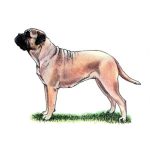
The Bullmastiff is a commanding presence, built for strength and agility with a frame that avoids clumsiness. Symmetry and balance are key, giving this dog a look of formidable power without appearing sluggish or cumbersome. The head is one of the most distinctive features—a broad, squared skull with well-filled cheeks, a short and broad muzzle, and characteristic deep-set, dark or hazel eyes. The ears are set high and wide, small in size and folded forward, adding to the breed’s iconic expression.
The Bullmastiff’s body is compact and robust, with a straight, muscular back and a wide, deep chest. The forelegs are powerful and set wide apart, supporting the breed’s hefty build, while the hindquarters are equally strong and muscular, contributing to both endurance and energetic movement. Well-arched, cat-like feet and a strong, high-set tail that tapers towards the tip round out this athletic, imposing look.
The coat is short and hard, lying flat against the body and designed to be weather-resistant—a testament to its working heritage. While brindle, red, and fawn are all accepted colors, modern Bullmastiffs are often seen with fawn coats featuring the distinctive black mask and darker markings, particularly around the muzzle and eyes. White markings are very limited and only a slight patch on the chest is permissible.
Size is impressive: adult males stand between 25–27 inches (64–69 cm) at the shoulder and weigh 110–130 lbs (50–59 kg), while females are slightly smaller but still substantial. Their unmistakable silhouette and powerful movement reflect their origins as elite guardians.
Temperament & Behavior
Bullmastiffs embody alertness, loyalty, and a high-spirited nature, making them attentive guardians and deeply faithful companions. At home, they are calm yet ready to spring into action if the situation requires, displaying a reserved confidence that is reassuring to both their family and those familiar with the breed. They tend to form strong bonds with their people and thrive on human companionship, preferring to be part of household life rather than left outdoors or alone for long periods.
Within the family, Bullmastiffs are typically reliable, with a patient nature toward children when raised with them and introduced appropriately. Their steady composure makes them gentle giants, but due to their size and guarding instinct, interactions should always be monitored, especially with smaller children or unfamiliar guests.
In the company of other dogs, socialization from an early age is crucial for Bullmastiffs. Early exposure helps prevent territorial or dominant behaviors, which can occasionally surface given their protective instincts. They are not generally aggressive without cause but may be wary of strange dogs or unusual situations, responding with dignity but also with the strength for which the breed is known.
The working group heritage shines through—Bullmastiffs excel when given a sense of purpose, whether that is being a calm guardian, attentive companion, or participant in structured activities. They are not naturally hyperactive or restless, but without proper guidance and attention, their intelligence and size can become a challenge, especially for inexperienced owners.
Care & Living Needs for the Bullmastiff
The Bullmastiff’s daily exercise needs are substantial. This breed should receive more than two hours of activity every day to keep physically fit and mentally satisfied. Ideally, this involves structured walks in combination with supervised free play in a secure, large garden. Lack of sufficient exercise can lead to boredom, which may result in undesirable behaviors or restlessness.
Given their size, the Bullmastiff is best suited to a large house with enough room to move comfortably and a big garden for outdoor time. While adaptable to both town and country environments, these dogs require outdoor space and are not ideal for homes without gardens or for those with strict restrictions on large dogs.
Grooming requirements are relatively low and manageable. A once-weekly brushing session is usually enough to remove dead hair and keep their short, hard coat in good condition. Bullmastiffs do shed, so regular grooming helps minimize hair around the house. Hygiene care such as ear cleaning, nail trimming, and dental maintenance should be part of the weekly routine.
Mental stimulation is as important as physical activity. Short training sessions utilizing positive reinforcement help keep them attentive and responsive; early socialization and obedience training are musts for this large, strong-willed breed. Puzzle toys, supervised play, and even participation in canine sports like obedience or tracking can help channel their intelligence and desire to work.
The Bullmastiff is not the breed for everyone. Those living in small apartments, with very limited space or time, or who are not comfortable handling large, strong-willed dogs should consider alternative breeds better suited to their circumstances.
Health & Common Issues
The Bullmastiff, like many dogs with a broad, short face, is considered brachycephalic. This head structure gives the breed their characteristic look but can also increase the risk of certain health challenges, particularly those associated with breathing. Some Bullmastiffs may experience difficulties with heavy panting or noisy breathing, especially during exercise or in hot weather. Narrow nostrils can also make respiration less efficient for some individuals.
Regular veterinary care helps ensure any respiratory issues are identified and managed promptly. It’s important for owners to avoid excessive exercise during very hot or humid conditions and to maintain a healthy weight for their Bullmastiff, as obesity can exacerbate breathing problems as well as affect joints and general well-being.
While the breed’s head shape is its most notable structural trait, routine eye, dental, and joint care is also important. Keeping up with wellness checks, balanced exercise, and maintaining good hygiene practices will help keep Bullmastiffs healthy and enjoying life to the fullest.
Official Breed Standard Summary
The official breed standard for the Bullmastiff provides a blueprint ensuring the breed retains both its historical function and iconic appearance. The breed is described as powerful and symmetrical, exuding strength but remaining athletic and agile. An ideal Bullmastiff is sound in movement and overall fitness, with special attention paid to avoiding any features or exaggerations that could impact its health or welfare negatively.
Acceptable colors include any shade of brindle, fawn, or red, always with a pure, clear tone and the essential black muzzle and dark facial markings. The coat should remain short, hard, and flat-lying, never long or woolly. A slight white marking on the chest is permitted but other white markings should be avoided. The general proportions call for males standing 25–27 inches at the shoulder and weighing 110–130 lbs, with females only slightly less in both height and weight.
Movement is another hallmark: the Bullmastiff’s gait signals power and purpose, with shoulders and hindquarters working in balanced harmony. The breed standard also advises against faults such as roach backs, cowhocks, splayed feet, rose ears, or exaggerated features that could compromise soundness. Male dogs should display evidence of two normal, descended testicles.
Potential owners should understand that not every Bullmastiff will match the ideal standard measurements exactly. Individual dogs may vary in size and weight. The breed standard serves as a guide rather than a precise requirement for every dog.
Frequently Asked Questions about the Bullmastiff
Is the Bullmastiff good for first-time dog owners?
This breed’s strength and assertive personality make it better suited for experienced dog owners who are confident in handling and training large, powerful breeds. Consistent leadership and training are crucial for their well-being and the safety of those around them.
How much exercise does a Bullmastiff need daily?
Bullmastiffs require more than two hours of daily exercise to stay healthy and maintain a well-balanced temperament. Daily routines should include both structured walks and opportunities for free play in a secure area.
Is the Bullmastiff good with children?
With proper introduction and supervision, Bullmastiffs can be loving and patient with children. However, due to their size and strength, interactions should always be closely monitored, particularly with small children.
Can the Bullmastiff live in an apartment?
This breed is best suited to larger homes with access to a spacious garden. Apartment living may not provide enough space or exercise opportunities for a Bullmastiff, potentially leading to frustration or unwanted behaviors.
How much grooming does a Bullmastiff need?
The Bullmastiff has a short, hard coat that only needs brushing once a week. They do shed, so regular grooming helps to control hair around the home and maintain healthy skin and coat.
Are there common health concerns in this breed?
Bullmastiffs, with their broad and short muzzles, may have a higher risk of breathing difficulties, especially during exercise or heat. Regular veterinary checks, practical exercise routines, and weight management help keep them healthy.


