
What Are the Traits and Care Requirements of the Canadian Eskimo Dog?
The Canadian Eskimo Dog stands out as one of the most powerful and enduring arctic breeds, deeply rooted in Canada’s northern heritage. Known for their impressive stamina and strength, these dogs were invaluable to indigenous peoples and explorers, serving as sled dogs capable of hauling heavy loads across vast, frozen landscapes. Their work ethic, resilience, and pack-oriented mentality make them a unique companion for experienced owners who value an active lifestyle and have space to spare.
While the Canadian Eskimo Dog excels in environments with room to roam, their bold spirit and affectionate nature shine in the right setting. These are not your typical city pets or dogs for casual owners. Instead, they suit adventurers and dedicated families prepared to engage with and actively care for a breed that treasures robust exercise, mental challenges, and deep social bonds within its “pack.”
- Overview of the Canadian Eskimo Dog
- Key Characteristics
- Appearance of the Canadian Eskimo Dog
- Temperament & Behavior
- Care & Living Needs
- Health & Common Issues
- Official Breed Standard Summary
- Frequently Asked Questions
Group: Working
Size: Medium
Exercise needs: More than 2 hours per day
Coat length: Short
Grooming: Once a week
Shedding: Yes
Lifespan: Over 10 years
Ideal home type: Large house
Town or country: Country
Garden needs: Large garden
Overview of the Canadian Eskimo Dog
The Canadian Eskimo Dog, a storied breed from the Canadian Arctic, is renowned for its vital role in sledding and survival across inhospitable environments. For centuries, these spitz-type dogs were bred to endure grueling long-distance work, expertly pulling freight and navigating harsh conditions alongside their human companions. Their build and temperament were shaped by generations of utility and necessity, making them some of the most robust canine workers known to history.
Although the breed once thrived among those who relied on their abilities for travel and hauling, changes in transportation and the introduction of alternate sledding breeds saw Canadian Eskimo Dog numbers dwindle. Organizations stepped in to help preserve the breed, but they remain relatively rare today, more often seen with enthusiasts, working dog aficionados, or those deeply committed to their heritage. These dogs are not typical domestic pets; instead, they thrive in environments where their strength and drive are put to good use.
For owners who appreciate tradition, value canine intelligence, and can meet their demanding lifestyle needs, the Canadian Eskimo Dog offers an unmatched partnership. While their working background suits them to experienced handlers, their loyal and affectionate demeanor rewards patient and involved families who can provide the space, exercise, and attention they need.
Key Characteristics
- Energy level – Exceptionally high; these dogs require prolonged, vigorous exercise every day to stay healthy and content.
- Trainability – Intelligent and eager but can be independent; consistent, firm training methods and early socialization are key.
- Intelligence – Highly intelligent, quick problem solvers, and responsive to interactive tasks and challenges.
- Prey drive – Possess a noticeable hunting instinct and will chase if given the chance.
- Social needs – Deeply pack-oriented, valuing strong bonds with their humans and canine companions.
- Compatibility with families and children – Typically affectionate with family members; supervision with young children is recommended due to their size and boisterous nature.
- Compatibility with other dogs – Can coexist well with other dogs, especially if raised together, but may assert dominance if not properly introduced.
- Guarding or watchdog tendencies – Attentive and alert, their history as sled dogs in challenging climates lends them a protective edge.
- Adaptability to city or country life – Best suited to rural environments with ample space; city living is seldom suitable.
- Best suited owner type – Ideal for active, experienced owners ready to engage physically and mentally with their dog.
- Typical daily routine – High-energy hikes, play sessions, mental puzzles, and social time with their “pack.”
Appearance of the Canadian Eskimo Dog
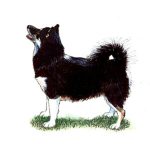
The Canadian Eskimo Dog projects a majestic and powerful presence, marking its status as a true polar working breed. Medium in size yet impressively sturdy, their physique radiates strength without the bulkiness seen in some larger breeds. With a thick neck and broad chest, the dog’s silhouette reflects both endurance and muscle, designed for long, tough journeys rather than sprinting speed.
The breed’s head is large and wedge-shaped, with males displaying broader skulls compared to the more refined heads of females. Eyes are obliquely set and never round or bulging, often dark but sometimes appearing in shades of hazel or yellow. The erect, triangular ears with slightly rounded tips are covered with dense hair, offering vital protection against the cold.
A distinctive feature is their dense, weather-resistant double coat. The thick undercoat is guarded by stiff outer hairs ranging between 3 to 6 inches in length. Males typically feature a dramatic mane around the shoulders and neck, enhancing the impression of size and presence, while females present a somewhat shorter, less pronounced coat. Coloration is highly variable—every pattern from solid white to combinations like black and white, red and white, or sable and white is seen. There are no accepted preferences for color, and marking patterns vary widely within the breed.
Built for utility over aesthetics, their legs are straight and solid, offering stability over rough terrain. The feet are almost round with thick, protective pads and hair between the toes. The tail is large, well-furred, and typically carried up over the back when moving or hanging down at rest. Males stand between 23 and 27.5 inches tall (58–70 cm), weighing 66–88 lbs (30–40 kg), with females a bit smaller by both height and weight.
Temperament & Behavior
Reflecting generations of tough, purposeful work, the Canadian Eskimo Dog combines independence with a loving, affectionate demeanor as it matures. Steeped in a working mindset, these dogs have a rapid response to new sights and sounds, making them vigilant, energetic, and constantly ready for action. Affectionate and eager for attention from their human “pack,” they form strong bonds within the family.
Pack orientation is central to the breed’s psychology. Their need for social structure means they respond best to clearly defined leadership and thrive in environments with consistent interaction, whether with humans or other dogs. Without this social structure, they can become restless or attempt to establish their own hierarchy.
Owners will quickly note their keen senses and alertness, which are vital traits in a breed developed to navigate the unpredictability of the Arctic and safeguard its team. Edge and protectiveness do not typically translate to aggression with proper management, but their strong-willed nature can challenge novice owners unused to assertive, driven dogs.
As members of the working group—the hero class among dog breeds—Canadian Eskimo Dogs possess not just stamina, but courage and instinctive intelligence. They excel in structured activity, be it long hikes, training sessions, or engaging jobs that tap into their innate work ethic and resilience.
Care & Living Needs for the Canadian Eskimo Dog
Meeting the Canadian Eskimo Dog’s physical demands is essential: they need more than two hours of vigorous daily exercise, including walks, runs, and play that stimulate both body and mind. Extended activity helps prevent boredom and maintains their health and happiness.
The breed is best suited to larger homes in rural or semi-rural areas with spacious, secure gardens—urban living or apartment environments rarely provide the space or stimulation they crave. A large house and a sizeable fenced garden give them the freedom to roam and explore safely.
Despite their luxurious coats, grooming remains manageable, typically requiring only weekly brushing to remove dead hair and reduce shedding. Their double-layer coat is naturally protective but does shed, especially during seasonal changes. Bathing should be infrequent, to preserve the natural oils and resilience of their coat.
Ongoing training and mental challenges are important; this intelligent breed benefits from structured activities and socialization from an early age. Providing variety in routine, puzzle toys, and learning new commands will help keep them engaged and satisfied. The Canadian Eskimo Dog is less suitable for those who lead sedentary lifestyles or live in small, confined spaces.
Health & Common Issues
The Canadian Eskimo Dog is generally robust, owing to its centuries-long development in demanding climates that naturally favored soundness and endurance. Regular veterinary checkups are important to monitor general health and ensure early detection of any potential issues, as they are for all breeds.
Maintaining a balanced exercise regimen is vital to keeping joints and muscles healthy, and a high-quality diet supports their physical demands. Routine grooming also allows for observation of any changes in skin, coat condition, or dental health. Ensuring these dogs stay at a healthy weight and receive the right mix of physical and mental stimulation goes a long way in promoting longevity and vitality.
Official Breed Standard Summary
The official breed standard for the Canadian Eskimo Dog provides a structured guideline that defines the desired appearance, temperament, and physical traits to ensure the breed remains fit for its intended function. The standard emphasizes absolute soundness and discourages any exaggerated features that could detract from the dog’s overall welfare or ability to perform its historical work.
Ideal characteristics include a polar, spitz-type physique with a powerful build, broad chest, and medium-length strong legs. The breed exhibits a wedge-shaped head, oblique eyes, erect triangular ears, and a bushy tail that curls over the back when active. Dogs should present a dense double coat, with males displaying a pronounced mane and females a shorter coat. All coat colors and patterns are acceptable except merle, with pigment varying from black to light brown. A snow nose is seen from time to time.
Movement is expected to be brisk and powerful, with a stride that demonstrates both rear and front leg alignment. Faults are considered any divergence from the standard that may impact the health or functionality of the dog. Special notes for prospective puppy buyers highlight that the size ranges are guidelines, and individual dogs may fall slightly outside these measurements while still being healthy and true to type.
The breed standard offers a comprehensive reference for breeders, owners, and judges to preserve the integrity and functionality of the Canadian Eskimo Dog as a historic working breed.
Frequently Asked Questions about the Canadian Eskimo Dog
Is the Canadian Eskimo Dog good for first-time dog owners?
This breed is generally not recommended for first-time owners due to its high energy, strong-willed nature, and need for experienced handling. Those with prior experience managing working or independent breeds will fare better.
How much exercise does a Canadian Eskimo Dog need daily?
The Canadian Eskimo Dog requires more than two hours of strenuous activity each day. Activities that challenge them physically and mentally are essential to their well-being.
Is the Canadian Eskimo Dog good with children?
These dogs can be affectionate with family members, including children, especially when raised together. However, their size and spirited play mean supervision around small children is advised.
Can the Canadian Eskimo Dog live in an apartment?
This breed is ill-suited for apartment living due to its size, high exercise requirements, and natural urge to roam. They thrive in large homes with access to secure outdoor space.
How much grooming does a Canadian Eskimo Dog need?
Grooming is relatively straightforward, with weekly brushing sufficient to manage shedding and maintain coat health. Expect heavier shedding during seasonal changes.
Are there common health concerns in this breed?
The Canadian Eskimo Dog is generally healthy, thanks to its background as a working sled dog. As with any breed, regular checkups, proper exercise, and balanced diet are important preventative measures.


