
Spaniel (Cocker) – Breed Information, Traits & Complete Guide
The Spaniel (Cocker) is a small, lively gundog with an enthusiastic spirit that appeals to both active families and dog lovers seeking a happy, affectionate companion. Known for their expressive eyes and ever-wagging tails, Cocker Spaniels brighten up homes with their cheerful disposition and eager-to-please attitude. Their adaptability makes them a winning choice for a range of lifestyles, from vibrant households with children to peaceful homes seeking a devoted pet.


Renowned for their intelligence and love of human company, the Spaniel (Cocker) thrives on participation—whether that’s an afternoon walk, a stretch of countryside exploring, or sprawled contentedly at your side. Their heritage as a skilled gundog gives them robust energy and a keen nose, while their gentleness and affectionate behavior cement their reputation as classic family dogs and loyal companions.
- Overview of the Spaniel (Cocker)
- Key Characteristics
- Appearance of the Spaniel (Cocker)
- Temperament & Behavior
- Care & Living Needs
- Health & Common Issues
- Official Breed Standard Summary
- Frequently Asked Questions
Group: Gundog
Size: Small
Exercise needs: Up to 1 hour per day
Coat length: Medium
Grooming: Every day
Shedding: Yes
Lifespan: Over 10 years
Ideal home type: Small house
Town or country: Either
Garden needs: Small/ medium garden
Overview of the Spaniel (Cocker)
The Spaniel (Cocker) draws its distinctive name from its original purpose as an adept hunter of woodcock, a role that deeply shaped its development. In earlier days, spaniels were grouped together and only later distinguished by size and color, but by the late nineteenth century, the Cocker earned recognition as a variety in its own right, valued for both its skills in the field and its friendly temperament. Selective breeding focused not just on their working abilities but also on adapting these dogs to different terrains and hunting scenarios.
This breed quickly gained stature, especially after being embraced in dog shows and as a family companion. Its compact frame and happy nature led to a surge in popularity, especially in the early twentieth century—a trend that continues to the present day. The Cocker’s adaptability, size, and social personality make it a versatile option, equally at home in urban spaces or country settings, and suitable for individuals, couples, or families seeking an affectionate, trainable companion.
Whether owners are active outdoors or enjoy quieter time together, the Spaniel (Cocker) adjusts beautifully, content so long as it enjoys attention, regular activity, and close contact with its people.
Key Characteristics
- Energy level – Brimming with enthusiasm, these dogs enjoy regular activity and playful interaction every day.
- Trainability – Intelligent and eager to please, Cockers generally respond well to positive training methods.
- Intelligence – Quick learners, they benefit from mental challenges and structured routines to keep them engaged.
- Prey drive – Bred to follow game, they have a keen nose and may chase small animals given the chance.
- Social needs – Strongly bonds with their human family and often thrive in the company of people and other dogs.
- Compatibility with families and children – Known for their gentle, affectionate nature, making them excellent family companions.
- Compatibility with other dogs – Usually sociable and tolerant, enjoying play and companionship with doggy friends.
- Guarding or watchdog tendencies – Not natural guard dogs; more likely to greet visitors with wagging tails than suspicion.
- Adaptability to city or country life – Equally content in a small house with a modest garden or larger country homes, provided their exercise needs are met.
- Best suited owner type – Ideal for families, active singles, or seniors who want an affectionate, involved dog.
- Typical daily routine – Prefers a mix of walks, playtime, mental stimulation, and companionship throughout the day.
Appearance of the Spaniel (Cocker)
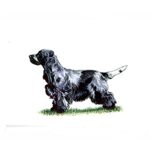
The Spaniel (Cocker) is the picture of a graceful yet sturdy sporting dog, with a compact frame that suggests both agility and power. Their build almost forms a square, with the length from withers to tail root closely matching their height from withers to ground. Males generally range from 15½ to 16 inches at the shoulder, while females fall slightly smaller. Their weight sits comfortably between 28 and 32 pounds, producing a manageable, athletic outline.
The head is a hallmark of the breed: a well-developed, gently chiselled skull flows into a square muzzle, with a distinct stop halfway between the nose and occiput. Expressive, full eyes (usually dark brown or dark hazel depending on coat color) radiate intelligence and warmth, framed by long, lobular ears wearing straight, silky hair that often reaches the nose tip. Powerful jaws meet in a perfect scissor bite, and the moderately long neck blends smoothly into sloping shoulders, giving the dog an elegant yet robust look.
Cocker Spaniels feature a strong, compact body with a deep, well-developed chest and a short, wide loin that slopes gently towards the tail. Both their fore and hindquarters are muscular, the legs well-boned but not overly long, supporting high-energy pursuits and vigorous movement. Their feet are thickly padded and cat-like, built for covering ground with efficiency.
Their coat draws admiration for its silky texture, flat and never wiry or excessively profuse. Well-feathered forelegs, body, and hindlegs above the hocks lend a soft, luxurious appearance. Colors vary widely: solid hues (such as black, red, golden, or liver), bicolors, tricolors, and various roans. While a small amount of white on the chest is tolerated in solid colors, white elsewhere is seen as undesirable. The breed’s signature lively tail, set slightly below the topline, constantly wags in a display of the dog’s characteristic merriment.
Temperament & Behavior
The Spaniel (Cocker) is best known for combining a gentle, affectionate manner with a bounding zest for life. At home, these dogs thrive on being part of family routines, seeking close interaction and eager to please their favorite people. Their easygoing nature and cheerful personality make them a popular addition to households with children, where their patience and playfulness can be fully enjoyed.
As a member of the Gundog group, the breed was originally developed to work closely and harmoniously with humans, both in the field and at rest. This close partnership has translated into a dog that forms deep bonds and craves companionship. Cocker Spaniels are naturally sociable and generally get along well with other dogs, enjoying shared playtime or comfortable company. Their gentleness extends to strangers, where they’re more likely to greet newcomers enthusiastically than show reserve.
These dogs love routine and variety—adaptable enough for quieter stretches of the day but happiest when receiving consistent attention, walks, and play. Their intelligence shines through in their training and interactions, quick to learn both good habits and, if allowed, the occasional mischief. For owners seeking a watchful protector, the Cocker is more likely to offer a warm welcome than act as a guard, making them less suitable for those wanting a protective dog but perfect for those seeking affection and joy.
Care & Living Needs for the Spaniel (Cocker)
The Spaniel (Cocker) requires a balanced approach to care that caters to their physical and emotional well-being. With exercise needs of up to an hour a day, daily walks, energetic play sessions, or even nosework games are essential. While their compact size means a small house and a modest garden can suffice, access to safe outdoor space enhances their quality of life. Whether living in town or country, they adjust well so long as their activity needs are met.
Grooming is a central part of owning this breed. Their medium-length, silky coat requires daily attention to prevent tangles and matting, especially along the feathered areas of legs, chest, and ears. Regular brushing controls shedding and keeps their coat at its glossy best. Shedding is to be expected, so households should be prepared for occasional hair on furniture or clothing.
Mental stimulation plays a critical role. The breed’s intelligence responds well to training, puzzle toys, and activities that use their natural instincts, such as scent games. Positive reinforcement methods are highly effective. Leaving them alone for long periods can lead to boredom-related behaviors, so a home where the dog can interact with people throughout the day is ideal.
Families, singles, or seniors who want a loving, engaging companion are all good matches, but the breed may not suit very sedentary owners or those unable to commit to regular grooming and exercise. Those with little time for daily activity or who dislike shedding may wish to research breeds better suited to a low-maintenance routine.
Health & Common Issues
Cocker Spaniels are generally robust dogs with a life expectancy exceeding ten years under normal, healthy circumstances. While the dataset provided does not specify any recurring health concerns for the breed, owners can support their dog’s well-being with balanced daily activity, a nutritious diet, and routine veterinary visits.
As with all dogs, managing the Cocker’s weight through measured feeding and exercise remains important to limit joint wear and keep them energetic. Regular care for teeth, keeping ears clean given their length and feathering, and routine grooming to manage shedding all contribute to ongoing good health.
Choosing a responsible breeder who prioritizes soundness and avoids extreme traits further reduces the risk of inherited issues. Owners are encouraged to consult with their veterinarian for breed-appropriate care and monitor their dog for any symptoms that merit professional evaluation.
Official Breed Standard Summary
The official breed standard for the Spaniel (Cocker) provides a comprehensive outline of the desired characteristics, ensuring these dogs maintain both sound health and their traditional capabilities. It emphasizes a merry, sturdy, and balanced appearance with a compact, sporting physique, mirroring the breed’s heritage as an active hunting companion.
Desirable dimensions are described as males standing 15½–16 inches and females slightly smaller, with ideal weights from 28–32 pounds. Their coat should lie flat and silky to the touch, with feathering present but not excessive, and their movement characterized by true, drive-filled action well-suited to covering ground efficiently. Colors are varied, with specific recognition given to solid shades, bicolors, tricolors, and roans, but only particular color combinations are accepted.
The breed standard also sets clear guidelines against faults—anything that would reduce the dog’s health, welfare, or working ability. Prospective puppy buyers should know that the standard acts as a guide; actual dogs may not match every measurement exactly. Soundness and a well-balanced disposition are key, with no feature favored to the detriment of practical function or health.
Special notes within the standard point out requirements like two fully descended testicles in males to complete the breed’s ideal. Judges and breeders are cautioned to avoid rewarding features or exaggerations that could hinder the dog’s quality of life or performance in its traditional field roles.
Frequently Asked Questions about the Spaniel (Cocker)
Is the Spaniel (Cocker) good for first-time dog owners?
Yes, the breed’s gentle character, affectionate demeanor, and readily trainable nature make the Spaniel (Cocker) a good choice for those new to dog ownership. Consistent training and regular grooming are important to keep them at their best.
How much exercise does a Spaniel (Cocker) need daily?
These dogs thrive with up to one hour of exercise per day. Walks, play, and interactive games help fulfill their physical and mental needs.
Is the Spaniel (Cocker) good with children?
The gentle and exuberant temperament of the Cocker Spaniel usually makes them excellent companions for children. They are affectionate and playful, enjoying the company of younger family members when treated kindly and supervised.
Can the Spaniel (Cocker) live in an apartment?
Due to their small size and adaptability, Spaniel (Cocker)s can live contentedly in apartments or smaller homes. Regular walks and opportunities for outdoor play are necessary for their happiness and health.
How much grooming does a Spaniel (Cocker) need?
Daily grooming is recommended to maintain their medium-length, silky coat in good condition and control shedding. Attention to feathering, ears, and overall cleanliness is important to avoid tangles and keep them looking their best.
Are there common health concerns in this breed?
The dataset does not specify particular health problems, but maintaining soundness and avoiding extreme traits is central. Regular veterinary care, monitoring weight, and paying attention to dental and ear hygiene support good health in this breed.


