
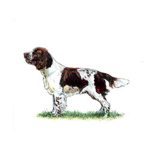
Spaniel (English Springer) – Breed Information, Traits & Complete Guide
The Spaniel (English Springer) is a beloved breed with a rich heritage in both the hunting field and the modern family home. Recognized for their elegant athleticism and lively spirit, English Springers are gundogs originally bred to flush and retrieve game, but today they’re equally cherished as affectionate companions and enthusiastic partners in active households. Their adaptable nature and engaging personality have contributed to their reputation as one of the most versatile spaniel breeds.


This breed is an excellent match for individuals and families seeking a spirited, highly trainable, and sociable dog. Whether you love the thrill of outdoor adventures or simply value a joyful, outgoing companion, the Spaniel (English Springer) fits various lifestyles—especially those who enjoy spending time outside and are prepared for a lively canine partner.
- Overview of the Spaniel (English Springer)
- Key Characteristics
- Appearance of the Spaniel (English Springer)
- Temperament & Behavior
- Care & Living Needs
- Health & Common Issues
- Official Breed Standard Summary
- Frequently Asked Questions
Group: Gundog
Size: Medium
Exercise needs: More than 2 hours per day
Coat length: Medium
Grooming: More than once a week
Shedding: Yes
Lifespan: Over 10 years
Ideal home type: Small house
Town or country: Either
Garden needs: Large garden
Overview of the Spaniel (English Springer)
Originating from Britain, the Spaniel (English Springer) is the leggiest and raciest of the British land spaniels. With roots stretching back centuries, they were once known as Norfolk Spaniels, partly due to development thought to be linked to the Duke of Norfolk. Their job historically was to “spring” or flush game out of cover toward nets or hunters—a role that evolved after the invention of firearms, turning them into expert flushers and retrievers for gundogs.
The breed’s combination of strength, agility, and cheerful temperament made it a staple in the field, and today, the English Springer is among the most popular working spaniels. Selective breeding stabilized their size and coloring, commonly producing liver and white coats, though black and white and tricolor variations also appear.
English Springers thrive in active households, whether in the city or countryside, but do best with owners who understand their need for exercise, mental engagement, and plenty of companionship. They suit individuals and families ready for a sociable, energetic dog who’s happiest with plenty of purpose and interaction.
Key Characteristics
- Energy level – Exceptionally high, suited to more than two hours of active exercise per day.
- Trainability – Quick learners who respond well to positive training, making them successful in various canine sports and field work.
- Intelligence – Intelligent and alert, they thrive on mental challenges and learning new tasks.
- Prey drive – Naturally strong hunting and retrieving instincts, typical for gundog breeds.
- Social needs – Highly social and people-oriented, disliking long periods alone.
- Compatibility with families and children – Generally loving and gentle around children, making them excellent family dogs when properly trained.
- Compatibility with other dogs – Usually friendly and happy to interact or work beside other dogs.
- Guarding or watchdog tendencies – Not aggressive or especially territorial; more likely to greet visitors with enthusiasm than suspicion.
- Adaptability to city or country life – Can adapt to either environment, provided their exercise and stimulation needs are met.
- Best suited owner type – Ideal for active people or families who spend time outdoors and value an affectionate, energetic companion.
- Typical daily routine – Requires vigorous activity, interactive play, mental enrichment, and regular companionship throughout the day.
Appearance of the Spaniel (English Springer)
The Spaniel (English Springer) presents a symmetrical, compact, and athletic build, giving the impression of strength and agility. As the tallest among land spaniels, this breed stands out with its racy lines and lively carriage. The general proportion strikes a balance, avoiding extremes in length or bulk, ensuring the dog is always fit for fieldwork or active pursuits.
The head is well-proportioned, with a reasonably broad and slightly rounded skull that transitions gracefully to a strong, square foreface. Eyes are almond-shaped and medium-sized, set to convey an alert and kind expression—generally dark hazel is preferred, adding warmth to their intelligent gaze. Pendant ears of good length frame the face, set in line with the eye and attractively feathered. The breed’s bite should be a perfect, regular scissor closure, indicating strong, healthy jaws.
The neck is of good length—muscular yet slightly arched—allowing for a dignified head carriage. Forequarters are straight and well-boned, with sloping shoulders and flexible pasterns, while the deep, well-developed chest houses a strong heart and lungs for stamina. Hindquarters are broad and muscular, providing the power to spring and drive with each stride. Feet are compact and rounded, finished with strong pads for varied terrain.
The tail, whether docked or natural, is set low and never carried above the level of the back, always wagging with lively action. The medium-length coat is straight, close, and weather-resistant, with feathering on the ears, legs, and underside. Common coat colors are liver and white, black and white, or versions with tan markings; any other coloring is not typical for the breed. The standard height is around 20 inches (51 cm) at the shoulder, but some variation can occur between individuals.
Temperament & Behavior
Renowned for their friendly and “merry” disposition, the Spaniel (English Springer) embodies a joyous, biddable temperament. Aggression or excessive timidity is not in keeping with the breed’s character; instead, you’ll find enthusiasm, cooperation, and a strong desire to please both at home and in the field. Their historical roots as sporting gundogs gave rise to a bold yet gentle dog, quick to form bonds with family members.
This spaniel thrives on companionship and is rarely happier than when in the center of family life. They greet new people with eagerness, seldom displaying aloofness, and integrate well with children, being both patient and playful. Their sociability extends to other dogs, making them good candidates for multi-pet households or dog-friendly social activities. However, their hunting lineage can lead to a keen interest in chasing small animals outdoors.
Their energy and intelligence mean they rarely tire of mental or physical engagement. Boredom or lack of proper activity may result in mischievous behavior. Seen as ideal all-rounders, English Springers are as comfortable on countryside walks as they are curled up at home. Their temperament supports their reputation as versatile dogs: suitable for obedience, agility, and field work, and rewarding company for those who understand their drive.
Care & Living Needs for the Spaniel (English Springer)
The Spaniel (English Springer) has considerable exercise needs, thriving on more than two hours of active engagement each day. Suitable homes range from small houses to countryside dwellings, but all benefit from access to a large garden or secure open spaces. These dogs adapt well to both town and country settings, provided they do not lack opportunities to run, explore, and express their energetic nature.
Coat care involves brushing at least more than once a week, as their medium-length, feathered fur can shed and tangle if neglected. The weather-resistant coat protects them in various environments, but regular grooming also helps keep their appearance neat and their skin healthy. Shedding is to be expected, especially during seasonal changes.
Mental stimulation is critical. Training sessions, puzzle toys, scent games, and participation in dog sports or structured exercise keep the Springer’s mind sharp and temperament balanced. Positive reinforcement works wonders, capitalizing on their eagerness to please.
This breed is best suited to owners who value outdoor activity and involvement with their dogs. Homes where long solo periods are frequent or where daily exercise is limited may not unlock the best potential in the English Springer. Those who embrace their daily care routines will be rewarded with a devoted and spirited canine companion.
Health & Common Issues
The Spaniel (English Springer) is generally robust, with a lifespan reaching over 10 years. While the provided information does not specify particular health concerns for this breed, regular veterinary checkups are always recommended to monitor and maintain overall health.
Balanced exercise and weight management support joint health and keep these athletic dogs in peak condition. Eye, ear, and dental care should be incorporated into regular grooming routines, especially considering their feathered ears and active lifestyle that may pick up debris.
Responsible breeding practices—aligned with the breed standard—help reduce the risk of hereditary issues. Keeping vaccinations and preventive care up to date further ensures a healthy and happy life for Spaniel (English Springer) dogs.
Official Breed Standard Summary
The official breed standard outlines the ideal form and function of the Spaniel (English Springer), ensuring a healthy, sound, and purpose-driven dog. The standard emphasizes balance, strength, and a compact yet athletic build, with a focus on sound movement and healthy proportions to support their traditional gundog roles.
Typical colors include liver and white, black and white, and occasionally these colorings with tan markings. The coat should be straight, weather-resistant, and moderately feathered for effective protection. Movement is distinctive, with a free, driving action and lively tail carriage that never rises above the back, reflecting the breed’s merry spirit.
Any deviation from these qualities is seen as a fault, with considerations made based on its impact on health, welfare, or working ability. Ideal height is around 20 inches at the shoulder, but individual dogs may be larger or smaller. The breed standard highlights the importance of soundness and discourages exaggerations.
Prospective owners are reminded that the breed standard serves as a guide for the ideal; real dogs may vary within a healthy range of size and build.
Frequently Asked Questions about the Spaniel (English Springer)
Is the Spaniel (English Springer) good for first-time dog owners?
The English Springer can be a rewarding choice for first-time owners who are prepared for an energetic, intelligent dog with significant exercise and training needs. Their cooperative nature and desire to please make them a pleasure to train provided their lifestyle matches the dog’s activity level.
How much exercise does a Spaniel (English Springer) need daily?
This breed thrives on more than two hours of physical activity per day. Regular walks, play sessions, and opportunities to run and explore are essential to keep them happy and healthy.
Is the Spaniel (English Springer) good with children?
Yes, they are generally affectionate and patient with children. Their sociable and playful nature usually makes them an excellent choice for families, but interactions with very young children should always be supervised.
Can the Spaniel (English Springer) live in an apartment?
While they can adapt to smaller homes or apartments, their high energy and exercise requirements mean they are better suited to homes with access to a large garden or outdoor spaces. Apartment living is possible only if their physical and mental needs are reliably met every day.
How much grooming does a Spaniel (English Springer) need?
Regular brushing, at least more than once a week, is important to keep their medium-length, feathered coat free of tangles and healthy. They also shed, so grooming helps manage loose hair and maintain their appearance.
Are there common health concerns in this breed?
No specific health issues are listed, but like all breeds, routine veterinary care, good nutrition, and weight management are recommended for overall well-being. Responsible breeding and regular checkups help ensure a long, healthy life.


