
What Are the Traits and Care Tips for a Dandie Dinmont Terrier?
The Dandie Dinmont Terrier offers a unique blend of charm, history, and individuality for dog owners seeking a terrier with both personality and heritage. Recognized by its distinctive appearance and dignified nature, this small but sturdy breed thrives in both urban homes and the countryside. Compact in size but big in character, the Dandie Dinmont Terrier fits those who want a loving companion that is equally at home on a daily walk or enjoying a quiet evening indoors.
Known for its loyalty and intelligence, the Dandie Dinmont Terrier excels as a family dog and companion. Its roots as a determined working terrier have developed into a personality that is affectionate with loved ones and friendly in social situations. This breed is especially well-suited to households that appreciate a confident, low-shedding terrier with an endearing history and a touch of Scottish flair.
- Overview of the Dandie Dinmont Terrier
- Key Characteristics
- Appearance of the Dandie Dinmont Terrier
- Temperament & Behavior
- Care & Living Needs
- Health & Common Issues
- Official Breed Standard Summary
- Frequently Asked Questions
Group: Terrier
Size: Small
Exercise needs: Up to 1 hour per day
Coat length: Medium
Grooming: More than once a week
Shedding: No
Lifespan: Over 12 years
Ideal home type: Small house
Town or country: Either
Garden needs: Small/ medium garden
Overview of the Dandie Dinmont Terrier
The Dandie Dinmont Terrier traces its origins to the border counties of England and Scotland, where it was developed as a rugged hunting companion. Its name and character are rooted in literature, having gained its distinctive title from the character “Dandie Dinmont” in Sir Walter Scott’s novel “Guy Mannering.” This literary connection extends to the breed’s coloration, with “Mustard” and “Pepper” becoming the accepted descriptors for the recognized coat colors—terms that were inspired by the dogs owned by the farmer who inspired Scott’s character.
This breed stands out with its elongated, weasel-like body, arched top line, silky topknot, and soulful, expressive eyes—a combination that has captivated enthusiasts for generations. Despite being one of the rarer terrier breeds, the Dandie Dinmont has seen a resurgence in popularity, beloved for its gentle dignity and affectionate character. In recent history, the breed has even been given a unique honor in Scotland—the right to wear the Black and White tartan of Sir Walter Scott, setting it apart as the only dog breed with official clan tartan rights.
The Dandie Dinmont Terrier is particularly well-suited to owners who appreciate a small companion dog with heritage, independence, and a touch of wit. Its robust yet manageable size and adaptability mean it fits comfortably in both rural and urban settings, making it an appealing choice for families, individuals, and older adults alike.
Key Characteristics
- Energy level – Moderately active; enjoys daily walks and playful time, but typically content after moderate exercise.
- Trainability – Clever and responsive, though independence may present occasional training challenges; thrives with consistent, positive guidance.
- Intelligence – Highly intelligent and quick-witted, capable of learning routines and tricks but sometimes shows stubbornness.
- Prey drive – Developed originally for hunting vermin, they have a lively prey drive and a keen nose, which may lead to spirited pursuits outdoors.
- Social needs – Enjoys human companionship and being part of the family, but generally not needy or clingy.
- Compatibility with families and children – Usually affectionate and gentle with children when properly socialized; can be a loyal family member.
- Compatibility with other dogs – Gets along with other dogs if introduced early, though a strong terrier instinct may require supervision around small pets.
- Guarding or watchdog tendencies – Alert and brave, with a deep bark for their size; makes a vigilant, if not aggressive, watchdog.
- Adaptability to city or country life – Equally at ease in urban apartments or countryside homes, adaptable and content with moderate daily activity.
- Best suited owner type – Ideal for individuals or families seeking a low-shedding, moderately energetic, and affectionate small dog with character.
- Typical daily routine – Enjoys steady walks, time in a secure garden, interactive play, and plenty of relaxed family time indoors.
Appearance of the Dandie Dinmont Terrier
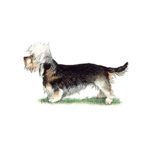
The Dandie Dinmont Terrier offers a distinctive silhouette that sets it apart from other terriers. Standing 8–11 inches at the withers and weighing between 18–24 pounds, the breed displays a body that is noticeably longer than it is tall, with a subtle arch over the loins. The frame is muscular and flexible, producing a compact yet remarkably strong impression, well-suited for both agility and comfort.
Perhaps the most eye-catching feature is the large head, which is broad and well-developed, adorned with a silky “topknot” of soft hair that contrasts with the harder coat on the rest of the body. The dark hazel eyes shine with intelligence and warmth, set low and wide apart to enhance the breed’s soulful expression. Pendulous ears, set low and wide, add to the distinctive profile, tapering to a point with soft feathering that develops fully as the dog matures.
The coat itself is unique—it is double-layered, with a soft, linty undercoat and a crisp-feeling topcoat about two inches long. This coat lies in “pencils” or strands, an effect created by the mix of textures. Feathering on the forelegs and underside of the tail is softer and lighter. The Dandie is known for being a low-shedding breed, making it easier to manage in the home.
Acceptable colors are “Pepper,” which ranges from bluish-black through silvery-grey, and “Mustard,” which spans reddish-brown to pale fawn. In both colors, the body shade transitions seamlessly onto the legs and feet, with a characteristically lighter “topknot.” The tail is thick at the base, curving gently like a scimitar, and the overall movement is fluid and purposeful.
Temperament & Behavior
At home, the Dandie Dinmont Terrier displays a unique blend of independence and affection. While the breed is deeply loyal to its family and enjoys close companionship, it tends to approach interactions with a certain dignity. This terrier is highly intelligent and quick to understand its environment, showing both sensitivity and spirit.
As a breed with a history of hunting vermin, the Dandie retains an impressive level of determination and persistence. It is game and workmanlike without being overly rambunctious, offering steady enthusiasm for activities and play. Despite its small stature, the breed carries itself with a sense of quiet confidence and is never easily intimidated.
When it comes to children, a well-socialized Dandie Dinmont can make a gentle and devoted companion, displaying patience and kindness. It can live amicably with other dogs, particularly if socialized from a young age; however, smaller animals like rodents may spark its hunting instincts. The breed’s deep, robust bark makes it an attentive watchdog, alerting the household to visitors without developing into unnecessary aggression.
For owners willing to provide thoughtful guidance, the Dandie Dinmont’s intelligence means it responds well to consistent, positive training. Its slightly stubborn streak may emerge at times, requiring understanding and patience, but this adds to its endearing character. The breed rewards those who respect its sensitivities with affection, loyalty, and gentle companionship.
Care & Living Needs for the Dandie Dinmont Terrier
Daily exercise is important for the Dandie Dinmont Terrier, though its needs are moderate compared to some terrier breeds. A combination of walks and active play totaling up to an hour per day typically keeps this breed satisfied and healthy. Secure outdoor spaces such as small or medium gardens are ideal for off-leash play and exploration.
The breed adapts well to smaller homes, such as townhouses or apartments, provided it receives enough attention and activity. Its adaptable nature allows it to thrive in both town and country settings, making it suitable for a range of households. A small house with access to a private, safe garden offers the best environment, but it can do well in more urban settings with attentive routines.
Grooming requirements are higher than for some other terriers. Its unique coat requires brushing more than once a week to prevent matting and maintain its crisp, tidy appearance. Despite a medium-length coat, the breed does not shed, making it a good option for owners concerned about pet hair in the home. Occasional trimming and regular attention to the silky topknot and feathering help keep the Dandie looking its best.
Mental stimulation is important for this intelligent terrier. Short, frequent training sessions and interactive play help channel its quick wit positively. The Dandie responds well to firm but gentle direction. It may not be ideal for those seeking a low-maintenance or hands-off pet, but it rewards invested owners with loyalty, affection, and a truly individual personality.
Health & Common Issues
The dataset provides no specific health concerns associated with the Dandie Dinmont Terrier. As with all breeds, maintaining regular veterinary checkups is crucial to support long-term health and well-being. Lifespan is often over 12 years, enabling owners to enjoy many years together when proper care is given.
Balanced nutrition, regular exercise tailored to the breed’s proportionate size and activity level, and attention to grooming all contribute positively to the Dandie Dinmont’s overall health. Owners should monitor weight to prevent unnecessary strain on the body, and routine dental hygiene is recommended for continued oral health.
Being a rare and vulnerable native breed, prospective owners are encouraged to seek responsible breeders who maintain the breed’s standards and prioritize welfare. With attentive day-to-day care and a loving environment, the Dandie Dinmont makes a hardy and lasting companion.
Official Breed Standard Summary
The official breed standard serves as a comprehensive guide for the ideal Dandie Dinmont Terrier’s physical traits and temperament. This standard emphasizes soundness, balance, and health, outlining the desired characteristics for appearance, coat, and color. According to the standard, Dandies should possess a distinctive, topknotted head, long weasel-like body, strong legs, and expressive dark eyes that convey intelligence and warmth.
Acceptable coat colors are “Pepper” (shades from bluish black to silvery grey) or “Mustard” (ranging from reddish brown to pale fawn), with a distinctive lighter topknot. The coat features a unique double layer: a soft undercoat and a crisp, harder topcoat that falls in subtle pencils, with feathering on the legs and tail. Faults in structure, gait, or color outside these descriptions are viewed as undesirable and should be weighed according to their impact on health and welfare.
Size guidelines place adult Dandies between 8–11 inches in height at the withers, with the body length not exceeding twice the height. The breed standard underlines that these measurements are guidelines; individual dogs may be found above or below the specified range. Healthy, well-balanced proportions and temperament matter more than precise conformity to size or weight.
The standard calls for a breed that moves with a fluid, purposeful stride, always showing strength and balance. Potential puppy buyers are reminded that the standard outlines the ideal and should not be interpreted as prescriptive for every individual. The focus remains on maintaining health, soundness, and the unique traits that define the Dandie Dinmont Terrier.
Frequently Asked Questions about the Dandie Dinmont Terrier
Is the Dandie Dinmont Terrier good for first-time dog owners?
The Dandie Dinmont Terrier can be a good choice for first-time owners who are prepared for the breed’s independent streak and grooming needs. Its friendly disposition and moderate exercise requirements make it manageable, provided its intelligence and personality are respected through patient training.
How much exercise does a Dandie Dinmont Terrier need daily?
This breed requires up to one hour of exercise each day, including walks and interactive play. Its stamina is moderate, so it enjoys daily activity but does not need vigorous exercise to stay happy and healthy.
Is the Dandie Dinmont Terrier good with children?
Yes, the breed is known for its affectionate and patient nature with children, especially when socialized early. Supervision is always recommended, as with any breed, to ensure positive interactions.
Can the Dandie Dinmont Terrier live in an apartment?
The Dandie Dinmont adapts well to apartment living if given daily walks and enough attention. Its small size and moderate energy make it suitable for city life, though access to a small or medium garden is beneficial.
How much grooming does a Dandie Dinmont Terrier need?
Regular grooming is essential, with brushing required more than once a week to prevent matting and keep the coat in good condition. The breed does not shed, which makes grooming manageable for most dedicated owners.
Are there common health concerns in this breed?
No specific health issues are detailed in the available information. As with all dogs, routine veterinary care and a healthy lifestyle support the Dandie Dinmont Terrier’s longevity and well-being.


