
What Are the Traits and Care Tips for Smooth Fox Terriers?
The Fox Terrier (Smooth) stands as an enduring symbol of vitality, tenacity, and keen intelligence among the Terrier breeds. Eminently suited to active households, this dog excels as both a lively family companion and a capable participant in dog sports or outdoor adventures. Its size and temperament make it an ideal choice for those seeking a smaller dog with a bold personality.
This breed’s energetic and friendly nature finds favor with both city dwellers and countryside enthusiasts alike. The Fox Terrier (Smooth) brings a blend of playful spirit, alertness, and steadfast loyalty, thriving in environments where engagement and stimulation are part of daily life. Whether as a jogging partner or a devoted friend at home, this breed adapts well to a range of roles for owners seeking an involved and rewarding canine companion.
- Overview of the Fox Terrier (Smooth)
- Key Characteristics
- Appearance of the Fox Terrier (Smooth)
- Temperament & Behavior
- Care & Living Needs
- Health & Common Issues
- Official Breed Standard Summary
- Frequently Asked Questions
Group: Terrier
Size: Small
Exercise needs: Up to 1 hour per day
Coat length: Short
Grooming: Once a week
Shedding: Yes
Lifespan: Over 12 years
Ideal home type: Small house
Town or country: Either
Garden needs: Small/ medium garden
Overview of the Fox Terrier (Smooth)
The Fox Terrier (Smooth) has a storied history as one of the earliest recognized varieties in the Terrier family. Developed in England to assist with fox hunting, these dogs were exceptional at pursuing foxes above and below ground, showcasing the courage and tenacity that define the Terrier group. Initially, their coats were darker shades, but purposeful breeding for white-bodied dogs made them easier to distinguish from their quarry during hunts.
Through careful selection involving now-extinct and other established breeds, the Fox Terrier (Smooth) evolved into an agile, muscular, and sharp-minded dog. Its hallmark features—short back, long head, and athletic stance—reflect the heritage of hound-marked, high-energy dogs that once ran with packs or accompanied huntsmen on horseback. As the breed’s popularity soared in England, it transitioned from utilitarian hunter to beloved companion and show dog, maintaining its status as an energetic and engaging family pet.
Today, the Fox Terrier (Smooth) suits owners who relish an active lifestyle and can offer daily enrichment. Whether living in the city or countryside, this breed benefits from homes that provide opportunities for exercise, play, and interaction. Its adaptability and friendly demeanor ensure that it continues to be well-regarded among dog enthusiasts seeking a dynamic, devoted companion.
Key Characteristics
- Energy level – High; the Fox Terrier (Smooth) thrives on regular activity and play.
- Trainability – Eager to learn and intelligent, though sometimes can show an independent streak.
- Intelligence – Highly alert and quick-thinking, with a keen ability to solve problems.
- Prey drive – Strong instincts, inherited from its hunting roots, may chase smaller animals.
- Social needs – Enjoys interaction with humans and tends to bond closely with family.
- Compatibility with families and children – Generally friendly and tolerant, makes a spirited and loving companion for children who treat pets respectfully.
- Compatibility with other dogs – Usually sociable, but early socialization supports positive relationships, especially in multi-pet households.
- Guarding or watchdog tendencies – Naturally alert, quick to sound the alarm if something is amiss at home.
- Adaptability to city or country life – Equally at home in urban settings or out in the country, provided exercise needs are met.
- Best suited owner type – Active, engaged owners who enjoy participating in playtime, activities, and ongoing training.
- Typical daily routine – Includes walks, play sessions, mental challenges, and plenty of people time.
Appearance of the Fox Terrier (Smooth)
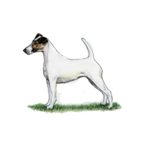
The Fox Terrier (Smooth) gives an immediate impression of athleticism and energy compressed into a small, compact frame. This breed stands up to 39 cm (15½ inches) at the withers for males, with females being slightly smaller, and typically weighs between 16–18 lbs for males and 15–17 lbs for females. It achieves a harmonious balance between strength and agility—neither appearing too heavily built nor overly slender.
The head is distinctly long and gradually tapers from a moderately narrow, flat skull toward a well-defined stop and a powerful jaw. Its dark, intelligent eyes are round and moderately small, exuding intelligence and alertness. V-shaped ears fold forward close to the cheeks, contributing to the breed’s characteristic keen expression. A strong, scissor bite reflects the underlying power in its jaws.
The neck is muscular and clean, leading smoothly into well-laid-back shoulders and straight, robust forelegs. The chest is deep but not broad, supporting a short, level back and slightly arched loin, enhancing the dog’s agile and sturdy build. Muscular hindquarters and compact, round feet further reinforce the breed’s athleticism. The tail is set high and carried gaily, never curled over the back, and adds to the overall balanced appearance.
The Fox Terrier (Smooth) sports a straight, flat, and dense coat, providing protection while maintaining a smooth texture. White is the dominant color, with some tan, black, or tricolor markings permitted, but always in moderation; red, brindle, or liver markings are seen as undesirable. The overall impression is that of a vivid, well-proportioned, and unmistakably active Terrier, designed for function and flair alike.
Temperament & Behavior
The Fox Terrier (Smooth) is known for its blend of friendliness, fearlessness, and bright disposition. These dogs are quick to react, always eager for interaction, and keenly aware of their surroundings. The breed typifies the Terrier group—fox terriers were once bred for both above-ground and below-ground hunts, requiring not only bravery but also sharp wit and responsiveness.
At home, a Fox Terrier (Smooth) is a lively yet affectionate companion. It enjoys being involved in family life and responds positively to attention and play. The breed is generally tolerant of children, appreciating engagement while still requiring that interactions remain respectful on both sides. If properly socialized, these dogs get along with other pets, though their pronounced prey drive may lead them to chase small animals. Early introduction to a variety of people, dogs, and situations yields the most well-adjusted adult dogs.
This terrier’s natural instinct to be alert also makes it a capable watchdog. While not aggressive, it is likely to bark if something unfamiliar occurs, notifying its owners quickly. Occasionally, its vivacity can turn into stubbornness; consistent, positive training harnesses this dog’s energy in constructive ways. As with most terriers, mental and physical activity is the key to channeling their enthusiasm and preventing boredom-related mischief.
Care & Living Needs for the Fox Terrier (Smooth)
The Fox Terrier (Smooth) flourishes in homes where daily exercise and mental stimulation are a priority. About an hour of active play, walking, or structured exercise meets its physical needs, allowing this nimble breed to release energy and remain content. The breed readily adapts to life in a small house or apartment, provided it has regular opportunities to explore a small to medium garden or have access to safe outdoor areas for play.
Despite its robust energy, the breed’s grooming needs are modest. Its short, smooth coat requires only a weekly brushing to control shedding and maintain its natural gloss. Regular attention to basic hygiene—such as nail trimming and ear care—completes the straightforward grooming routine. As the Fox Terrier (Smooth) is known to shed, those sensitive to pet hair should anticipate some loose hair around the home.
Owners should focus on providing engaging activities that challenge this breed both mentally and physically. Puzzle toys, basic obedience, and interactive games go a long way in satisfying the Fox Terrier (Smooth)’s appetite for stimulation. As intelligent and independent thinkers, these dogs respond best to positive reinforcement and consistency in training. Leaving them unoccupied for extended periods can result in boredom and potentially unwanted behaviors.
This breed suits people who enjoy an interactive dog and are able to offer companionship and activity each day. It may not be ideal for those seeking a sedentary pet or who are away from home frequently, as the Fox Terrier’s need for company and activity is not easily met by a hands-off lifestyle.
Health & Common Issues
The Fox Terrier (Smooth) is generally considered a healthy and robust breed with a lifespan typically extending beyond 12 years. While the dataset does not highlight any breed-specific health concerns, it is always wise for owners to practice standard health maintenance practices that benefit all dogs of this size and energy level.
Routine veterinary check-ups help maintain overall well-being and catch any emerging issues early. Maintaining a lean body condition is also important, as even active small breeds can sometimes put on weight, especially if exercise is neglected or diet is not properly managed.
Good dental hygiene, periodic assessment for common signs of joint wear, and attention to eye and ear health form part of responsible care. Owners can help ensure quality of life for their Fox Terrier (Smooth) by keeping up with regular vaccinations and parasite control, in addition to providing regular opportunities for exercise and play.
Official Breed Standard Summary
The official breed standard for the Fox Terrier (Smooth) outlines an active, lively dog packed with strength and vigor, yet never appearing clumsy or coarse. The breed must strike the right balance between bone structure and athleticism, always giving the impression of a focused and agile hunter. Absolute soundness is required, and any physical traits that could compromise health or functionality are avoided.
Key characteristics include a moderately narrow, flat skull and a powerful, well-chiseled muzzle. The eyes should be dark and alert, ears V-shaped and dropping forward, and the jaws strong with a perfect scissor bite. The breed standard calls for a clean, muscular neck, well-laid-back shoulders, and a deep chest. The back is short and firm, with muscular hindquarters and small, compact feet. Tail carriage is confident but never curled, and the motion is straightforward, parallel, and propelled by powerful hindquarters.
The coat must be straight, flat, and dense, with no bare areas on the belly or inner thighs. Accepted colors are predominantly white—either all white or white with tan, black, black and tan, or tricolor markings. Markings of brindle, red, or liver are discouraged. Height at the withers does not exceed 39 cm (15½ inches) for males, with females slightly smaller, and weight aligns with these proportions.
The breed standard serves as a guide for breeders and owners, reminding all to aim for a dog that both looks and acts the part, without over-exaggeration. While measurements provide a general guideline, individual dogs may fall just outside these ranges. It is essential that any deviation from the standard is evaluated in terms of its impact on the dog’s welfare and ability to function as intended.
Frequently Asked Questions about the Fox Terrier (Smooth)
Is the Fox Terrier (Smooth) good for first-time dog owners?
The Fox Terrier (Smooth) can be a good option for first-time owners who are active and committed to training and daily engagement. Its high energy and intelligence require a hands-on approach to care and companionship.
How much exercise does a Fox Terrier (Smooth) need daily?
This breed thrives on up to an hour of exercise each day, including walks, play, and activities that work both body and mind. Regular exercise is key to keeping the dog content and healthy.
Is the Fox Terrier (Smooth) good with children?
Generally friendly and outgoing, the Fox Terrier (Smooth) often enjoys children who know how to interact gently with pets. Supervision and respectful behavior are important for a positive relationship.
Can the Fox Terrier (Smooth) live in an apartment?
The Fox Terrier (Smooth) can adapt well to apartment living if given enough exercise and stimulation. Access to a small or medium garden or regular outings is ideal to meet its activity needs.
How much grooming does a Fox Terrier (Smooth) need?
Grooming is straightforward, with a weekly brushing usually sufficient for its short, smooth coat. Shedding does occur, so regular maintenance helps keep loose hair in check.
Are there common health concerns in this breed?
No specific health issues are noted in the breed information, but routine veterinary care, a balanced diet, and appropriate exercise are essential for maintaining overall health.


