
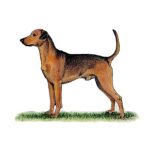
What Are the Traits and Care Tips for the German Pinscher?
The German Pinscher is a distinctive, medium-sized companion with a rich working heritage and an adaptable nature that suits a variety of homes. Whether you live in a bustling city apartment or a suburban neighborhood, this breed fits well into family life for those who want an energetic, loyal, and watchful dog that thrives on engagement and partnership. Known for their elegance, low maintenance grooming needs, and impressive athleticism, German Pinschers are perfect for people who appreciate an active and affectionate canine companion.
This breed is particularly appealing for experienced dog owners who are looking for a dog with both brains and drive. Bred originally as a determined hunter of rats and vermin, the German Pinscher remains highly alert and playful while also forming strong bonds with its family. With their handsome looks, manageable size, and strong-willed yet good-natured personality, they stand out as a rewarding choice for those willing to invest in training and exercise.
- Overview of the German Pinscher
- Key Characteristics
- Appearance of the German Pinscher
- Temperament & Behavior
- Care & Living Needs
- Health & Common Issues
- Official Breed Standard Summary
- Frequently Asked Questions
Group: Working
Size: Medium
Exercise needs: Up to 1 hour per day
Coat length: Short
Grooming: Once a week
Shedding: Yes
Lifespan: Over 10 years
Ideal home type: Small house
Town or country: Either
Garden needs: Small/ medium garden
Overview of the German Pinscher
The German Pinscher traces its roots back to Germany, where it served as a skilled and vigilant ratter on farms and in stables. This original breed, also known as the Standard Pinscher, is the forebear of more famous breeds such as the Dobermann and Miniature Pinscher, although it is less commonly seen today. Its historic function as a vermin hunter is reflected in its keen senses, quick reactions, and strong bite—qualities celebrated in its even name.
As time passed, the German Pinscher began to transition from its working roots to become a trusted family companion. Its moderate size and adaptability allow it to fit comfortably into modern living arrangements, including urban settings. Yet, the breed retains a natural athleticism and desire for activity, making it well-matched to owners who enjoy interactive play, regular walks, and mental challenges.
Those drawn to the breed often appreciate its combination of grace and robustness, as well as its low-maintenance coat and elegant, streamlined build. The German Pinscher welcomes the company of attentive, consistent owners who appreciate a bright, inquisitive, and steadfast dog by their side.
Key Characteristics
- Energy level – Lively and energetic, the German Pinscher benefits from daily exercise and playtime.
- Trainability – Responsive and intelligent, though sometimes strong-willed; works best with experienced handlers.
- Intelligence – Highly intelligent and quick to learn, requiring regular mental stimulation to prevent boredom.
- Prey drive – Retains a strong prey drive from its history as a vermin hunter; may instinctively chase small animals.
- Social needs – Enjoys being part of family activities and values close human companionship.
- Compatibility with families and children – Makes a loyal family dog with proper socialization and supervision, especially around young children.
- Compatibility with other dogs – Generally sociable but benefits from early socialization to ensure harmony with other dogs.
- Guarding or watchdog tendencies – Naturally alert and fearless, making an excellent watchdog who quickly notices anything unusual.
- Adaptability to city or country life – Versatile enough to thrive in both urban and rural environments, as long as exercise needs are met.
- Best suited owner type – Ideal for active, confident, and consistent owners with some prior dog experience.
- Typical daily routine – Involves brisk walks, play sessions, interactive training, and plenty of family time.
Appearance of the German Pinscher
The German Pinscher is a medium-sized dog, standing between 17 to 19 inches tall at the withers. Its appearance is defined by balanced proportions and athletic musculature, presenting a blend of elegance and underlying strength. The overall shape is lean, with a graceful, slightly sloping back, and the body length nearly equal to the height at the withers, giving a compact, square outline.
Its head is shaped like a blunt wedge—strong yet refined, with a flat, unwrinkled forehead. The muzzle is deep and powerful, complementing the breed’s historical function as a ratter. Eyes are dark, oval, and expressive, set forward for a keen and alert expression. The V-shaped ears sit high and fold close to the head, contributing to the breed’s attentive appearance. Jaws are strong and feature a precise scissor bite.
The German Pinscher’s neck is arched and elegant, blending smoothly into well-laid shoulders and straight forelegs. It boasts a moderately wide chest, a short-coupled back, and a slightly rounded croup. The hindquarters are muscular and well-angled, allowing for free, strong movement. Feet are compact and cat-like, with tough pads and dark nails.
The breed is known for its short, dense, glossy coat, which lies close to the body and glistens in good condition. Acceptable coat colors include solid red, fawn (also known as Isabella), black and tan, or blue and tan, with sharp delineation for bi-colored individuals. Any deviation from these recognized colors falls outside the breed standard.
Temperament & Behavior
High-spirited, self-possessed, and alert—these words capture the essence of the German Pinscher’s temperament. This is a lively dog with a naturally watchful and fearless disposition, always eager to participate in family life and stay involved with whatever is happening around the home.
In the home environment, the German Pinscher forms strong maternal or paternal bonds, acting as both playful companion and vigilant guardian. Its loyalty to its household is matched by its desire to interact and play. While inherently good-natured, early and consistent training is important to harness the breed’s confidence and ensure harmonious living, especially if children or other pets are present.
Originally bred for working tasks like guarding and search and rescue, the German Pinscher possesses an innate drive for purpose and engagement. Their intelligent and courageous nature makes them quick learners, although their independence can present challenges for less experienced handlers—they appreciate clear boundaries and consistent leadership.
While they are sociable with their families, their natural wariness toward strangers enhances their reputation as reliable watchdogs. Positive, ongoing socialization helps them become well-rounded community members, striking the perfect balance between playfulness at home and seriousness when alerting to the unfamiliar.
Care & Living Needs for the German Pinscher
The German Pinscher thrives on regular exercise, typically needing up to an hour of active engagement each day. A combination of brisk walks, energetic play, and occasional freedom in a safely-fenced garden suits their needs perfectly. This breed is adaptable to both small houses and larger homes, and can comfortably live in either town or country, as long as their mental and physical routine is not neglected.
With a short, low-maintenance coat, grooming is refreshingly simple—weekly brushing keeps the coat tidy and minimizes loose hair. While the breed does shed, especially seasonally, upkeep is modest compared to many other breeds. Occasional wiping with a damp cloth can restore the coat’s natural gloss.
Mental stimulation is just as vital as physical activity for the German Pinscher. Puzzle toys, obedience sessions, and advanced training routines are recommended to channel their intelligence and drive. This breed is happiest when given responsibility or dog sports to tackle, and they may grow bored or find mischief if under-challenged.
The breed is best suited to active owners who appreciate a lively, sometimes willful companion. Homes where the dog would be left alone for long periods or with owners seeking a completely placid or low-drive dog may not provide the structure a German Pinscher needs to remain happy and well-behaved.
Health & Common Issues
The German Pinscher is generally recognized as a fit and robust breed, benefitting from its strong working lineage. No specific breed health warnings or concerns are outlined in the available information, which points to a generally sound constitution.
As with all breeds, regular veterinary visits are recommended to maintain overall health. Responsible owners should maintain a balanced diet, promote appropriate exercise levels, and monitor weight to prevent any common canine health issues that can arise from inactivity or overindulgence.
Attention to dental hygiene, routine parasite control, and annual vaccinations are the cornerstones of good health maintenance for a German Pinscher. Early monitoring and intervention for any changes in energy, appetite, or behavior will help ensure a long, flourishing partnership with this enduring breed.
Official Breed Standard Summary
The official breed standard emphasizes the German Pinscher’s harmonious balance of strength, elegance, and purpose. Dogs should be sound, free of exaggerated features, and able to perform their intended role with vigor. Absolute fitness, functional movement, and health are priorities, ensuring both the well-being and longevity of the breed.
Breed members should ideally measure between 43-48 centimeters (17-19 inches) at the withers, with their body length closely matching their height. The coat is short, glossy, and lies smoothly against the body. Acceptable colors include solid fawn, red, and bi-colored patterns like black and tan or blue and tan, with sharp, clearly defined markings. Any deviation outside these parameters, especially regarding color and structure, is discouraged.
The breed’s movement is described as free, balanced, and vigorous, never exaggerated or hackneyed. Important physical features—like a well-arched neck, strong jaws, flat forehead, and muscular hindquarters—should be present without being overly pronounced. Faults are weighed according to the impact they have on health and welfare, and only the most balanced examples should be favored in exhibitions or breeding programs.
Prospective owners should understand that the guide measurements for size and form are ideals. Variations may occur, and suitability as a companion or working dog depends on an individual’s health and temperament rather than strictly on dimensions or color patterns.
Frequently Asked Questions about the German Pinscher
Is the German Pinscher good for first-time dog owners?
While the German Pinscher is intelligent and loyal, its spirited and sometimes independent nature means it is often best matched with experienced or confident dog owners who can provide consistent leadership and guidance.
How much exercise does a German Pinscher need daily?
This breed needs up to an hour of daily exercise, which can include walks, play sessions, or active games. Regular engagement keeps them content and well-behaved.
Is the German Pinscher good with children?
German Pinschers can make wonderful family companions when properly socialized from a young age. Supervision is important, especially around younger children, to ensure positive interactions for both child and dog.
Can the German Pinscher live in an apartment?
Yes, the German Pinscher can adapt to apartment living if given enough daily exercise and mental stimulation. They appreciate having a small or medium garden, but it’s not a strict necessity as long as their needs are met.
How much grooming does a German Pinscher need?
Grooming needs are minimal thanks to their short coat. Weekly brushing is generally sufficient to keep them clean and reduce shedding.
Are there common health concerns in this breed?
No specific breed-related health issues are noted, but as with any dog, regular veterinary care and a healthy lifestyle are essential to prevent common canine ailments.


