
What Are the Traits and Care Tips for the Griffon Bruxellois Breed?
The Griffon Bruxellois is a small companion dog with a distinctive, charming appearance and a personality to match. Known for its smart expression and lively attitude, this breed is well-suited to those seeking a devoted lapdog but who also appreciate a dog with a bit of spunk. Its playful character, manageable size, and adaptability make the Griffon Bruxellois a favorite among city dwellers and families in need of a compact canine companion.
This breed’s affectionate nature and adaptability mean it can thrive in many different living situations, from apartments to homes with small gardens. People looking for a small, alert, and engaging dog that’s more than just an ornament will be drawn to this breed. For those willing to devote a little extra time to grooming and daily interaction, the Griffon Bruxellois offers both companionship and lively entertainment.
- Overview of the Griffon Bruxellois
- Key Characteristics
- Appearance of the Griffon Bruxellois
- Temperament & Behavior
- Care & Living Needs
- Health & Common Issues
- Official Breed Standard Summary
- Frequently Asked Questions
Group: Toy
Size: Small
Exercise needs: Up to 30 minutes per day
Coat length: Medium
Grooming: More than once a week
Shedding: Yes
Lifespan: Over 12 years
Ideal home type: Flat/ Apartment
Town or country: Either
Garden needs: Small/ medium garden
Overview of the Griffon Bruxellois
Originating from Belgium, the Griffon Bruxellois has a storied history dating back to the 15th century. Early records and paintings depict small dogs with similar features to today’s Griffon, serving as alert companions and effective stable watchdogs. Their purpose was not just to keep an eye on the surroundings but to help control rodent populations in stables, making them small but valuable working dogs in their communities.
Over the centuries, the breed evolved into an affectionate companion for urban homes while retaining the alertness and intelligence from its working roots. There are two distinct coat varieties within the Griffon Bruxellois: the rough coat, which is most commonly seen, and the rarer smooth coat. Their unmistakable, almost “monkey-like” facial expression hints at the breed’s playful personality and endears them to those who appreciate a dog with real character.
The Griffon Bruxellois is perfect for owners who value close canine company but prefer a manageable, compact pet. This breed thrives in both cities and rural settings, making it an excellent choice for singles, seniors, and families looking for an affectionate, cheerful companion dog.
Key Characteristics
- Energy level – Moderate; requires around 30 minutes of intentional activity daily but enjoys play and interaction indoors.
- Trainability – Intelligent and responsive, though sometimes with a streak of independence.
- Intelligence – Bright and perceptive, picking up on cues and routines quickly.
- Prey drive – Remnants of their rodent-catching ancestry can spark a chase for small animals, but this is usually manageable.
- Social needs – Highly people-oriented and happiest when close to their human family; does not do well if ignored.
- Compatibility with families and children – Generally good with children, provided interactions are kind and supervised.
- Compatibility with other dogs – Can get along with other dogs, particularly if socialized from a young age.
- Guarding or watchdog tendencies – Naturally alert; will bark to alert owners of newcomers but is not aggressive or yappy.
- Adaptability to city or country life – Very adaptable; content in apartments as well as homes with small or medium gardens.
- Best suited owner type – Individuals or families able to provide companionship, gentle leadership, and routine grooming.
- Typical daily routine – Enjoys bursts of play, short walks, social interactions, and relaxing in their owner’s company.
Appearance of the Griffon Bruxellois
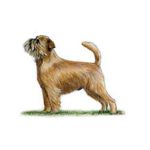
The Griffon Bruxellois stands out for its compact, square build and captivating facial expression. This breed is cobby and well-balanced, with the length from the withers to the base of the tail matching the height from withers to ground, giving a neat, squared silhouette. Despite its small stature, the breed conveys a sense of substance and sturdiness, often appearing heavier than its size might suggest.
One of the most distinctive features is the breed’s head. In proportion to its body, the head is quite large and rounded, with a prominent stop between the muzzle and skull. The muzzle itself is short and wide, with neatly turned lips and a well-developed chin. In the rough-coated variety, a beard adds to this unique profile. The eyes are dark, round, and sparkle with alertness, while the high-set, small ears contribute to its ever-curious look.
The breed comes in two main coat types: rough and smooth. The rough coat is harsh, wiry, and preferably features an undercoat; the smooth variety is tight and short. Common colors include clear red, black, or black with rich tan markings; red Griffons often have a desirable deeper shade on the face and ears. The breed standard emphasizes that white markings, or any color combinations outside of these, are not acceptable.
Size-wise, the Griffon Bruxellois is a petite dog, usually weighing between 7 and 11 pounds, with the most desirable weight range being 8 to 10 pounds. The tail, carried high and set at right angles from the back, curves gently when the dog is in motion, completing a picture of vitality and poise.
Temperament & Behavior
Known for being lively and alert, the Griffon Bruxellois brings a surprising amount of spirit to its role as a companion. This breed’s temperament reflects its historical working roots as well as its present-day position as a beloved lapdog. Quick to notice changes in the environment, it will readily signal the approach of unfamiliar people with a bark but is not prone to unnecessary yapping.
Social by nature, the Griffon Bruxellois thrives on human interaction. It bonds closely with its family, seeking attention and participating in day-to-day activities. These dogs are happiest in households where they can be included, whether that’s curling up beside their owner or joining in a family game. Being naturally intelligent, they enjoy challenges and benefit from interactive play and training sessions.
As a Toy group member, the breed is well-suited to the role of household companion. While many enjoy the presence of children, respectful and gentle handling is crucial, as their small size means they can be injured by rough play. Early socialization helps ensure they get along well with other dogs and even family cats, provided introductions are carefully managed.
Sometimes described as having the disposition of a terrier, the Griffon Bruxellois can display a stubborn or independent streak. Consistent expectations and positive reinforcement go a long way toward helping this intelligent little dog shine as a delightful member of the family.
Care & Living Needs for the Griffon Bruxellois
The Griffon Bruxellois is a relatively low-maintenance breed in terms of exercise, thriving on up to 30 minutes of physical activity per day. This might include a walk around the neighborhood, a brief session of fetch, or interactive indoor play. Despite their working dog background, these dogs don’t require extensive outdoor space to be content; small or medium gardens suit them well, and many flourish in flats or apartments as long as their social needs are met.
When it comes to grooming, there is variation based on coat type. The rough-coated variety needs brushing more than once a week to keep its wiry fur tidy and free from matting, while the smooth-coated variety requires less frequent attention but can still benefit from regular grooming. Both varieties will shed, so light vacuuming is to be expected if you share your home with a Griffon Bruxellois.
Mental stimulation is as important as physical exercise for this clever breed. Puzzle toys, training sessions, and exposure to new experiences help prevent boredom and keep the Griffon Bruxellois engaged. Training should be gentle but consistent; over-harsh methods can backfire with such a sensitive and intelligent breed.
This breed isn’t ideal for those who want a dog to spend much of its time alone or outside. The Griffon Bruxellois forms close bonds with its people and thrives on companionship. Owners who are often away from home for long stretches or prefer minimal involvement in their dog’s routine may find this breed demanding.
Health & Common Issues
The Griffon Bruxellois, like other brachycephalic (short-headed) breeds, can be prone to certain health tendencies linked to its distinctive facial structure. Its flat, wide skull gives it its signature face but may lead to breathing difficulties. Some Griffon Bruxellois might snore, pant heavily, or have noisy breathing, particularly if their nostrils are especially narrow or the tissue in their airways is excessive.
Dental health is another consideration. The shortened, undershot jaw that helps create the breed’s characteristic expression also means that the dog’s full set of teeth may be crowded into a smaller space. This can lead to dental and gum issues, so regular dental care and check-ups are important throughout the dog’s life.
It is advisable for owners to observe their Griffon Bruxellois for any signs of respiratory distress, maintain a healthy weight, and schedule routine veterinary visits. Balanced exercise, not overexerting during hot or humid weather, and a good dental care regimen all contribute to the breed’s well-being. As with any dog, early intervention and preventive care are key to promoting a long and happy life.
Official Breed Standard Summary
The official breed standard for the Griffon Bruxellois outlines the key attributes defining a healthy, well-proportioned representative of the breed. The aim is to maintain not only the breed’s characteristic look and temperament but also its overall soundness and suitability as a companion dog. Proportionality, cobby balance, and alert expression are all vital to the breed’s correct appearance.
Acceptable size typically ranges from 7 to 11 pounds, though the ideal is 8 to 10 pounds. The colors considered most desirable include clear red, black, and black with rich tan markings, and the coat may be either rough and wiry or smooth and tight. The standard emphasizes evenness of color and discourages any white markings or color combinations outside the specified range.
Healthy movement—free-moving with good rear drive, never high-stepping—and a level topline complete the overall impression. The standard discourages any exaggerations or features that would hinder the dog’s health or function, focusing instead on maintaining soundness and practical attributes. The official guidelines also recommend breeders and judges be vigilant for conditions that could compromise welfare.
While the standard provides guidance on the ideal Griffon Bruxellois, actual dogs might fall slightly outside the specified sizes or weights, and prospective owners are encouraged to prioritize health and well-being alongside breed appearance. Male dogs should have two normally descended testicles.
Frequently Asked Questions about the Griffon Bruxellois
Is the Griffon Bruxellois good for first-time dog owners?
Yes, many first-time owners find the Griffon Bruxellois manageable due to its size, moderate exercise needs, and affectionate nature. Consistent guidance and early socialization ensure a rewarding companionship.
How much exercise does a Griffon Bruxellois need daily?
The Griffon Bruxellois requires up to 30 minutes of exercise per day, which can be met through short walks and active play. They enjoy mental stimulation as much as physical activity.
Is the Griffon Bruxellois good with children?
The breed generally does well with children, especially when treated gently and with respect. As with all small breeds, interactions should be supervised to prevent accidental injury.
Can the Griffon Bruxellois live in an apartment?
Absolutely. This breed adapts well to apartment living thanks to its small size and moderate activity level, provided it receives daily engagement and social interaction.
How much grooming does a Griffon Bruxellois need?
Rough-coated Griffon Bruxellois need brushing more than once a week to keep their coat in good shape, while the smooth variant is lower maintenance. Regular grooming helps control shedding and maintains skin health.
Are there common health concerns in this breed?
The main concerns include breathing and dental issues associated with flat-faced breeds. Routine veterinary care and monitoring help keep these dogs healthy and comfortable throughout their lives.


