
What Are the Traits and Care Tips for the Havanese Breed?
The Havanese is a joyful and affectionate companion, ideal for households that wish to add a lively yet gentle dog to their family. Recognized for its charming personality and striking silky coat, this breed has gained popularity among both city dwellers and those living in suburban or country settings. The Havanese suits families, singles, and older adults seeking a loyal, interactive friend who adapts well to various living environments.
With their heritage as devoted lap dogs, Havanese thrive as cherished companions. They are often found playing with children, curling up next to their people, or accompanying their owners on daily errands. The Havanese brings warmth, intelligence, and a touch of elegance to any household, making it a favorite among those looking for a small dog with a big heart.
- Overview of the Havanese
- Key Characteristics
- Appearance of the Havanese
- Temperament & Behavior
- Care & Living Needs
- Health & Common Issues
- Official Breed Standard Summary
- Frequently Asked Questions
Group: Toy
Size: Small
Exercise needs: Up to 30 minutes per day
Coat length: Long
Grooming: Every day
Shedding: No
Lifespan: Over 12 years
Ideal home type: Flat/ Apartment
Town or country: Either
Garden needs: Small/ medium garden
Overview of the Havanese
Tracing its origins back to the Mediterranean basin, the Havanese came to Cuba with Spanish or Italian traders, becoming deeply connected with Cuban culture as the country’s national dog. When Cuba underwent significant political changes, many families emigrated to the United States, bringing these charming dogs with them and introducing the breed to a broader audience.
The Havanese has developed a distinct personality and look over the centuries, forged through companionship and close human contact. Known for its social nature and ability to adapt to different lifestyles, the Havanese fits comfortably in a variety of settings, whether it’s a busy metropolitan apartment or a quiet suburban house with a small backyard. While their primary role has always been as a companion, these dogs are clever, energetic, and resilient, reflecting the spirit of the families who have cherished them for generations.
A Havanese is especially well-suited for individuals and families who desire a close bond with their dog, as these pups thrive on regular interaction and affection. Their manageable size, minimal shedding, and spirited personalities make them a popular choice for first-time owners and seasoned dog enthusiasts alike.
Key Characteristics
- Energy level – The Havanese is an active breed, but its small size means daily play or a short walk is usually enough.
- Trainability – Highly responsive and eager to please, this breed enjoys learning and responds well to gentle guidance.
- Intelligence – Bright and quick-witted, Havanese are known to pick up tricks and rules with ease.
- Prey drive – Typically has a low prey drive, but may occasionally chase after a toy or small moving object in play.
- Social needs – Very people-oriented, the Havanese craves social contact and can become unhappy if left alone for extended periods.
- Compatibility with families and children – Excellent with children, making them ideal family dogs and gentle playmates.
- Compatibility with other dogs – Generally friendly towards other dogs and pets, especially when socialized early.
- Guarding or watchdog tendencies – Will alert their owners to newcomers but are not aggressive or overly territorial.
- Adaptability to city or country life – Equally at home in apartments or houses with a small or medium garden.
- Best suited owner type – Thrives with owners seeking a full-time companion who can offer daily interaction and activities.
- Typical daily routine – Enjoys a balanced mix of play, companionship, rest, and brief outdoor walks.
Appearance of the Havanese
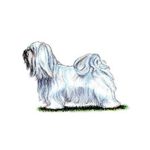
The Havanese presents as a small, sturdy dog, slightly longer in body than its height at the withers. Its balanced and compact frame gives an impression of strength and durability while maintaining a youthful and animated demeanor. Standing ideally between 9 to 11 inches at the shoulder, this breed’s overall silhouette is one of elegance and proportion, with a profusely feathered tail gracefully arching over its back.
One of the most striking features is the Havanese’s luxurious, soft coat. This long, silky covering can be wavy or slightly curled and is generously full, allowing for a wide variety of grooming styles. Notably, the breed does not shed, making it a consideration for allergy-sensitive families. The coat comes in a stunning array of shades: black, chocolate, cream, gold, red, sable, tan, tricolor, white, and many beautiful combinations, reflecting individual uniqueness. Only the merle pattern is not permitted.
The head is broad and slightly rounded, with a muzzle equal in length to the skull. Expressive, almond-shaped dark eyes radiate gentleness, framed by moderately dropped ears set just above eye level. The overall facial features evoke a sweet, approachable aura, while the solid pigmented nose and lips—typically black or matching darker brown shades—add to the breed’s distinguished look. Legs are straight and of medium bone, feet are small and hare-shaped, and the movement is free and distinctly springy, showing the Havanese’s zest for life.
Temperament & Behavior
The Havanese is known for a friendly, outgoing attitude and a lively, affectionate disposition. These dogs are exceptionally gentle with both people and other animals, thriving on regular companionship and loving engagement from their human family. Their nature is shaped by centuries of being bred primarily as companion dogs, resulting in a trusty and sociable temperament.
At home, the Havanese seeks to be a central part of daily life, joining in on games, quiet cuddles, or simply observing household activities. Their intelligence and sensitivity make them quick to read the moods of their owners, offering comfort during quiet moments and joining in with playful enthusiasm when invited. As Toy group members, they align with the category’s signature love for attention and connection.
Around children, Havanese display patience and enthusiasm, making them reliable playmates for households with kids. They typically get along well with other dogs and household pets, especially if socialized from a young age. While not aggressive or dominant, they do make attentive watchdogs, alerting their families to anything unusual without being yappy or nervous.
Their lively spirit does mean they require ample interaction and gentle boundaries. Owners who provide structure, positive reinforcement, and affection are rewarded with an adaptable, joyful dog who shines in a variety of environments.
Care & Living Needs for the Havanese
Despite their glamorous appearance, Havanese are relatively low maintenance when it comes to exercise. A daily walk and a few short play sessions, totaling up to 30 minutes, keep them happy and healthy. These dogs do very well in flats or apartments, thanks to their modest size and moderate activity needs, and are equally comfortable in homes with small or medium gardens. Whether in a city or rural area, the Havanese adjusts well as long as they receive sufficient companionship and mental stimulation.
The breed’s beautiful long coat does require daily grooming to maintain its soft, silky texture and prevent tangles. Brushing each day is a must, and while Havanese do not shed, regular grooming also reduces dander and keeps their skin healthy. Occasional baths, ear checks, and routine nail trims should be part of the grooming routine. The coat is full, often with a gentle wave, and should never be clipped short unless for comfort or owner preference.
Havanese are intelligent and eager to please, so incorporating training and mental activities into their routine keeps their minds as sharp as their appearance. Enrichment toys, gentle training sessions, and varied experiences around people and other pets help prevent boredom. Positive reinforcement works best, as these sensitive dogs respond beautifully to kind words and rewards.
This breed is not best suited for those seeking a completely independent dog that spends long hours alone. People who travel frequently or have demanding schedules with little time at home may find the Havanese’s social needs a challenge. It’s also less ideal for those unwilling to commit to daily coat care or those desiring a high-energy sporting breed.
Health & Common Issues
The Havanese is generally regarded as a robust breed, with many individuals living well past twelve years given proper care. Their sturdy frame and playful energy are a testament to their resilience, but as with all breeds, regular veterinary checks are important to maintain optimal health.
While no major health concerns are highlighted for this breed in official summaries, responsible ownership includes monitoring body weight, dental hygiene, and overall wellbeing. Attention to their luxurious coat—keeping it clean and free from mats—also contributes to their health, as hygiene issues can arise if coat maintenance is neglected. Scheduled professional grooming may benefit those not comfortable with daily brushing.
Maintaining a balanced diet, consistent exercise, and quality time with family are vital. Observing your Havanese for any changes in behavior or energy is helpful to catch any developing issues early. Regular vet visits help ensure that vaccination and preventative care remain up to date, supporting a long, healthy life for your companion.
Official Breed Standard Summary
The official breed standard describes the Havanese as a sturdy, small dog—slightly longer than tall—with a profuse coat and a distinctive tail carried in a plume over the back. Movement should be free, accompanied by a light, springy gait demonstrating the breed’s joyful outlook. Ideal size ranges from 23 to 28 centimeters at the shoulder, though individual dogs may fall outside these measurements.
The head should be broad and rounded, with equal proportions between muzzle and skull. The eyes are large, dark, and almond shaped, framed by moderately pointed, dropped ears set just above eye level. Expression and pigmentation of the nose and lips are typically black, while brown shades may have matching brown pigment.
The Havanese’s coat is a hallmark of the breed: long, soft, and silky with a wavy or slightly curled appearance and a full undercoat. All colors and combinations are allowed except for the merle pattern. The breed is expected to be sound in all respects; any feature or exaggeration detrimental to health or welfare is considered a fault and should not be rewarded in conformation.
For potential puppy buyers, size and coat descriptions in the standard serve as a guide, but slight variations in height or build are not uncommon. The presence of healthy, fully descended testicles in males is also a key point noted. Whenever considering show or breeding stock, attention to both aesthetic ideal and wellbeing is essential for the breed’s future.
Frequently Asked Questions about the Havanese
Is the Havanese good for first-time dog owners?
Yes, the Havanese is a great choice for first-time owners due to its affectionate nature, easy trainability, and manageable exercise needs. Their eagerness to please and sociable attitude make them a reliable and rewarding companion.
How much exercise does a Havanese need daily?
The Havanese requires up to 30 minutes of exercise each day. A mixture of short walks and playful indoor or garden activities is usually sufficient to keep them content and healthy.
Is the Havanese good with children?
This breed is known for its gentle and patient demeanor, making it an excellent playmate for children. Early socialization helps reinforce positive interactions with kids of all ages.
Can the Havanese live in an apartment?
The Havanese adapts very well to apartment living due to its small size and moderate energy level. As long as they receive daily attention and exercise, apartments or flats make suitable homes.
How much grooming does a Havanese need?
Daily grooming is important for the Havanese to prevent tangles and mats in their long, silky coat. Regular brushing, occasional baths, and routine ear and nail care are recommended for this breed.
Are there common health concerns in this breed?
No major health concerns are specifically highlighted for the Havanese, but general care—including weight management, dental care, and regular check-ups—helps ensure a long, healthy life.


