
What Are the Traits and Care Tips for Italian Greyhounds?
The Italian Greyhound is a captivating option for anyone seeking an elegant, lively, and endearing companion. With its slim build and refined lines, this breed combines the spirit of a classic sighthound with the accessibility of a smaller, easier-to-manage size. Those attracted to graceful movement, affectionate temperaments, and unique looks often find the Italian Greyhound to be a standout choice for a canine companion.
This breed excels as a family pet or cherished companion for individuals and couples alike. It thrives in both city apartments and country homes, fitting easily into various lifestyles. With their striking looks and loving nature, Italian Greyhounds create strong bonds with those who appreciate their sensitivity and refined character.
- Overview of the Italian Greyhound
- Key Characteristics
- Appearance of the Italian Greyhound
- Temperament & Behavior
- Care & Living Needs
- Health & Common Issues
- Official Breed Standard Summary
- Frequently Asked Questions
Group: Toy
Size: Small
Exercise needs: Up to 1 hour per day
Coat length: Short
Grooming: Once a week
Shedding: No
Lifespan: Over 12 years
Ideal home type: Small house
Town or country: Either
Garden needs: Small/ medium garden
Overview of the Italian Greyhound
The Italian Greyhound stands out as one of the oldest companion breeds, with ancestry reflecting images found in ancient Egyptian tombs and Roman art. Originally bred as a miniature version of the sighthound, its sleek, delicate structure is a hallmark of centuries of appreciation for both form and function. The breed’s refinement and elegance have long appealed to noble families and households seeking both beauty and companionship.
This breed’s reputation for gentle companionship makes it an exemplary choice for people who value sensitivity and grace in a pet. Italian Greyhounds are known for being affectionate and charming, intuitively forming close connections with their owners. They adapt well to most living environments, including small homes and apartments, yet they still require regular opportunities for play and short bursts of exercise.
The Italian Greyhound’s combination of athletic, elegant lines and a loving, responsive nature ensures its popularity among dog lovers who seek a pet that is as pleasing to the eye as it is affectionate to the heart.
Key Characteristics
- Energy level – This breed is active and lively but does not demand marathon exercise sessions. Short daily outings and safe play are ideal.
- Trainability – Italian Greyhounds are intelligent and quick to learn but can have an independent streak, requiring gentle, reward-based approaches.
- Intelligence – High, with a keen ability to read moods and respond to familiar routines.
- Prey drive – As small sighthounds, they may chase small, fast-moving animals, so a secure area is recommended for off-leash activity.
- Social needs – Italian Greyhounds thrive on companionship, often seeking the company of people or other dogs in the household.
- Compatibility with families and children – Usually affectionate with children, though care is needed due to their fine bones; best for families who teach respectful handling.
- Compatibility with other dogs – Generally peacefully cohabits with other dogs, especially those of similar size and energy level.
- Guarding or watchdog tendencies – Not suited to guarding; their gentle disposition and small size make them more likely to seek reassurance than to protect.
- Adaptability to city or country life – Well-suited to both city and country living, provided their exercise and play needs are met in a safely enclosed space.
- Best suited owner type – Households seeking a sensitive, affectionate companion willing to provide gentle leadership and routine.
- Typical daily routine – Regular moments of affection, one or two walks or bursts of supervised play, and plenty of time at home with their people.
Appearance of the Italian Greyhound
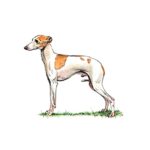
The Italian Greyhound presents a distinctive, graceful figure, embodying many of the trademarks of its larger sighthound relatives—but in a much slenderer, smaller scale. Measuring ideally between 12½ to 15 inches at the shoulder and weighing around 8 to 10 pounds, these dogs are exceptionally elegant, with a body developed for lightness and agility.
The breed’s head is long and narrow, with a slightly flattened skull and a refined, expressive muzzle. Eyes are notably large and bright, offering a depth of expression that is remarkably appealing. The rose-shaped ears are set well back and feel soft and delicate to the touch. Around the mouth, strong jaws and a correct scissor bite reflect the breed’s attention to both aesthetics and function.
Italian Greyhounds have a long, arched neck leading into sloping shoulders and straight, fine-boned legs. Their chest is deep and narrow, giving way to a gently arched back and a well-muscled hindquarters, which provide the smooth, high-stepping gait for which the breed is renowned. The tail is long, low-set, and carried in a fine curve, further emphasizing the hound’s sense of balance and elegance.
The coat is a defining feature—short, fine, and glossy, lying closely against the skin and revealing the dog’s muscled lines. Colors are varied and sophisticated, ranging from black, blue, cream, fawn, red, and white, or any of these broken with white. Patterns such as merle or brindle, or any colour combination with tan markings, are not acceptable. The clean lines and variety of hues make every Italian Greyhound unique, yet unmistakably true to the breed’s standards.
Temperament & Behavior
At home, the Italian Greyhound is known for its intelligence, affection, and liveliness. While these dogs build deep bonds with their owners, they can sometimes display an aloof manner toward strangers or in new environments, preferring the comfort of trusted company. Their sensitivity means they respond well to gentle, encouraging handling rather than harsh corrections.
As a member of the Toy group, the Italian Greyhound is bred to share life closely with people, often enjoying the role of lap dog or shadow. They often excel at picking up on household routines and gravitate toward routines and environments that offer reassurance and predictability. Their social needs are high—they want to be part of the action and included as members of the family.
While they get along well with other dogs, especially those of similar temperament and size, care should be taken with interactions involving much larger or more boisterous breeds. Their bones are fine and more fragile than those of sturdier types, so respectful handling is a must—especially for homes with young or excitable children. These hounds may be reserved around new pets or people but quickly warm up if properly introduced and given time.
Watchdog abilities are minimal. Italian Greyhounds may bark at unexpected sounds, but their gentle, affectionate nature means they are ill-suited to protective duties. Instead, their strengths lie in companionship, intuitive empathy, and offering gentle amusement with their spirited mannerisms and playful antics.
Care & Living Needs for the Italian Greyhound
Italian Greyhounds are content with moderate exercise, typically requiring up to an hour daily. Short walks and lively play sessions in a safe, enclosed space fulfill their needs and keep their muscles toned without the risk of overexertion. They benefit from a secure, small to medium garden, which allows space for exploration and gentle chasing games.
Home size is not a major concern for this breed, as Italian Greyhounds adapt well to apartment living or small houses, as long as their exercise and social needs are met. Their adaptable nature means they thrive in both town and country settings, provided their space is safe and escape-proof. Due to their strong attachment to their people, leaving them alone for long stretches is discouraged.
Grooming is refreshingly simple—weekly brushing usually suffices thanks to their short, fine coat, and shedding is minimal to nonexistent. Occasional baths and routine care of teeth, nails, and ears keep the breed looking and feeling their best. The breed’s delicate build and fine skin mean rough play or exposure to harsh weather should be avoided, as they feel cold more acutely.
Mental stimulation is just as important as physical activity. Italian Greyhounds enjoy gentle training, interactive toys, and games that challenge their intelligence. They respond exceptionally well to positive reinforcement, consistency, and patient leadership. They may not suit households seeking a rugged playmate for rough outdoor adventures or owners unable to provide gentle guidance and ample companionship.
Health & Common Issues
Italian Greyhounds are known for generally robust health and a life expectancy well over 12 years. Maintaining healthy weight and regular veterinary visits help to ensure their well-being across a long lifespan. Their slim, fine bones require some precaution to avoid accidental injuries, especially during active play or around larger animals.
Routine dental care is important for this breed given their size and tooth conformation. Simple daily checks and brushing, as well as veterinary cleanings, help maintain healthy teeth and gums. Monitoring for signs of joint sensitivity or injury, and providing regular but moderate exercise, safeguards their finely structured limbs from strain.
Regular check-ups, prompt attention to minor injuries, and a balanced, appropriate diet keep the Italian Greyhound well-equipped for an active and happy life. Their low-shredding coat also helps minimize skin issues, provided basic grooming and cleanliness are observed.
Official Breed Standard Summary
The official breed standard for the Italian Greyhound describes a dog of miniature sighthound proportions—light, slender, and exuding singular elegance. Every element of its build, from the fine-boned head to the gently arched back, is designed with grace and sound movement in mind. The high-stepping, free gait and the breed’s characteristic curves reflect both beauty and athletic efficiency.
Acceptable colors include black, blue, cream, fawn, red, white, and combinations thereof, provided they are not merle, brindle, or include tan markings. The coat should always be short, glossy, and smooth, accentuating the smooth musculature beneath. The ideal height falls between 32-38 cm at the withers, with a corresponding weight of 3.6 to 4.5 kg.
Key points of the breed standard emphasize soundness in all aspects: correct bite, bright and expressive eyes, low-set tail, well-proportioned legs, and grace of outline. Faults are assessed based on their impact on health and welfare. The standard also provides reminders that dogs may vary in size outside the ideal range, and that males should exhibit two fully descended testicles.
Well-bred Italian Greyhounds embody this harmonious standard, displaying balance, resilience, and striking lines that remain true to centuries of tradition as both hounds and esteemed companions.
Frequently Asked Questions about the Italian Greyhound
Is the Italian Greyhound good for first-time dog owners?
Yes, the Italian Greyhound can be a great choice for first-time owners who are prepared to offer gentle handling and consistent routines. Their sensitive nature suits those willing to invest time in building a trusting relationship.
How much exercise does an Italian Greyhound need daily?
Italian Greyhounds generally require up to one hour of exercise each day. Short walks, safe play sessions, and occasional sprints in a secure area are usually enough to keep them happy and healthy.
Is the Italian Greyhound good with children?
They can be affectionate with children who are gentle and respectful. Because of their fine bones, they are best in homes where children understand how to interact carefully with small dogs.
Can the Italian Greyhound live in an apartment?
Absolutely. Their small size and adaptable temperament make them well-suited to apartment living, provided they get daily walks and time for supervised play in a secure space.
How much grooming does an Italian Greyhound need?
This breed is very low maintenance when it comes to grooming. Weekly brushing and regular care of teeth, nails, and ears are usually sufficient to keep them in good condition.
Are there common health concerns in this breed?
Italian Greyhounds are generally healthy, but attention should be given to protecting their delicate bones from injury and maintaining dental hygiene. Routine veterinary check-ups help ensure they stay in excellent condition.


