
What Are the Traits and Care Tips for the Japanese Chin Breed?
The Japanese Chin is a captivating toy breed known for its elegant looks, refined presence, and companionship qualities. This breed is well-suited for those seeking a gentle and affectionate companion, whether living in a city apartment or a suburban home. With its small size and adaptable temperament, the Japanese Chin makes for an excellent companion to singles, seniors, and families alike.
This breed has charmed dog lovers with its expressive face and aristocratic poise. Often happiest lounging indoors or nestled beside its owner, the Japanese Chin is not a working breed but rather an ideal lapdog and housemate. Those looking for a sociable, clean, and endearing pet may find the Japanese Chin an outstanding fit for their lifestyle.
- Overview of the Japanese Chin
- Key Characteristics
- Appearance of the Japanese Chin
- Temperament & Behavior
- Care & Living Needs
- Health & Common Issues
- Official Breed Standard Summary
- Frequently Asked Questions
Group: Toy
Size: Small
Exercise needs: Up to 30 minutes per day
Coat length: Medium
Grooming: More than once a week
Shedding: Yes
Lifespan: Over 10 years
Ideal home type: Flat/ Apartment
Town or country: Either
Garden needs: Small/ medium garden
Overview of the Japanese Chin
The Japanese Chin, despite its name, traces its early roots back to China, where it was treasured as an imperial companion. It is believed that the breed was introduced to Japan as a valued gift from the Chinese Empress, where it flourished and acquired its current breed identity. Over the centuries, the Japanese refined the Chin into the aristocratic, elegant dog we know today, prized for its companionship, grace, and distinct appearance.
Traditionally, Japanese Chins were regarded as lapdogs to the nobility, living indoors and enjoying a pampered lifestyle. Their compact size and need for companionship made them favorites in palaces and homes alike. Today, the breed retains much of that regal demeanor, adding charm and poise to any household. Japanese Chins tend to bond closely with their owners and thrive on human attention, making them perfect for individuals and families who value affectionate indoor pets over high-energy working or sporting dogs.
The breed is especially appealing to those seeking a gentle, low-exercise companion that fits easily into various living arrangements. Japanese Chins adapt well to smaller homes, apartments, and urban environments, requiring only modest daily exercise and space. Their clean habits, expressive personalities, and minimal demands contribute to their growing popularity as much-loved companions worldwide.
Key Characteristics
- Energy level – The Japanese Chin is calm indoors and typically has low to moderate exercise requirements.
- Trainability – Intelligent and eager to please, though may prefer gentle, rewarding training methods rather than strict routines.
- Intelligence – This breed is quick-witted and observant, often reading its owner’s moods and responding promptly.
- Prey drive – Generally low; the breed is not known for hunting or chasing, making it a safe companion for other small pets.
- Social needs – Craves companionship and forms strong bonds, preferring not to be left alone for long periods.
- Compatibility with families and children – Gentle and good-natured with children, particularly when interactions are respectful and calm.
- Compatibility with other dogs – Usually sociable and tolerant with other dogs, especially those of similar temperament and size.
- Guarding or watchdog tendencies – Not a typical watchdog, but may alert to newcomers due to its alertness.
- Adaptability to city or country life – Perfectly suited to both settings, thriving in apartments and homes with small or medium gardens.
- Best suited owner type – Ideal for singles, seniors, or families seeking a low-maintenance, affectionate companion.
- Typical daily routine – Enjoys short walks, gentle play indoors, and plenty of snuggling time with their humans.
Appearance of the Japanese Chin
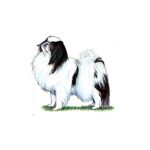
The Japanese Chin is instantly recognizable for its refined, aristocratic look that radiates both charm and elegance. Small and dainty without seeming fragile, this breed is compact, standing as tall as it is long, and exudes confidence in its posture. The abundant coat adds to its regal impression, framing the body in a soft, silky cascade that is particularly profuse around the neck and chest.
The head of the Japanese Chin is relatively broad yet in proportion with the body, with a rounded front and moderate width between the ears. Its muzzle is short and wide, giving a well-cushioned appearance, while the nose is prominent with open nostrils—usually black, though it may match the red markings in some dogs. The breed’s most unique feature is its expressive eyes: moderately large, dark, and set wide apart, with a touch of white at the inner corners that produces the unmistakable look of astonishment.
The ears are small, V-shaped, set high on the head and richly feathered, carried to the side rather than upright. The tail is plumed, curving gracefully over the back, another hallmark of the breed’s elegance. Legs are slender yet straight, with fine bone and long feathering, finished with hare-like feet. The gait of the Japanese Chin is light, stylish, and smooth, with good reach and an effortless grace.
Coat colors are generally black and white, red and white, or various shades of sable and white. Reds can range from lemon to bright orange, but tricolor patterns are not acceptable. The evenly distributed patches of color, particularly around the cheeks and ears, accentuate the breed’s expressive facial features. Ideal adult weight ranges from 4 to 7 pounds (1.8–3.2 kg), with a preference for small, dainty examples as long as health and structure are not compromised.
Temperament & Behavior
The Japanese Chin is a delightful companion, celebrated for its happy and gentle nature. Endearing, affectionate, and attentive, it thrives on human interaction and is happiest when included in daily family life. The breed’s intelligence is paired with a unique blend of independence and devotion—a balance that many owners find highly appealing.
At home, the Japanese Chin is sociable and rarely demanding, content to curl up beside its owners or quietly observe its surroundings. This breed’s playful side emerges in short bursts, often punctuated by comical antics and a style of movement that can resemble feline grace. Indeed, some even liken the Chin’s facial cleaning habits to those of cats, such as delicately wiping its face with its paws.
Interactions with children and visitors are typically marked by patience and sweetness, provided the dog is treated with respect. While generally outgoing with people and other animals, the Japanese Chin can be initially reserved with strangers but seldom aggressive. It’s well-suited to households that value peace and harmony, as it is easily unsettled by rough handling or a noisy, chaotic environment.
As a member of the Toy group, the Japanese Chin delights in attention and is happiest as a companion. It is less likely to exhibit guarding behaviors than some breeds, though it may alert to new arrivals with a few cheerful barks. Its primary motivation is to please and connect, not to serve as a watchdog or guard dog.
Care & Living Needs for the Japanese Chin
The Japanese Chin requires only modest exercise—about 30 minutes each day will suffice, making the breed particularly suitable for apartment dwellers or those with limited mobility. Short walks and gentle play sessions, either indoors or in a secure garden, are usually enough to keep this breed happy and healthy. While they enjoy the outdoors, Japanese Chins do not have high stamina or need for vigorous activities.
The breed is adaptable to various living arrangements, thriving in flats, apartments, or houses with small to medium gardens. Whether in the city or the countryside, the Japanese Chin adjusts well as long as it has a safe, comfortable indoor environment and regular companionship. They can cope with urban bustle or quieter settings, as long as their social and environmental needs are met.
Grooming is a key requirement for this breed. Their long, silky, and straight coat tends to shed and is best maintained with brushing several times a week to prevent tangles and distribute natural oils. Although the coat is not prone to matting like some other long-haired breeds, attention to feathered areas around the ears, tail, and legs is important. Their elegant appearance can only be maintained with regular grooming and a watchful eye for hygiene, as the breed is known for its fastidious cleanliness.
In terms of training, the Japanese Chin responds well to positive, gentle methods. While they are clever and perceptive, they may become bored with repetitive tasks or harsh approaches. Owners are encouraged to use varied, reward-based activities that stimulate the dog’s mind as well as provide moderate physical activity.
The Japanese Chin may not be an ideal choice for very young children who play roughly, or for households where the dog would frequently be left alone. Those seeking a highly active or guarding breed may find the Chin’s temperament and energy levels too gentle or low-key to suit their needs.
Health & Common Issues
The Japanese Chin’s charming flat face and short muzzle give it the signature look so many admire, but these features are accompanied by some specific health considerations. The breed’s skull shape is classified as brachycephalic, which can, for some individuals, be associated with certain challenges related to breathing and dental health.
Some Japanese Chins may experience restricted airways due to the amount of soft tissue in the nose and throat, leading to heavier panting, snoring, or noisy breathing. Narrow nostrils may contribute to these difficulties. Owners should be mindful of symptoms and support the dog’s breathing by avoiding excessive heat and overexertion.
The short jaw structure, while aesthetically appealing, can sometimes result in overcrowding of teeth, which may place the breed at risk for dental and gum problems. Consistent dental hygiene and regular veterinary check-ups can help maintain oral health and prevent issues arising from the compressed jaw structure.
As with all breeds, maintaining a healthy weight, providing suitable exercise, and monitoring for any changes in behavior or respiration are crucial. Routine visits to the vet can catch potential problems early and help your Japanese Chin enjoy a long, active life with you.
Official Breed Standard Summary
The official breed standard for the Japanese Chin highlights its elegantly balanced, aristocratic appearance, and compact size. The Chin’s general proportions should be square and cobby, with the length of body matching the height at withers, and the overall impression one of grace and poise. Type, quality, and soundness are not to be sacrificed in pursuit of extreme daintiness.
In terms of color, only black and white, and red and white are accepted, with the brightest reds preferred. All markings should be clear and evenly distributed, particularly on the cheeks and ears. The Chin’s coat must be profuse, long, soft, and straight with a silky texture, notably free from any curl or waviness and tending to stand out, especially around the neck frill.
The movement of the Japanese Chin should be stylish and smooth, with straight gait and a sense of elevation and poise. Any departure from correct type or temperament—such as wry mouth, tongue showing, or deviation from standard color patterns—should be considered a fault, with severity judged by its impact on overall well-being.
Prospective owners are advised that the breed standard serves as an ideal and not all individual Chin will match the exact measurements described. Soundness, health, and harmony of structure are the most important qualities as outlined by the official standard.
Frequently Asked Questions about the Japanese Chin
Is the Japanese Chin good for first-time dog owners?
Yes, the Japanese Chin is well-suited for first-time owners due to its gentle, affectionate nature and easy adaptability. Its moderate exercise needs and manageable size make it a practical choice for those new to dog ownership.
How much exercise does a Japanese Chin need daily?
The Japanese Chin requires up to 30 minutes of exercise per day. A couple of short walks and some gentle playtime indoors or in a secure yard will keep them happy and healthy.
Is the Japanese Chin good with children?
The breed is typically gentle and patient with respectful children, making it a suitable family companion. Supervision is encouraged around very young or energetic children to ensure the dog’s comfort and safety.
Can the Japanese Chin live in an apartment?
Absolutely. The Japanese Chin thrives in apartments or smaller homes due to its size and relatively low exercise requirements. Regular attention and mental stimulation are important regardless of the living environment.
How much grooming does a Japanese Chin need?
This breed has a long, silky coat that requires brushing more than once a week to keep it clean and healthy. Regular grooming will also help manage shedding and prevent tangles, especially in feathered areas.
Are there common health concerns in this breed?
The Japanese Chin can be prone to breathing and dental challenges associated with its flat face and short muzzle. Routine veterinary care, dental hygiene, and observing for any breathing difficulties can help keep your Chin healthy.


