
What Are the Traits and Care Tips for the Harrier Breed?
The Harrier is a distinctive scent hound that sits comfortably between the smaller Beagle and the taller Foxhound. Traditionally bred for stamina, scent work, and the capacity to hunt over sprawling countryside, this breed brings both historical depth and admirable versatility to the canine world. Not commonly seen as a family pet, the Harrier remains a hidden gem for those seeking an energetic, loyal, and intelligent companion with a deep-rooted working heritage.
This breed is ideally suited to active owners who appreciate time outdoors and can provide ample space for a lively dog. The Harrier thrives where it can explore, exercise, and use its superb sense of smell, making it best for country living and large family homes with gardens. Known for being friendly and affectionate, this breed integrates well into the right household but also needs firm boundaries and thoughtful routine to reach its full potential as a companion.
- Overview of the Harrier
- Key Characteristics
- Appearance of the Harrier
- Temperament & Behavior
- Care & Living Needs
- Health & Common Issues
- Official Breed Standard Summary
- Frequently Asked Questions
Group: Hound
Size: Large
Exercise needs: More than 2 hours per day
Coat length: Short
Grooming: Once a week
Shedding: Yes
Lifespan: Over 12 years
Ideal home type: Large house
Town or country: Country
Garden needs: Large garden
Overview of the Harrier
The Harrier is a breed with a distinguished, centuries-old heritage. This hound sits midway in size between the Foxhound and the Beagle, sharing a striking resemblance with both due to their shared ancestry. Bred specifically to hunt hare, the Harrier’s name reflects its purpose, and it was sometimes referred to as the “Hare Hound”. The breed’s origins trace as far back as the thirteenth century, shaping its robust, athletic build and energetic spirit.
Originally, Harriers worked in packs and were followed by hunters on foot, relying on their exceptional scenting ability and endurance. In the nineteenth century, selective interbreeding with the Foxhound introduced a lighter frame and even greater speed, allowing hunts to be followed on horseback. Despite their noble past, Harrier packs have become far less common in recent times, and the breed remains relatively rare as a household companion.
For the right owner, the Harrier can be an affectionate and smart companion. Their high activity level, intelligence, and sociable nature suit families with ample space and time for energetic outdoor activities. The breed is best matched with those who appreciate a dog that thrives on vigorous exercise and mental engagement.
Key Characteristics
- Energy level – Extremely active, requiring more than two hours of exercise each day to stay content and healthy.
- Trainability – Intelligent and eager to work, but can display independent streaks due to strong hunting instincts.
- Intelligence – Highly intelligent, excels in scenting and problem-solving activities.
- Prey drive – Exceptionally high, given their heritage as hare hunters; caution advised around small pets.
- Social needs – Enjoys companionship and tends to thrive in multi-dog households or active families.
- Compatibility with families and children – Friendly and affectionate, typically adapts well to family life, especially with older children.
- Compatibility with other dogs – Generally sociable with other dogs, especially if raised alongside them.
- Guarding or watchdog tendencies – Not naturally inclined to be a guard dog; more likely to greet than challenge strangers.
- Adaptability to city or country life – Best suited to rural or suburban environments with space to roam and exercise.
- Best suited owner type – Ideal for active, outdoorsy individuals or families who can commit to daily exercise and engagement.
- Typical daily routine – Prefers a structured day involving long walks, outdoor play, and scenting games to satisfy natural instincts.
Appearance of the Harrier
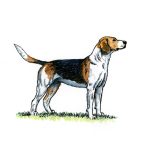
The Harrier presents a classic, athletic hound appearance—medium to large in size, well-balanced, and robust without being coarse. The body is compact and designed for stamina, enabling them to traverse various terrains with relentless determination. Males typically stand around 21 inches at the shoulder, while females are a bit smaller, ensuring a stature that is substantial enough for endurance, yet nimble for quick movements.
Key features include a long, noble head with a tapering muzzle, pronounced eyebrows, and a large nose with broad nostrils, perfect for picking up scents. The ears are set high, pendant with a rounded tip and fine texture, carried close to the head, which enhances their alert yet amiable expression. Eyes are oval and deeply set, offering a lively and playful look, typically harmonizing with the coat color.
The Harrier’s build is strong throughout, with a deep chest that reaches below the elbow, well-dropped ribs, and a muscular, slightly arched neck. The back is level with just a slight arch over a broad loin, and the limbs are straight, clean, and powerfully boned. Feet are compact, round cat-like “cat feet” built for tough outdoor conditions. The tail is long, set high, and carried upright but never curled over the back, adding a cheery finishing touch to their silhouette.
Coats are short, dense, and weatherproof, making them practical for active pursuits in all seasons. Recognized colors include Badger Pied, Black & Tan, Lemon & White, Red & White, Tri-colour, and classic White, always with clearly defined markings typical of hound breeds.
Temperament & Behavior
Belonging to the hound group, the Harrier is characterized by friendliness, liveliness, and a strong working drive. Trusted for centuries as a dedicated hunting partner, the breed now brings these qualities into the companionship sphere, showing affection and enthusiasm toward their chosen humans.
Harriers tend to be highly sociable and generally adapt well to family life, especially with active families who understand their need for engagement. Their playful spirit translates into vigorous games, zestful outdoor explorations, and a desire to be involved in household activities. Aggression is considered a fault, and a well-bred Harrier should display a stable, confident temperament, free from nervousness or anxiety.
These dogs do particularly well when given a job or a series of activities to channel their energy. They are naturally inclined to work in groups and usually get along with fellow dogs, a trait derived from pack hunting. While friendly, their strong scent drive can lead to distraction on walks, so training and early recall practice are important.
As companions, Harriers are trustworthy, loyal, and fun-loving, but may be too boisterous for very young children or less active households. Owners should be prepared for a dog that thrives on companionship and regular mental or physical challenges, rather than long hours alone or a sedentary lifestyle.
Care & Living Needs for the Harrier
Exercise is a defining need for the Harrier. A routine of more than two hours of active engagement—whether on walks, hiking trails, or safe, off-leash areas—is essential. The ideal home setting is a spacious house in the countryside, complemented by a large, secure garden where the Harrier can stretch its legs and explore freely.
Grooming this breed is straightforward due to the short, dense coat. Weekly brushing will suffice to keep the coat in good condition, manage shedding, and spot-check for burrs or debris gathered during outdoor adventures. Like most hounds, the Harrier is a moderate shedder, particularly as seasons change.
Mental stimulation is crucial to prevent boredom and undesirable behaviors. Interactive toys, scent work, and regular training sessions help channel their natural intelligence and urge to track. Obedience classes are beneficial, especially for reinforcing recall due to their tendency to follow scents over commands when outdoors.
The Harrier is not ideal for those in small apartments or for owners who cannot meet the breed’s high activity and space needs. Less active individuals, or those seeking a docile companion, may find this breed demanding. The most fulfilling partnerships arise when the Harrier’s physical and mental demands are met daily.
Health & Common Issues
The dataset does not identify any specific breed-related health issues unique to the Harrier. Like most active, medium-to-large breeds, general wellbeing can be supported with regular veterinary check-ups, balanced nutrition, and maintaining healthy body weight.
The short, weatherproof coat is practical and low maintenance, which helps reduce the possibility of skin or coat concerns. Attention should always be given to ears, which, being pendant and close to the head, can be prone to moisture buildup if not regularly checked and cleaned. Nail trimming and dental care add to the general upkeep requirements for optimal health.
Owners should ensure exercise is balanced with rest, especially for growing pups, to support joint development and prevent injuries. As with any dog, early detection of minor issues through routine care helps avoid complications down the line, allowing the Harrier to enjoy a long and active life.
Official Breed Standard Summary
The official breed standard provides a detailed description to guide breeders in maintaining the Harrier’s functional, well-balanced type. According to the standard, the Harrier must be medium-sized and compact, with no exaggerations in build. Structural soundness, stamina, and a friendly, lively demeanor are considered essential points, ensuring the breed remains fit for both its historic work and as a companion.
General appearance calls for a long, noble head, oval, deeply set eyes, high-set pendant ears, and a neck sufficiently long to bring the head down to scent trails. The body is deep-chested with a level topline and a well-muscled loin. Strong, straight limbs and robust, rounded feet are highlighted, along with a tail that is long, set high, and free from curl—a signature for the breed’s lively yet controlled movement.
The coat is to be short, dense, and fully weatherproof, coming in any recognized hound color or markings, with those outside this spectrum considered undesirable. Size is specified: about 21 inches for males and 19 inches for females, allowing for a slight variation while emphasizing a dog built for endurance rather than bulk.
The standard emphasizes maintaining a friendly temperament, avoiding aggression or nervousness. Any health or conformation issues that may harm the welfare of the dog should be considered serious faults under the official interpretation of the breed’s ideal form.
Frequently Asked Questions about the Harrier
Is the Harrier good for first-time dog owners?
The Harrier can be a good companion for experienced, active owners but may prove challenging for first-timers due to its high energy and independent streak. Prospective owners new to dogs should be prepared for consistent training and plenty of exercise.
How much exercise does a Harrier need daily?
The Harrier requires more than two hours of vigorous activity every day. This can include long walks, free-running in secure areas, and games that stimulate both body and mind.
Is the Harrier good with children?
With proper supervision and socialization, Harriers are generally affectionate and playful with children, particularly those old enough to interact respectfully. Their energy may be too much for small children, so early introductions and clear boundaries are recommended.
Can the Harrier live in an apartment?
The Harrier is not well suited to apartment living due to its need for space, exercise, and outdoor exploration. A home with a large, secure garden in a rural or suburban setting is far more appropriate for this breed.
How much grooming does a Harrier need?
The Harrier’s short, dense coat is low maintenance, requiring only a weekly brush to keep it tidy and healthy. Regular ear, nail, and dental care are also advised as part of the grooming routine.
Are there common health concerns in this breed?
No specific health issues are highlighted in the available data, but regular veterinary care, balanced nutrition, and routine maintenance are key to ensuring a long, healthy life for the Harrier.


