
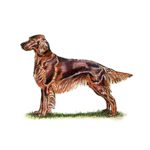
Irish Setter – Breed Information, Traits & Complete Guide
The Irish Setter is an iconic sporting dog known for its elegance, boundless energy, and affectionate nature. With its striking rich chestnut coat and joyful demeanor, this breed appeals to those seeking an active companion that thrives on human interaction. Irish Setters often become devoted family members, making them a good choice for households that can meet their physical and social needs.

Bred as a gundog with an impressive history as a hunter and show dog, the Irish Setter remains a favorite among dog lovers who appreciate both beauty and athleticism. Its sociable nature and zest for life make it a rewarding but demanding breed suited to owners ready for plenty of outdoor activity, positive training, and companionship.
- Overview of the Irish Setter
- Key Characteristics
- Appearance of the Irish Setter
- Temperament & Behavior
- Care & Living Needs
- Health & Common Issues
- Official Breed Standard Summary
- Frequently Asked Questions
Group: Gundog
Size: Large
Exercise needs: More than 2 hours per day
Coat length: Medium
Grooming: More than once a week
Shedding: Yes
Lifespan: Over 10 years
Ideal home type: Large house
Town or country: Either
Garden needs: Large garden
Overview of the Irish Setter
The Irish Setter is deeply rooted in Ireland’s sporting heritage, a breed originally distinguished from its cousins—the Irish Red and White Setter and the now-extinct Hail Setter—by its uniformly rich red coat. Selective breeding honed its traits toward a lighter frame and refined head, resulting in a gundog as elegant as it is functional. The breed’s flair and presence propelled it to prominence in 19th-century dog shows, swiftly outpacing its relatives in popularity.
Developed for its prowess in finding live game and retrieving shot or wounded birds, the Irish Setter excels in what is known as the Hunt/Point/Retrieve category. This heritage produces a dog that is both energetic and adaptable, well-suited to diverse environments and hunting roles. Over time, its reputation as a show dog and companion flourished, making it a versatile breed attractive to active individuals and families with ample outdoor space.
Irish Setters are at their best with owners eager for daily exercise and involvement. Households providing plenty of physical and mental activities—be it rural or suburban environments—will find an affectionate and tireless friend in this breed.
Key Characteristics
- Energy level – Exceptionally high, with daily needs exceeding two hours of vigorous activity.
- Trainability – Intelligent and responsive but can be easily distracted by interesting scents and sights.
- Intelligence – Bright and curious, often excelling in interactive games and advanced training.
- Prey drive – Developed as a hunting dog, so a strong instinct to chase or seek out wildlife is common.
- Social needs – Craves close contact with people and dislikes being left alone for extended periods.
- Compatibility with families and children – Generally excellent, showing a gentle and patient nature with kids.
- Compatibility with other dogs – Usually social and friendly, often enjoying canine company.
- Guarding or watchdog tendencies – Not naturally suspicious; welcoming to visitors and strangers.
- Adaptability to city or country life – Can adapt to either but truly thrives in spaces offering lots of outdoor access.
- Best suited owner type – Active individuals or families who enjoy regular outdoor activities and can dedicate time to training and companionship.
- Typical daily routine – Long walks, play sessions, training exercises, and plenty of interactive bonding moments.
Appearance of the Irish Setter
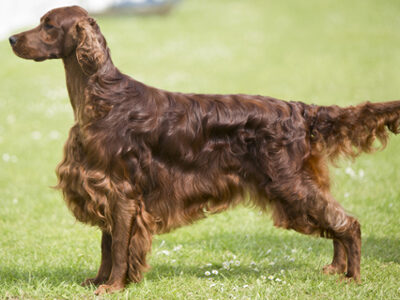
The Irish Setter is an unmistakably elegant breed, displaying a balanced and racy outline paired with a glamorous coat. Its build is both athletic and refined, characterized by a well-proportioned body that’s muscular yet fine-boned. The head is long and lean without coarseness, highlighted by an oval skull and expressive brows, giving an impression of intelligence and alertness.
The breed’s eyes are dark hazel to deep brown and almond-shaped, set to convey a kind and intelligent look. Ears are moderate in size, delicate, and set low, folding neatly close to the head. The muzzle is moderately deep, fairly square at the end, and the nose is usually a dark shade of mahogany, walnut, or black. With a graceful, slightly arched neck, the transition to strong, well-sloped shoulders is seamless, contributing to the setter’s graceful lines.
In profile, the Irish Setter’s chest is deep but not wide, with well-sprung ribs giving excellent lung capacity without bulk. Its topline slopes gently from the withers, while wide, powerful hindquarters and muscular thighs produce a free-flowing, driving gait. The feet are small and arched, contributing to stability and agility, while the tail sits just below back level, tapering to a fine point and carried nearly horizontal when moving.
The hallmark of the breed is its medium-length, silky, flat coat. Feathering flows from the ears, back of the legs, belly, and tail, forming elegant fringes that are as straight as possible. The only acceptable color is a rich, lustrous chestnut red; white may be present in small amounts on the chest, throat, chin, toes, or as minor markings on the head, but any other coat color is considered outside the breed standard. Regular grooming is necessary to keep the coat in show condition and minimize shedding.
Temperament & Behavior
The Irish Setter is well-known for its demonstrably affectionate nature, eager for companionship and close bonds with its people. Whether greeting family members or making new friends, these dogs are characterized by enthusiasm and warmth rather than suspicion or aggression. Their readiness to please and inherent sociability make them a favorite among homes looking for a friendly, gentle companion.
The breed’s roots as a gundog contribute to a temperament marked by energy, agility, and a passion for adventure. Irish Setters are tremendously active, often happiest when ranging outdoors with an opportunity to use their excellent noses. Their intelligence makes them highly interactive at play and during training sessions, though their curiosity and drive can sometimes lead to distraction.
At home, Irish Setters integrate well into family life, including with children and other dogs. They are generally tolerant, playful, and adore group activities. They are not natural watchdogs; instead, their greeting is likely to be friendly and exuberant. While they generally coexist well with other pets, supervision is advised around smaller animals due to their sporting instincts.
Owners should be prepared for a lively, occasionally mischievous housemate. The breed flourishes in environments where engagement and companionship are ongoing, as they do not enjoy being left alone. Without sufficient exercise and stimulation, Irish Setters may develop habits such as digging or chewing, so a proactive approach to fulfilling their needs helps ensure well-mannered behavior.
Care & Living Needs for the Irish Setter
This breed requires more than two hours of daily exercise to remain physically and mentally balanced. Activities such as long walks, runs in expansive areas, and interactive training sessions satisfy their drive and help prevent boredom-related behaviors. Due to their size and energetic disposition, Irish Setters are better suited to large homes with enough indoor space to move comfortably.
An ideal environment for an Irish Setter includes a large, secure garden where the dog can explore and play. While they can adapt to either town or rural settings, access to safe outdoor areas is essential. Apartment living typically does not suit their high energy levels and need for movement unless paired with multiple daily outings.
Grooming is another significant consideration. The breed’s medium-length, feathered coat requires attention more than once a week to prevent tangles and matting. Regular brushing keeps their silky fur at its best and helps manage their natural shedding. Professional grooming or occasional trims, especially on the ears and feathered areas, may be beneficial for those wanting to maintain show-quality appearance.
Mental stimulation is as important as physical exercise. Incorporating training exercises, puzzle toys, scent work, and varied activities helps keep Irish Setters engaged and satisfied. Consistent, reward-based training is key, as the breed can become easily bored with repetitive routines. This dog is not ideal for those seeking a low-maintenance companion or a sedentary lifestyle, nor for homes unable to provide consistent attention and diverse activities.
Health & Common Issues
No specific health problems are reported in the provided information. Like any large, active breed, Irish Setters benefit from balanced routines that support their joints, heart, and overall mobility. Regular veterinary check-ups, a high-quality diet, and weight management all contribute to their longevity and continuing vitality.
Exercise should match their energetic needs but be adapted for dogs at various life stages. Monitoring for signs of discomfort and providing a safe environment reduce the risk of injury. Routine dental care and grooming are important for general wellness and comfort. Early socialization, regular parasite control, and a supportive home contribute to a happy, healthy Irish Setter.
Official Breed Standard Summary
The official breed standard for the Irish Setter is a guideline that describes the ideal attributes and appearance for the breed, with a clear focus on dogs being healthy, fit for function, and free from exaggerated features. A balanced, racy physique paired with elegance and athleticism defines the breed’s general appearance. Absolute soundness and the ability to perform its traditional role are paramount.
Movement for the Irish Setter should be free-flowing and coordinated, with strong, straight, and well-muscled limbs. The coat is short and fine on the head and front of legs, becoming moderate in length and flat across the body, with distinctive, straight feathering on the ears, legs, chest, and tail. The recognized color is a deep, lustrous chestnut red, with minor white markings only acceptable in specific areas. Any other colors or combinations fall outside the standard.
Faults are any departures from these ideals, with the seriousness judged by the impact on health, welfare, and working ability. The breed standard also notes that male dogs should have two normal testicles. While measurements offer a guideline for size, individual dogs may naturally vary above or below these standards without this affecting their suitability as pets or companions.
Frequently Asked Questions about the Irish Setter
Is the Irish Setter good for first-time dog owners?
Irish Setters are affectionate and friendly but have high energy and exercise needs that can be challenging for first-time owners. With dedication to training and daily activity, those new to dogs can successfully share their life with this breed.
How much exercise does an Irish Setter need daily?
This breed typically requires more than two hours of exercise each day. Activities should include both physical workouts and mental stimulation to keep them happy and well-behaved.
Is the Irish Setter good with children?
Irish Setters are generally gentle and tolerant with children, enjoying family life and group play. As with all breeds, supervision with young children is important to ensure safe and positive interactions.
Can the Irish Setter live in an apartment?
While possible, apartment living is not ideal for an Irish Setter due to its size and energy. The breed requires access to a large outdoor space and frequent, lengthy walks to stay content.
How much grooming does an Irish Setter need?
The silky, feathered coat of the Irish Setter needs brushing more than once weekly to prevent mats and reduce shedding. Occasional trims, especially on the feathered areas, help maintain their elegant look.
Are there common health concerns in this breed?
There are no specific health issues highlighted in the provided information. Like any breed, regular check-ups, proper diet, exercise, and grooming are important for overall wellbeing.


