
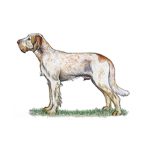
Italian Spinone – Breed Information, Traits & Complete Guide
The Italian Spinone is a striking gundog breed renowned for its gentle expression and robust nature. These dogs combine classic hunting instincts with remarkable patience and affection, making them appealing to active families, outdoors enthusiasts, and those seeking a reliable canine partner for both work and companionship. The Spinone’s calm disposition and adaptability are matched by its distinctive rugged looks and unmistakable personality.
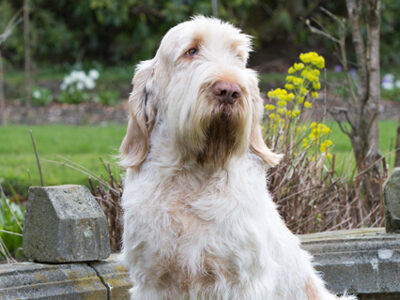
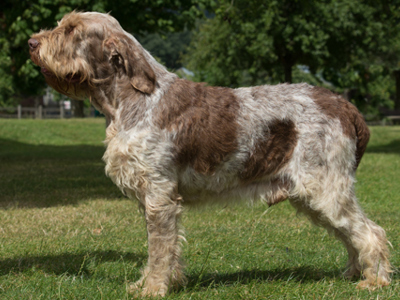
This breed captivates with its strong yet friendly presence and an eagerness to be part of family life. While originally bred to hunt, point, and retrieve game in varied terrain, today’s Italian Spinone remains as much at home lounging with loved ones or enjoying adventurous walks in the countryside. For people willing to invest time in exercise and engagement, this breed stands out as both a capable working dog and a steadfast friend.
- Overview of the Italian Spinone
- Key Characteristics
- Appearance of the Italian Spinone
- Temperament & Behavior
- Care & Living Needs
- Health & Common Issues
- Official Breed Standard Summary
- Frequently Asked Questions
Group: Gundog
Size: Large
Exercise needs: More than 2 hours per day
Coat length: Medium
Grooming: More than once a week
Shedding: Yes
Lifespan: Over 10 years
Ideal home type: Large house
Town or country: Either
Garden needs: Large garden
Overview of the Italian Spinone
The Italian Spinone is a breed that traces its roots deep into Italy’s hunting traditions. Loved in its homeland as an adventurous all-purpose gundog, this breed is instantly recognizable with its pronounced, almost human-like facial expression, coarse coat, and distinctive body lines. Recognized in the United Kingdom in the 1980s, the Spinone gained popularity in the show ring as well as with sporting and family homes, thanks to its mix of stamina and gentle demeanor.
Designed to operate in demanding terrains, including water and rugged countryside, the Italian Spinone’s heritage suggests connections with Italian Hounds and possibly Setter or Mastiff breeds. While the precise origins are open to speculation, what remains certain is the Spinone’s reputation as a reliable, hardy worker capable of impressive endurance. Its steady, methodical trot is a hallmark, allowing it to cover ground tirelessly in search of game rather than relying solely on speed.
This breed’s versatile skill set, combined with its sociable and patient temperament, makes it a strong choice for families, country dwellers, and active individuals looking for a dog that thrives on participation and companionship. The Italian Spinone is ideal for those seeking a canine companion that is as devoted in the home as it is effective in the field.
Key Characteristics
- Energy level – Requires a high amount of daily exercise and enjoys active lifestyles.
- Trainability – Generally eager to please and learns well with positive, patient methods.
- Intelligence – Displays thoughtful problem-solving skills and adapts readily to new situations.
- Prey drive – Has natural hunting instincts, particularly suited to scent-based activities and retrieving.
- Social needs – Very sociable and thrives when included in daily family life and activities.
- Compatibility with families and children – Noted for its affectionate, gentle manner with children and adults.
- Compatibility with other dogs – Usually friendly and tolerant with other dogs, especially when socialized early.
- Guarding or watchdog tendencies – Not typically a guard dog, though its size and hearty bark may serve as a deterrent.
- Adaptability to city or country life – Can adapt to both environments, but is best suited to houses with space and access to a large garden.
- Best suited owner type – Ideal for owners able to devote time to exercise, training, and companionship, and who appreciate an active, rugged companion.
- Typical daily routine – Enjoys structured activities such as long walks, play sessions, and time spent with family members.
Appearance of the Italian Spinone
The Italian Spinone presents a robust and squarely built profile, embodying strength without losing an air of kindness in expression. Males typically reach 60-70 cm (23½ – 27½ inches) at the shoulder and weigh between 75-86 lbs, while females are slightly smaller at 58-65 cm (22¾ – 25½ inches) and 64-75 lbs. Muscular and solid, the Spinone’s framework is enhanced by well-developed bone and a signature rolling topline, dipping from the withers and rising over the loins in a gentle arch.
The head is distinctive with an oval skull, gently sloping sides, and a pronounced occiput. The eyes are large, set well apart, and radiate an almost human warmth; their color varies in ochre shades to match the coat. Soft, pendulous ears are triangular with rounded tips and plenty of dense hair, positioned level with the corner of the eye and carried close to the cheeks. The muzzle is strong and square, capped with a large, spongy nose and expressive whiskers giving the Spinone its characteristic grizzled face.
Coat-wise, the Spinone is wrapped in harsh, dense hair that offers weather resistance and a somewhat tousled look, with length ranging from 4-6 cm. Lacking an undercoat, this breed sports more pronounced eyebrows, beard, and moustache, while the hair on the legs forms a bristly brush. Accepted coat colors cover a range including white, white and orange, white and brown, orange roan, brown roan, and variations of those hues—each complemented by pigmented nose, eyes, and skin appropriate to the coat’s shade.
The tail, traditionally docked but now often left full, continues seamlessly from the croup and is notably thick at the base, carried horizontally or down. Both front and hind feet are muscular, well padded, and protected by an abundance of hair, providing grip and endurance over varied terrain.
Temperament & Behavior
The Italian Spinone is well known for its sociable and gentle nature, making it an ideal addition to many homes. Patience and affection are hallmarks of this breed’s temperament, and they rarely show aggression or excessive nervousness. Communication through expression and posture is a trademark, giving them an almost “human” quality that endears them to their families.
As part of the broader gundog group, Spinoni excel as diligent and adaptable working dogs. They were originally designed to find, point, and retrieve live game, and these instincts are often seen in their everyday activities—exploring with their noses, retrieving objects, and showing an eagerness to please. Their intelligence supports their trainability, although they can be sensitive and respond best to gentle, encouraging guidance.
Within the family home, the Spinone is relaxed and enjoys companionship. They usually get along well with children and other dogs, seeking out both playtime and quiet company. Their social and even-tempered disposition means they can make good companions for households with multiple pets or children, provided early socialization occurs.
Although rarely territorial or aggressive, their sheer size and deep bark can serve as a mild deterrent to strangers, but they are not natural guard dogs. Their main challenge may be their need for regular human interaction and mental stimulation—they do not thrive in isolating environments or with minimal engagement.
Care & Living Needs for the Italian Spinone
With exercise needs extending beyond two hours per day, the Italian Spinone fits best into lifestyles where frequent walks, runs, and play are the norm. These dogs appreciate time spent outdoors in spacious settings and are happiest when they can explore a large garden or enjoy accompanying their people on varied adventures. Their versatility allows them to adapt to both town and country living, though a home with ample space—such as a large house and garden—is preferable to support their size and energy.
The Spinone’s weather-resistant, medium-length coat requires regular upkeep. Brushing several times a week is advised to keep it free from tangles and to remove loose hair, as this breed does shed. Special attention should be paid to their bearded faces, which can collect food and debris. While grooming can be an enjoyable bonding experience, those seeking a low-maintenance dog should consider the time commitment involved.
Mental enrichment is equally important for the Spinone. Training sessions that challenge their minds, scent games, and interactive play will keep them content and engaged. Positive, reward-based training produces the best results, leveraging their eagerness to please and intelligence. Harsh or repetitive training methods are less effective, as Spinoni can be sensitive souls.
This breed is not ideal for those wanting a highly independent or low-energy companion, nor for homes with limited space or an absence of outdoor access. Those unable to offer consistent exercise, attention, and grooming may find another breed better suited to their lifestyle.
Health & Common Issues
As a breed, the Italian Spinone generally enjoys a lifespan of over ten years, provided they receive proper nutrition, exercise, and ongoing veterinary care. Their robust heritage and thick skin make them durable, but all large dogs benefit from supportive management of joints, especially during puppyhood and adolescence.
Routine health checks, weight management, and careful monitoring for typical issues seen in large, active breeds are essential. Balanced nutrition, controlled exercise during periods of growth, and prompt attention to any lameness or discomfort contribute to long-term well-being. Owners should establish a relationship with a veterinarian familiar with large gundogs.
Regular care for teeth, ears, and coat helps avoid minor issues from becoming significant, especially for dogs that spend time outdoors. Annual vet visits for check-ups and vaccinations are an important part of preventative health care for the Italian Spinone.
Official Breed Standard Summary
The official breed standard for the Italian Spinone provides a comprehensive guideline on the preferred size, proportions, and overall structure of the breed to ensure it remains both healthy and functional. The dog should present as vigorous and robust, muscled with a square, solid build, and most importantly, possess soundness in both form and movement. Eyes with a kind expression, a large spongy nose, and a markedly arched loin are distinctive features, alongside a rough, weather-resistant coat.
Acceptable colors include variations of white, orange, and brown, either solid, patched, or roan. Any deviations from these colors are considered unacceptable in the standard. The tail, whether docked or undocked, must be thick at the base and carried horizontally or down, without feathering.
The standard highlights the importance of an unexaggerated topline and proper movement, with the dog demonstrating a free, fast trot and the ability to maintain characteristic posture on the move. Faults are measured by their impact on health and practical function, particularly as a working dog, with a focus on features that could compromise welfare or ability.
Puppy buyers should note that sizes listed in the standard are intended as a guide, and individual dogs may be larger or smaller than these measurements. Males should show the expected physical traits, including two fully descended testicles.
Frequently Asked Questions about the Italian Spinone
Is the Italian Spinone good for first-time dog owners?
The Italian Spinone can be a suitable choice for first-time owners who are willing to invest time into exercise, basic training, and regular grooming. Their patient and loyal nature helps them adapt well to family life, but potential owners should be prepared for their active needs and size.
How much exercise does a Italian Spinone need daily?
This breed requires more than two hours of exercise every day. Activities can include long walks, play, and mental enrichment to satisfy both their physical and mental needs.
Is the Italian Spinone good with children?
Yes, the Italian Spinone is known for its affectionate and patient temperament around children. Their sociable nature makes them generally reliable family companions with appropriate supervision and training.
Can the Italian Spinone live in an apartment?
While adaptable, the Italian Spinone thrives best in a large house with access to a spacious garden. Apartment living may not be ideal unless owners are highly committed to meeting their substantial exercise requirements daily.
How much grooming does a Italian Spinone need?
The breed has a medium-length, coarse coat that benefits from brushing more than once a week. Regular attention to grooming helps control shedding and keeps their distinctive beard and eyebrows clean.
Are there common health concerns in this breed?
The Italian Spinone is naturally robust, but like all large breeds, should be monitored for joint health and maintained at an appropriate weight. Routine veterinary care supports overall well-being throughout their lifespan.


