
Korthals Griffon – Breed Information, Traits & Complete Guide
The Korthals Griffon is a striking and energetic member of the gundog group known for its robust nature and dedication as both a hunting companion and a family dog. Developed in the late 19th century by the Dutchman Eduard Korthals, this breed is celebrated for its versatility in the field and its friendly disposition at home. With its distinctive coarse coat and expressive facial features, the Korthals Griffon draws admiration from hunters, dog enthusiasts, and families seeking an active canine companion.

This breed is especially well-suited for those who lead an outdoor lifestyle and value a loyal, gentle, and dependable dog. The Korthals Griffon thrives in homes where daily activity is a priority and where it can participate alongside its humans in work or play. Whether fulfilling its traditional role as a hunting dog or joining in everyday family adventures, it offers dedication, warmth, and steadfast companionship.
- Overview of the Korthals Griffon
- Key Characteristics
- Appearance of the Korthals Griffon
- Temperament & Behavior
- Care & Living Needs
- Health & Common Issues
- Official Breed Standard Summary
- Frequently Asked Questions
Group: Gundog
Size: Large
Exercise needs: More than 2 hours per day
Coat length: Medium
Grooming: More than once a week
Shedding: Yes
Lifespan: Over 10 years
Ideal home type: Large house
Town or country: Country
Garden needs: Large garden
Overview of the Korthals Griffon
The Korthals Griffon has deep-rooted origins tracing back to the creativity and passion of Eduard Korthals, a Dutchman determined to develop the ultimate wirehaired pointing dog. In his pursuit, Korthals introduced various gundog bloodlines, combining the strengths of Griffon and German Pointer breeds. By 1870, the desired traits were established into a clear standard, and the breed quickly gained a following among European hunters, particularly in Holland, Germany, and France.
This dog was originally crafted as a highly capable hunting partner, excelling in pointing, retrieving, and tracking. Its proficiency in the field is matched by an inherent intelligence and tenacity, making it a reliable companion for sportsmen. While some debate lingers about whether it’s Dutch, German, or French, the breed’s legacy remains closely tied to its Dutch founder and its reputation as a premier working gundog.
Today, the Korthals Griffon appeals to people who want a steadfast dog with both energy and affection. It is especially cherished by those living in rural environments or with spacious properties, as it needs room to roam and plenty of stimulation. Its adaptability and eagerness also make it a loyal member of active households willing to meet its considerable exercise and attention needs.
Key Characteristics
- Energy level – Exceptionally energetic and thriving on more than two hours of vigorous activity each day.
- Trainability – Highly intelligent and eager to learn, benefits from consistent and positive training methods.
- Intelligence – Quick-thinking and resourceful, whether working in the field or learning family rules at home.
- Prey drive – Strong instinctive drive, especially in hunting or outdoor environments.
- Social needs – Craves companionship with people and enjoys being a part of daily family life.
- Compatibility with families and children – Gentle and loyal, well-suited for families with children who respect dogs.
- Compatibility with other dogs – Generally sociable but early socialization is recommended to ensure harmony.
- Guarding or watchdog tendencies – While not aggressive, is alert and confident, often vocal when strangers approach.
- Adaptability to city or country life – Best in country settings; adapts poorly to small, urban apartments.
- Best suited owner type – Ideal for active individuals or families who enjoy outdoor pursuits and have ample space.
- Typical daily routine – Needs structured activities, exercise, and engaging tasks to remain happy and healthy.
Appearance of the Korthals Griffon
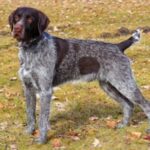
The Korthals Griffon immediately stands out for its sturdy, workmanlike build and unique facial furnishings. This medium to large dog projects vigor and robustness, with males standing 21¾ to 23½ inches at the shoulder and females a bit smaller at 19¾ to 21¾ inches. The body maintains balanced proportions, slightly longer than tall, creating an athletic and agile silhouette suited to fieldwork.
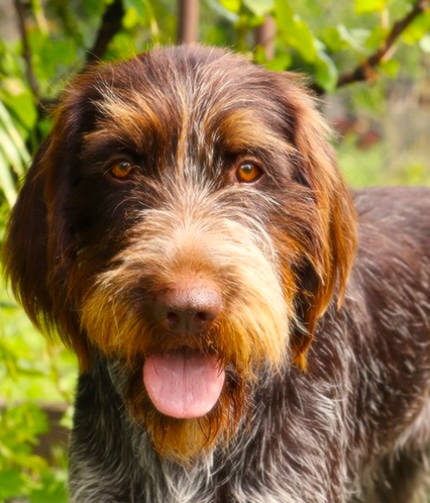
One of the most distinctive features is the hallmark harsh, wiry coat, which never appears curly or woolly. This coat is complemented by a fine, dense undercoat that provides weather resistance, while prominent moustache, beard, and bushy eyebrows frame its expressive face. Typical colors include steel grey with liver brown patches, solid liver brown, liver roan, and combinations such as white and brown—all set off by the characteristic brown undercoat.
The head is large and elongated, capped with slightly convex brown nose and surmounted by rounded, intelligent eyes in shades of dark yellow or brown. Medium-sized, flat ears hang level with the eyes and are covered in a mix of short and longer hair. The strong mouth features a scissor bite, and the neck is moderately long without excess skin. Limbs are straight and well-muscled, with round, arched feet that provide stability and endurance. The thickly-haired tail is typically carried horizontally or just slightly raised, maintaining the breed’s alert and confident posture in all settings.
Temperament & Behavior
The Korthals Griffon is renowned for its blend of gentleness, pride, and unwavering loyalty. At home, it exhibits warmth and affection toward family members, building strong bonds through daily companionship and shared activity. While never aggressive or timid, it maintains a steady and confident demeanor, offering reassurance to those around it without ever appearing overbearing.
This breed’s heritage as a versatile hunting, pointing, and tracking dog remains evident in its eagerness to participate in outdoor pursuits and its quick adaptation to new tasks. Although bred for the sporting field, it transitions effectively into family life, combining alertness and intelligence with a readiness to learn and please. These dogs revel in group activities and interactive play with both adults and children, making them a natural fit for households that can match their energy and curiosity.
Socially, the Korthals Griffon gets along well with other dogs when socialized early and consistently. Its friendly temperament extends to trusted visitors, although it may be reserved or vocal when strangers arrive, reinforcing its role as a watchful companion. It thrives in active, engaged homes, especially where it can be an integral part of daily life rather than left alone for extended periods.
While gundogs like the Korthals Griffon are known for their working ability, they also possess the kind of temperament that makes them ideal all-round family dogs. Reliability, adaptability, and a keen intellect combine to make this breed a joy to those able to invest the appropriate time and attention to its care.
Care & Living Needs for the Korthals Griffon
With exercise needs that exceed two hours per day, the Korthals Griffon thrives in environments where vigorous activity is the norm. Ideal owners can provide expansive spaces, such as a large house and garden, allowing this energetic dog to stretch its legs and engage in running, play, and training tasks.
The breed’s natural inclination toward the outdoors makes it most comfortable in rural settings, where daily walks, off-leash runs, and mentally stimulating tasks like scent work or fetch can be safely provided. Urban or apartment living generally does not suit this dog, as its size, exercise needs, and innate desire for open space can be difficult to satisfy in smaller or busier environments.
Grooming requirements are moderate but consistent: the medium-length, harsh coat benefits from brushing more than once a week to remove debris, prevent matting, and manage seasonal shedding. Regular attention to the moustache, beard, and eyebrows helps keep the dog comfortable and looking tidy. While this breed does shed, its coarse coat is more manageable with routine maintenance.
Mental stimulation is crucial. The Korthals Griffon flourishes when given challenges, whether in training, advanced obedience work, or interactive play. Early socialization and ongoing training using patient, reward-based methods yield the best results. Those unable to meet its energetic, social, or grooming demands may find this breed overwhelming, so it’s less suited to owners seeking a low-maintenance or sedentary dog.
Health & Common Issues
The Korthals Griffon is recognized as a generally robust breed, often enjoying a lifespan of more than 10 years when properly cared for. No specific health concerns are cited in the available information, and the breed is not marked as vulnerable.
As with all active, medium-to-large dogs, balanced exercise and regular veterinary visits are important for overall well-being. Monitoring weight, providing a nutritious diet, and ensuring appropriate amounts of exercise helps maintain healthy joints, teeth, and coat condition.
While not prone to exaggerated features, the breed standard emphasizes the need for soundness and welfare over appearance. Maintaining dental hygiene, checking ears and eyes, and providing regular grooming also help prevent minor health issues from developing into more serious concerns.
Owners are encouraged to adopt a proactive approach to health care, scheduling periodic check-ups and remaining attentive to any changes in behavior, appetite, or movement that might signal the need for veterinary advice. Responsibly bred Korthals Griffons often avoid many of the health challenges seen in less carefully managed breeds.
Official Breed Standard Summary
The official breed standard offers a comprehensive guideline for the ideal Korthals Griffon , describing not only correct appearance and temperament but also insisting on fitness and soundness for the breed’s traditional work. This robust, medium-sized gundog is expected to showcase a harsh, coarse coat and characteristic facial furnishings that lend an air of assurance and determination.
Accepted colors include steel grey with liver brown patches, solid liver brown, liver roan, and white with brown, with a brown undercoat always present. The coat itself must be dense and weather-resistant, never curly or soft. Males measure 55–60 cm at the withers, while females range from 50–55 cm, maintaining the ideal proportion of length slightly exceeding height. The official movement standard emphasizes ground-covering strides and powerful drive from the rear.
The standard also calls attention to avoiding health or structural exaggerations that could jeopardize the dog’s welfare or working capabilities. All features must be in balance; overdone or undesirable traits are considered faults. Particular notes for prospective puppy buyers highlight that, while the standard gives a framework for size, individual dogs may fall outside these exact measurements.
For both breeders and owners, the breed standard stands as both a blueprint and a safeguard, ensuring that the Korthals Griffon continues to embody the traits that made it a favorite among sporting enthusiasts and loyal companions.
Frequently Asked Questions about the Korthals Griffon
Is the Korthals Griffon a good choice for first-time dog owners?
While this breed is affectionate and trainable, its high exercise and stimulation needs can be challenging for those without previous dog experience. New owners who are active and committed to training and activity may find the breed rewarding.
How much exercise does a Korthals Griffon need daily?
This is a high-energy dog that requires more than two hours of vigorous activity each day. Walks, runs, and interactive play are essential to keeping it fit and content.
Is the Korthals Griffon good with children?
Yes, the breed is known for its gentle and loyal temperament, making it a suitable companion for families with children, especially when both are accustomed to respectful interaction.
Can the Korthals Griffon live in an apartment?
This breed is not well suited to apartment living due to its size, activity level, and need for ample outdoor space. It thrives best in a home with a large garden or rural access.
How much grooming does a Korthals Griffon need?
The coarse, medium-length coat should be brushed more than once a week to prevent matting and control shedding. Special attention should be given to the beard, moustache, and eyebrows.
Are there common health concerns in this breed?
No specific health issues are recorded for the Korthals Griffon , but regular veterinary care, good nutrition, and appropriate exercise are important to maintain overall wellness.


