
What Are the Traits and Care Requirements of a Leonberger?
The Leonberger is a remarkable choice for those seeking a large, affectionate companion with a gentle side. Known for their majestic appearance and calm nature, these dogs are best suited to experienced owners or families with plenty of space, time, and energy to dedicate to their needs. Their roots as both working and family dogs make them loyal protectors, as well as friendly additions to the household.
Originally developed to combine strength, intelligence, and a striking lion-like look, the Leonberger has become a cherished breed among those who appreciate devoted, playful, and even-tempered pets. Their combination of guarding instincts, affectionate demeanor, and impressive size makes them ideal for rural homes with room to roam and families who enjoy an active, outdoor lifestyle.
- Overview of the Leonberger
- Key Characteristics
- Appearance of the Leonberger
- Temperament & Behavior
- Care & Living Needs
- Health & Common Issues
- Official Breed Standard Summary
- Frequently Asked Questions
Group: Working
Size: Large
Exercise needs: More than 2 hours per day
Coat length: Medium
Grooming: Once a week
Shedding: Yes
Lifespan: Under 10 years
Ideal home type: Large house
Town or country: Country
Garden needs: Large garden
Overview of the Leonberger
The Leonberger traces its origins to the town of Leonberg in southwest Germany, where, in 1840, the mayor Heinrich Essig set out to create a dog reflecting the regal lion on the town crest. By crossing St. Bernards with Newfoundlands—and possibly adding a dash of Pyrenean Mountain Dog—Essig and his collaborators craftily blended size, power, and a distinctively leonine look. The result was a breed meant to impress with both its looks and its abilities.
Designed initially as a formidable guard dog, the Leonberger was used to protect homes and properties, drawing on its imposing presence and reliable disposition. Over time, the breed’s reputation for being gentle, affectionate, and dependable gained ground, seeing the Leonberger transition into a beloved companion animal. Its striking coat and noble bearing have garnered a devoted following, especially among those living in spacious, rural settings.
The Leonberger works best for owners who have room to accommodate its size and energy. Its heritage as a working and guarding dog means it thrives on purpose and activity. Today, these dogs are valued as family pets, therapy dogs, and even search and rescue partners, blending strength with remarkable tenderness.
Key Characteristics
- Energy level – Highly energetic, requiring more than two hours of robust exercise daily.
- Trainability – Responsive and intelligent, though early, consistent training is essential due to their size.
- Intelligence – Quick to learn and eager to please, making them suitable for various canine activities.
- Prey drive – Typically moderate, but their working heritage means they may enjoy tracking and searching games.
- Social needs – Strongly bonds with family; thrives on companionship and does not rate well when left alone for long periods.
- Compatibility with families and children – Renowned for being gentle and patient, especially with children, though supervision around small kids is advised given their size.
- Compatibility with other dogs – Generally sociable, particularly when well-socialized from a young age.
- Guarding or watchdog tendencies – Naturally protective, their physical presence and deep bark serve as strong deterrents.
- Adaptability to city or country life – Much better suited to the country; needs large spaces and is less happy in dense, urban environments.
- Best suited owner type – Active families, experienced handlers, or owners with plenty of outdoor space.
- Typical daily routine – Multiple walks, playtime in a secure garden, regular grooming, and mental stimulation through training or games.
Appearance of the Leonberger
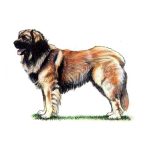
Commanding and elegant, the Leonberger is a large, muscular dog that unites power with a noble presence. Males, in particular, present a robust and majestic silhouette, yet overall, the breed retains a proportional and graceful outline. The body is slightly longer than it is tall, with a height at the withers ranging from 72 to 80 cm for males and 65 to 75 cm for females, contributing to an impressively statuesque build.
The head of the Leonberger is harmonious with the rest of the body—strong and broad, but not overly heavy. The muzzle matches the length of the skull, ensuring balanced facial proportions. Eyes are oval and kind, with a medium to dark brown color that radiates warmth and intelligence. The ears are high-set, medium in size, and hang close to the sides of the head, adorned with natural feathering. The mouth features strong jaws and closely fitting black lips, with a full complement of teeth meeting in a scissor bite.
The double coat is one of the breed’s most signature features. Typically medium to long, it is dense, close-fitting, and may be straight or have a gentle wave. A mane frames the neck and chest, particularly in males, contributing to the breed’s lion-like impression. Colors vary from lion gold, red, reddish brown, sandy, or cream, always accompanied by a characteristic black mask. Black hair tips may appear, but the base color remains dominant. Some dogs display a small white chest patch or white hair on the toes—both tolerated within the breed’s official standards.
The tail is well furnished, straight, and hangs down to at least the hock, moving with a subtle curve when the dog is active. Strong forequarters and hindquarters provide the breed with a confident gait and excellent stamina, while well-arched toes and black pads finish off their sturdy feet.
Temperament & Behavior
The Leonberger is well-known for self-assurance, playfulness, and a friendly nature that makes them a delight at home. They are neither timid nor aggressive, instead choosing a calm and balanced approach to life. This sense of composure, combined with a spirited streak, makes them excellent with children when properly introduced, and their affectionate loyalty endears them to every family member.
Bred over centuries to serve as both guardians and working dogs, Leonbergers have retained strong bonds with people and tend to excel in homes where they are included in day-to-day activities. They thrive on companionship and quickly become strongly attached to their families, making them less inclined to enjoy long hours alone. Their intelligence and amenable temperament—distinguished by a keen sense of friendliness—contribute to their success as therapy dogs and successful partners in many areas of canine work.
Among other dogs, Leonbergers tend to be sociable, especially when socialized from puppyhood. Their size and innate self-confidence usually prevent squabbles, although, like any large breed, they require firm, patient handling and clear guidelines. While guarding instincts exist, they are typically non-aggressive, using their stature and deep bark more as a deterrent than a weapon. Owners should be aware that their sheer presence can be intimidating to strangers, even if their intent is playful.
Families who decide on a Leonberger should be prepared for a dog who wants to be included and enjoys play as much as protection. They do best in social settings where they can interact with people and, when needed, supervise young playmates thanks to their gentle nature.
Care & Living Needs for the Leonberger
Meeting the Leonberger’s exercise needs is essential to their wellbeing. They require at least two hours of dedicated activity each day, which can include walking, playtime in a secure yard, and mental exercises such as obedience training or puzzle games. Their background as working dogs means they enjoy tasks that provide both physical challenges and mental enrichment, so activities like tracking or cart-pulling are often rewarding for both dog and owner.
Best suited to large houses in the country, Leonbergers need ample indoor and outdoor space. A securely fenced, large garden is highly recommended, as is access to countryside walks where they can enjoy freedom without risk. Keeping such a substantial dog in an apartment or urban setting is difficult due to their size, energy, and space requirements.
Grooming responsibilities for the Leonberger are moderate. Their medium-length, double coat requires brushing at least once a week to stay healthy and control shedding, though owners may find more frequent grooming helpful during seasonal molts. The mane and feathering, particularly on males, can collect debris and develop tangles if neglected, so a proactive approach to grooming keeps the coat in top condition.
Mental stimulation is as important as physical activity. This breed responds well to training that uses positive reinforcement and clear, consistent boundaries. Given their intelligence, Leonbergers often excel when challenged with learning new skills or participating in scent work and canine sports. They are not ideally suited to owners unwilling or unable to devote daily time to exercise, training, and interaction.
Those with tight living quarters, busy schedules, or a preference for limited grooming duties may find the Leonberger a challenging match. This breed isn’t suited to sedentary households, small spaces, or those looking for a low-maintenance pet.
Health & Common Issues
The Leonberger has a typical lifespan of under 10 years, reflective of their large size. While the dataset does not specify particular health conditions, responsible care focuses on supporting joints, maintaining a healthy weight, and providing age-appropriate exercise. Owners should opt for routine veterinary checkups and pursue a thoughtful diet plan to help avoid unnecessary strain on joints and general health.
The breed’s dense coat means regular grooming not only helps appearance but also supports skin health by preventing matting and detecting any early irritation. Monitoring oral health and ensuring that teeth stay clean is also beneficial, given the importance of complete dentition noted in the breed standard.
Ensuring sufficient but not excessive physical activity, together with regular mental stimulation and a safe living environment, supports the Leonberger’s overall well-being throughout all life stages. Awareness of their unique needs and dedication to keeping them active and engaged can help them enjoy a happy, healthy life as integral family members.
Official Breed Standard Summary
The official breed standard for the Leonberger describes an ideal dog that is large, strong, and muscular, yet maintains an elegance and balance in its proportions. The preferred appearance combines power with a confident, calm, and lively demeanor. Males should present a particularly powerful profile. Absolute soundness is considered essential, and any exaggerated features are discouraged if they affect health or comfort.
The coat is a defining feature: double-layered, medium to long in length, and close fitting with a mane at the neck and chest, especially pronounced in males. Accepted colors include various shades of gold, red, sandy, and lion tones, all with the hallmark black mask. Small white markings on the chest and toes are tolerated, but any other color combinations are not accepted. The Leonberger should move in a ground-covering, even stride, maintaining a level topline and a strong, purposeful gait.
Height at the withers falls within the range of 72–80 cm for males and 65–75 cm for bitches, but the breed standard notes that dogs may fall outside these measurements. Sound construction is preferred over exaggerated features, and serious departures from the standard are to be considered faults, especially if they impact the health or welfare of the dog.
The breed should present a strong, slightly arched neck, a deep, broad chest, and straight, sturdy legs. Feet are tight and rounded, and the tail hangs at least to the hock, curving only slightly on the move. The head and facial features convey kindness and intelligence, rounding out the breed’s characterful appearance.
Frequently Asked Questions about the Leonberger
Is the Leonberger good for first-time dog owners?
The Leonberger’s size and exercise needs may pose challenges for first-time owners. Those with prior experience managing large breeds will find it easier to provide consistent training and maintain boundaries for this impressive companion.
How much exercise does a Leonberger need daily?
This breed requires more than two hours of exercise every day. Activities should include walks, play sessions, and mentally stimulating games to match their energy levels and keep them content.
Is the Leonberger good with children?
Leonbergers are known for their gentle and patient nature around children. Their size means supervision is important, but they generally form strong bonds with family members of all ages.
Can the Leonberger live in an apartment?
The Leonberger is not well suited to apartment living. Their large size, energy demands, and need for outdoor space make them happiest in a spacious home with access to a secure, large garden.
How much grooming does a Leonberger need?
The breed requires weekly brushing to keep their double coat in good condition. More frequent grooming may be necessary during periods of heavy shedding, especially in spring and fall.
Are there common health concerns in this breed?
The dataset does not highlight specific health issues. General care, including regular veterinary visits, a balanced diet, and appropriate exercise, helps maintain good health in Leonbergers.


