
What Are the Traits and Care Requirements of the Hovawart Breed?
The Hovawart is a distinguished large breed known for its vigilant guarding instincts, resilience, and deep loyalty to its family. Ideal for experienced owners seeking a watchful companion, the Hovawart thrives where it has both a meaningful role and ample space to roam. This breed offers a unique blend of unwavering protectiveness, gentle presence, and a working background, making it especially suited for those who appreciate an active lifestyle and a partnership with their dog.
Originally developed for homestead protection and versatile work, the Hovawart brings history and purpose into modern life. Its reputation as a capable family guardian is matched by its affectionate bond with people, making it a valued companion in homes that can provide structured leadership and plenty of exercise. For individuals or families committed to meeting its needs, the Hovawart offers steadfast devotion and an engaging, intelligent presence.
- Overview of the Hovawart
- Key Characteristics
- Appearance of the Hovawart
- Temperament & Behavior
- Care & Living Needs
- Health & Common Issues
- Official Breed Standard Summary
- Frequently Asked Questions
Group: Working
Size: Large
Exercise needs: More than 2 hours per day
Coat length: Medium
Grooming: More than once a week
Shedding: Yes
Lifespan: Over 10 years
Ideal home type: Large house
Town or country: Either
Garden needs: Large garden
Overview of the Hovawart
The Hovawart’s roots can be traced to medieval Germany, where its name—derived from the words for “farm” (hof) and “guard” (wart)—speaks to its original purpose as a vigilant homestead protector. Although the breed faced near extinction by the early twentieth century, dedication from enthusiasts, particularly Kurt König, led to its revival through careful selection from surviving stock in remote regions. The breed was thoughtfully reconstructed to retain its guarding abilities and hallmark character, earning eventual recognition and a loyal following among working dog aficionados.
Today, the Hovawart is celebrated not only as a guardian but as a versatile working companion, valued for its adaptability and devotion in varied roles. Its temperament and strong work ethic make it ideal for active homes that appreciate both security and camaraderie. This breed is best suited for owners who can offer ample space, consistent exercise, and a purposeful lifestyle, allowing the Hovawart’s intelligence and natural talents to shine.
Whether as a family protector, partner in outdoor pursuits, or active member of canine sports and activities, the Hovawart remains true to its heritage—combining strength, endurance, and a steady temperament with a deep-seated loyalty to those entrusted to its care.
Key Characteristics
- Energy level – The Hovawart has a high energy level, requiring more than two hours of vigorous daily exercise.
- Trainability – Intelligent and versatile, this breed responds well to consistent, positive training but may show an independent streak.
- Intelligence – Displays keen intelligence, capable of learning complex tasks and excelling in roles such as search and rescue or companionship.
- Prey drive – With a strong guarding background, the Hovawart typically has a moderate prey drive and a focused attitude toward its environment.
- Social needs – Thrive as part of an engaged household, forming strong bonds and often desiring to be near “their people.”
- Compatibility with families and children – Known for loyalty and gentleness with trusted family members, including respectful children.
- Compatibility with other dogs – Usually sociable with other dogs if socialized early, though sometimes reserved with unfamiliar animals.
- Guarding or watchdog tendencies – Naturally vigilant and protective, their guarding instinct is central to the breed’s character.
- Adaptability to city or country life – Adaptable to a variety of living situations if given adequate space and mental stimulation.
- Best suited owner type – Matches well with experienced, active owners committed to leadership, training, and engagement.
- Typical daily routine – Needs structured exercise, meaningful tasks or play, and time spent with family to remain well-balanced.
Appearance of the Hovawart
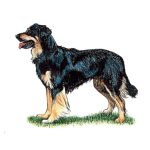
The Hovawart is a powerful, medium-large dog with a striking presence and noble outline. Its body is slightly longer than it is tall, reflecting a combination of strength, agility, and balanced proportions. There is a noticeable distinction between males and females in both build and expression. Males stand between 25–27½ inches (63–70 cm) at the shoulder and weigh 66–88 lbs (30–40 kg), while females are a bit smaller at 23–25½ inches (58–65 cm) tall and 55–77 lbs (25–35 kg) in weight.
The head is clean and moderately broad, with balanced proportions from the back of the skull to the stop and from the stop to the nose. The muzzle is strong and slightly tapered, featuring well-developed nostrils. The alert, intelligent expression comes from medium-sized, oval eyes that range from dark to medium brown. Triangular ears with softly rounded tips hang loosely, and are set to visually broaden the skull.
The Hovawart’s coat is one of its most deserving features. It is medium in length, dense, and weather-resistant, lying straight or with a gentle wave. The fur is shorter on the head and front of the legs and noticeably longer on the chest, underside, backs of the thighs, and the bushy tail. Recognized colors include deep shining black, black with well-defined gold markings, and a rich, medium blonde that lightens toward the legs and belly. The tail itself is bushy and reaches below the hocks, carried aloft when the dog is alert or in motion.
Every aspect of the Hovawart’s structure—from the strong neck, muscled shoulders, deep chest, and compact feet to the straight forelimbs and powerful hindquarters—reflects an athletic dog built for stamina, agility, and resilience. Its gait is free, covering the ground effortlessly, underscoring both its working heritage and elegant style.
Temperament & Behavior
The Hovawart’s temperament is defined by loyalty, composure, and absolute self-assurance. In the home, this breed is kind and dependable, forming deep attachments to its family. While affectionate with those it knows, it maintains a composed demeanor, demonstrating courage without nervousness or undue aggression. Its natural instinct is to protect, and it takes its role as a guardian seriously, creating an ever-watchful presence that contributes to a sense of security at home.
This breed thrives when given both a purpose and close social interaction. As a member of the working group, the Hovawart was bred for challenging tasks—from guarding estates and property to search and rescue efforts. These origins are still evident today in its agile, resilient, and adaptable personality. The Hovawart’s devotion and confidence make it a steady family companion, especially in homes that encourage respectful boundaries and gentle guidance.
Socialization from an early age is important, as Hovawarts are naturally discriminating with strangers and benefit from positive introductions to new people, animals, and environments. With consistent, clear leadership and proper social exposure, they often integrate well with other dogs and children, although their strong guarding instincts may lead to wary or reserved behavior in unfamiliar settings.
Owners are rewarded with an especially versatile companion: a dog who is equally at ease watching over the home, participating in outdoor adventures, or engaging in training and games that stimulate both body and mind.
Care & Living Needs for the Hovawart
The Hovawart requires an active lifestyle, with more than two hours of exercise every day. Long walks, play sessions, and structured activities like hiking or advanced obedience not only meet their physical needs but also harness their intelligence and drive. A large, secure garden or yard is ideal, giving them space to explore and move about freely between more formal outings.
Due to their size and vivacity, Hovawarts are best suited to a spacious home environment—typically, a large house is preferred. They can adapt to life in either urban or rural settings provided their exercise and mental stimulation requirements are met. A securely fenced yard is strongly recommended, both for freedom and the opportunity to satisfy their natural instincts safely.
Grooming this breed is a moderate task, as their medium-length, dense coat should be brushed more than once a week to manage shedding and prevent tangles. They do shed, and regular grooming helps keep their coats in top condition and minimizes stray hair around the home. Regular checks of the ears, nails, and teeth round out a typical grooming routine.
Mental engagement is just as crucial as physical activity. Hovawarts thrive on tasks that challenge their minds—advanced training, scent work, or interactive games are excellent ways to stave off boredom. Early socialization and ongoing obedience work are key, as the breed’s self-assurance can lean toward independence if not guided gently and consistently. Families or individuals not prepared to commit ample time to exercise, leadership, and training may find this breed overwhelming, as under-stimulation can result in undesirable behaviors.
Health & Common Issues
The Hovawart is generally a robust and healthy breed, often enjoying a lifespan of over 10 years. Its physical build and active lifestyle contribute to its resilience, but—as with many larger breeds—owners should monitor weight and condition, provide steady exercise without overexertion, and attend regular veterinary health checks to maintain well-being.
Routine care for a Hovawart includes balanced nutrition, joint-friendly activities especially as the dog matures, and regular assessments of the ears, teeth, nails, and coat. Regular grooming and periodic health screenings help catch minor issues before they become problematic. With proper attention and preventive care, Hovawarts often remain active and healthy companions well into their later years.
Official Breed Standard Summary
The official breed standard provides a clear blueprint for the Hovawart’s ideal temperament, build, movement, and appearance. It sets forth the desired qualities that ensure the breed remains fit for its historical roles as both a guardian and working companion. Soundness, balance, and an absence of exaggeration are emphasized to maintain the breed’s overall health and vitality.
The standard emphasizes a strong, medium-to-large, slightly longer than tall dog, with a dense, weather-resistant coat of medium length. Recognized colors are black, black and gold, and blonde, with only minor white markings allowed. The typical Hovawart carries itself with effortless, ground-covering movement, showcasing both power and agility. Males and females should retain clearly distinguishable characteristics in size and structure.
Any noticeable departure from these guidelines should be viewed according to its impact on the dog’s health and function. Key features include a balanced head, strong teeth with a scissor or pincer bite, compact feet, a bushy tail carried according to mood, and thick pads for endurance. Male Hovawarts should have two normal testicles descended into the scrotum.
The breed standard notes that described sizing should serve as a guideline; individual dogs may fall slightly outside the ideal measurements. Judges and breeders are encouraged to uphold the integrity of the breed by prioritizing overall welfare, functionality, and breed type without rewarding extreme features.
Frequently Asked Questions about the Hovawart
Is the Hovawart good for first-time dog owners?
The Hovawart is best suited for experienced dog owners due to its intelligence, strength, and need for consistent leadership. Novice owners may find its independent spirit and guarding instincts challenging without prior experience.
How much exercise does a Hovawart need daily?
This breed requires more than two hours of exercise each day. Activities should mix physical movement with mental enrichment to keep the Hovawart balanced and content.
Is the Hovawart good with children?
Hovawarts are loyal and can be gentle with children they know, especially when raised with them. As with all breeds, supervised interactions and mutual respect are important for safety and enjoyment on both sides.
Can the Hovawart live in an apartment?
The Hovawart is not ideal for apartment living due to its size and exercise requirements. A large house with a garden or yard is preferable for meeting its physical and social needs.
How much grooming does a Hovawart need?
Its medium-length coat needs brushing more than once a week to control shedding and keep the coat healthy. Regular attention to ears, nails, and teeth should be included in the grooming routine.
Are there common health concerns in this breed?
The breed is generally robust with good longevity. Maintaining an appropriate weight, providing joint-friendly exercise, and scheduling routine veterinary exams help ensure continued good health.


