
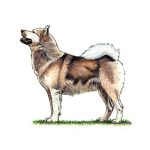
What Are the Traits and Care Tips for the Greenland Dog Breed?
The Greenland Dog is a breed for those seeking a resilient, hard-working companion with a touch of northern wildness. Firmly rooted in tradition as a sled and freight dog in the harsh Arctic environment, the Greenland Dog carries both a rich heritage and an independent streak. This is not a breed for the passive or the idle; it thrives in active households that understand the unique requirements of an intelligent, energetic working dog.
Known for their striking appearance and bold nature, Greenland Dogs excel in environments where their instinct for work, exploration, and companionship is embraced. Their loyalty and affectionate temperament can make them devoted family members, but they are best matched with experienced owners who can provide the necessary structure, space, and activity level. As both a symbol of cultural resilience and a robust partner in adventure, the Greenland Dog brings a world of capability to those prepared for its drive and demands.
- Overview of the Greenland Dog
- Key Characteristics
- Appearance of the Greenland Dog
- Temperament & Behavior
- Care & Living Needs
- Health & Common Issues
- Official Breed Standard Summary
- Frequently Asked Questions
Group: Working
Size: Large
Exercise needs: More than 2 hours per day
Coat length: Medium
Grooming: Once a week
Shedding: Yes
Lifespan: Over 10 years
Ideal home type: Large house
Town or country: Country
Garden needs: Large garden
Overview of the Greenland Dog
Originating as the sole native dog breed of Greenland, the Greenland Dog has endured some of the harshest conditions imaginable. Not many breeds can claim a legacy of both survival against epidemics and the protection of their genetic integrity through strict laws against crossbreeding. Built for hauling sledges and freight across frozen Arctic landscapes, this breed remains as tough and determined as the terrain it calls home.
Over centuries, Greenland Dogs have played an essential role in transportation and working life, acting as reliable partners for hunters and explorers in unforgiving climates. Their natural adaptations—thick coats, muscular builds, and remarkable stamina—make them exceptional at tasks such as pulling loads and traversing snowy expanses. As traditional work wanes, today’s Greenland Dog is valued by active owners, rural families, and those drawn to the history and character of northern breeds.
This is not a breed for those seeking a couch companion or apartment dweller. The Greenland Dog flourishes where there is space, purpose, and activity. They reward committed owners with a devoted, dignified presence and unwavering work ethic, but demand patience, consistency, and significant daily physical challenges to stay healthy and content.
Key Characteristics
- Energy level – Very high, requiring more than two hours of exercise and significant daily activity.
- Trainability – Intelligent and driven, but can be stubborn and independent, responding best to firm, consistent training.
- Intelligence – Quick-thinking and resourceful, bred for problem-solving in challenging environments.
- Prey drive – Possesses a natural hunting and chasing instinct typical of working Arctic breeds.
- Social needs – Values companionship but is comfortable with independence; does well with regular family interaction.
- Compatibility with families and children – Affectionate and good-natured, especially bitches, but best suited to families experienced with high-drive dogs.
- Compatibility with other dogs – Generally sociable with other canine companions, as they were often kept in teams.
- Guarding or watchdog tendencies – Alert and bold, can be protective but not aggressive without reason.
- Adaptability to city or country life – Highly suited to rural and spacious environments; not ideal for city or apartment living.
- Best suited owner type – Energetic, knowledgeable owners who can provide structure, leadership, and ample space for exercise.
- Typical daily routine – Involves significant physical activity, outdoor time, interactive play, and regular grooming.
Appearance of the Greenland Dog
The Greenland Dog gives a powerful, striking first impression, characterized by its sturdy, muscular build and dense, weather-resistant coat. Striking sexual dimorphism is evident, with males noticeably larger and heavier than females. Standing between 58 and 68 centimeters (23–27 inches) at the shoulder for males and 51 to 61 centimeters (20–24 inches) for females, this is a breed that commands attention.
The breed’s head is broad and wedge-shaped, signifying strength and determination. Dark brown or tawny eyes, set obliquely, exude an alert and confident expression. Ears are small, firm, and erect, well protected against the cold by a layer of fur. The muzzle tapers gently, ending in a black or brown nose, and the jaws house strong, uncrowded teeth with a scissor bite.
The Greenland Dog’s body is compact yet well-muscled, with a deep chest and well-sprung ribs—proportions designed for both power and stamina. The neck is short, heavy, and muscular, reflecting the breed’s origin as a freight dog. Forequarters and hindquarters are heavily boned and muscular, supporting a gait characterized by a level back and parallel movement.
The thick double coat is a standout feature, composed of a dense undercoat with longer, coarser guard hairs, providing insulation and protection against Arctic cold. Hair is longest on the neck, withers, breeches, and tail underside, while the legs and head bear shorter fur. Color ranges across nearly all known dog colors and combinations—including black & white, red, grey, sable, tan, and white mixes. The bushy tail, set high and loosely curled over the back, completes the breed’s rugged look.
Large, strong feet with dense fur between the toes help the Greenland Dog navigate deep snow, while a robust, bushy tail adds to its balance and insulation. This breed’s form is not ornate or exaggerated, but practical—every feature developed for function in challenging environments.
Temperament & Behavior
The Greenland Dog is renowned for its dignified, intelligent, and sound nature. Described as good-natured and affectionate, especially with those it knows, this breed also displays a natural boldness and independence—a necessity in its working origins. Bitches tend to be more amenable, but both sexes are considered alert and adaptable.
At home, these dogs may appear calm, but their heritage means they are always ready for action given the opportunity. Their strong need for purpose and activity translates to lively play and engagement with those they trust. While not prone to unnecessary aggression, their bold character can make them formidable if challenged or left without leadership.
Greenland Dogs enjoy social time with people and typically adjust well to other dogs, reflecting their background working in teams. However, they often exhibit a high prey drive; care should be taken around smaller animals, and early socialization remains key. Their independence can sometimes be mistaken for aloofness, but with consistent, confident handling, their affectionate side becomes apparent.
This breed encapsulates the spirit of the working group: dependable, resilient, and, when properly guided, capable of impressive feats. They are not natural lap dogs but instead shine in roles where their capabilities are valued and employed in meaningful activity.
Owners must balance respect for the dog’s strong will with guidance and routine, benefiting from a companion that is both loyal and adaptive. Less experienced handlers may find the breed challenging without proper preparation, while those familiar with active, intelligent breeds discover a deeply rewarding relationship.
Care & Living Needs for the Greenland Dog
Meeting the needs of a Greenland Dog requires a combination of space, time, and dedication. This is a breed bred for movement; more than two hours of rigorous exercise daily is necessary to maintain both mental and physical health. Long hikes, vigorous play in large, fenced areas, and opportunities to pull sleds or carts can help satisfy this drive.
The ideal home for a Greenland Dog is a large house in a rural or suburban setting, complemented by a spacious garden or yard. These dogs are not suited for life in small apartments or urban neighborhoods. Their preference for colder climates means households in cooler regions may find it easier to meet their comfort needs, though with proper care, they can adapt to milder weather.
Despite their rugged coat, Greenland Dogs are relatively low-maintenance in terms of grooming. Weekly brushing is usually sufficient to remove loose hair and prevent matting, though they shed seasonally and may require additional attention when molting. Their medium-length double coat provides ample protection against cold and wet conditions but does result in moderate shedding.
Mental stimulation is as important as physical exercise for this intelligent breed. Obedience training, interactive toys, challenging games, and regular problem-solving tasks help prevent boredom-driven behavioral issues. Consistent training that respects the dog’s independence, using clear guidance and positive reinforcement, works best. Novices or those without experience managing high-energy working breeds may find the Greenland Dog overwhelming and may want to consider breeds that require less demanding routines.
Health & Common Issues
The dataset does not list specific common health problems for the Greenland Dog. In general, large, active breeds like this may benefit from regular veterinary care to monitor physical condition, particularly as they age. Special attention should be paid to weight management, dental hygiene, and routine vet visits for vaccinations and health checks.
The Greenland Dog’s heritage as a vigorous worker lends it a robust constitution. Owners should provide a balanced diet to support their energy requirements, monitor for changes in mobility, and observe coat and skin health, especially in warmer climates. Weekly grooming not only maintains coat condition but also offers an opportunity to check for any signs of skin irritation or other concerns.
As with most breeds, consistent care—including exercise, mental engagement, and regular vet visits—promotes longevity and overall well-being. Prospective owners are encouraged to work with responsible breeders or advisors knowledgeable about the breed to better understand any specific care needs.
Official Breed Standard Summary
The official breed standard outlines the key features that define the Greenland Dog’s form, temperament, and suitability for its traditional roles. It emphasizes a balance between appearance and function, with careful avoidance of any extreme traits that might detract from the dog’s health or ability to work. Soundness and overall fitness are central to the standard, ensuring the breed remains robust and capable.
The Greenland Dog stands out for its powerful, muscular body, dense double coat, and distinct differences in size between males and females. Height and weight ranges are established as guidelines, but individual dogs may vary. Accepted colors span nearly all dog colorations except for merle, affirming the breed’s diverse appearance.
The standard highlights a level, strong gait, well-proportioned head, firm ears, large feet, and a bushy tail set high. The thick, straight outer coat and protective undercoat serve the breed’s original Arctic function. Movement is purposeful and parallel, maintaining a level back whether at work or play.
Any deviation from key characteristics is viewed in proportion to its impact on health and welfare. Prospective puppy buyers are reminded that the breed standard offers a model, not an absolute, and that individual size or weight may differ without detracting from the dog’s suitability or quality. The presence of certain physical traits, such as two fully descended testes in males, is also specified for breeding and show purposes.
Frequently Asked Questions about the Greenland Dog
Is the Greenland Dog good for first-time dog owners?
The Greenland Dog is best matched with experienced owners who understand the needs of independent, high-drive working breeds. Novices may find their strength, energy, and independence a challenge to manage effectively.
How much exercise does a Greenland Dog need daily?
This breed needs more than two hours of intense physical activity every day to maintain health and happiness. Activities such as long walks, running, or pulling work are essential parts of their routine.
Is the Greenland Dog good with children?
Greenland Dogs can be affectionate and good-natured with children, especially when raised together. As with any large, powerful breed, supervised interactions and respectful handling are recommended.
Can the Greenland Dog live in an apartment?
These dogs are not well suited for apartment life. Their need for space, high activity levels, and preference for a large, secure outdoor area make them much better adapted to rural or suburban homes with large gardens.
How much grooming does a Greenland Dog need?
Weekly brushing is typically sufficient to keep their medium-length double coat healthy, though shedding periods require more frequent grooming. Their coat is designed for harsh weather but does result in noticeable shedding.
Are there common health concerns in this breed?
There are no specific common health issues noted for this breed in the current data. Like all large breeds, regular checkups and a healthy lifestyle are key to maintaining their robustness.


