
What Are the Traits and Care Tips for Newfoundland Dogs?
The Newfoundland is a gentle giant with a long history of working alongside humans, making it a wonderful companion for those who have the space and time to accommodate its unique needs. Known for its loyal, patient temperament and impressive physical strength, this breed is a favorite among families who appreciate a calm, dependable dog with a rich working heritage.
This breed’s imposing size is matched only by its kind disposition, making the Newfoundland ideally suited for family life in homes with ample space. Whether as a beloved companion or a steadfast helper, the Newfoundland excels in both roles thanks to its intelligence, patience, and natural affinity for humans.
- Overview of the Newfoundland
- Key Characteristics
- Appearance of the Newfoundland
- Temperament & Behavior
- Care & Living Needs
- Health & Common Issues
- Official Breed Standard Summary
- Frequently Asked Questions
Group: Working
Size: Large
Exercise needs: Up to 1 hour per day
Coat length: Medium
Grooming: Every day
Shedding: Yes
Lifespan: Under 10 years
Ideal home type: Large house
Town or country: Country
Garden needs: Large garden
Overview of the Newfoundland
The Newfoundland dog hails from the rugged shores of northeastern Canada, developed to assist humans in a variety of demanding tasks. Its origins are tied to European fishermen who arrived in Newfoundland, bringing dogs that were selectively bred for strength, stamina, and the ability to thrive in harsh maritime conditions. Over generations, the breed became renowned for its capability in water work, from rescuing items lost overboard to saving struggling swimmers.
Historically, Newfoundlands took on roles such as hauling nets for fishermen, pulling carts, or even enduring dangerous rescues from boats and helicopters. Today, their reputation as life-savers persists, but many Newfoundlands enjoy a more relaxed existence as loving pets—still prepared to spring into action if needed, and always bringing a sense of security and serenity to their households.
Their loyalty and docile nature make them especially appealing for families seeking a companion with a strong protective instinct, yet a soft, gentle presence. These dogs are ideally suited to owners who live in spacious, rural settings and appreciate both the practical and emotional support a working breed can offer.
Key Characteristics
- Energy level – Generally relaxed, but enjoys regular physical activity and excursions, especially in or near water.
- Trainability – Highly receptive to positive training due to intelligence and eagerness to please, though their large size requires commitment.
- Intelligence – Quick to learn both practical and social cues, excelling in obedience and rescue-related activities.
- Prey drive – Typically low, as this breed was developed for collaboration rather than chasing.
- Social needs – Thrives on companionship and does not fare well when left alone for extended periods.
- Compatibility with families and children – Exceptionally good with kids, patient and protective without being overbearing.
- Compatibility with other dogs – Tends to get along well due to its calm and tolerant temperament.
- Guarding or watchdog tendencies – Naturally alerts to strangers or unusual situations but is not aggressive or reactive.
- Adaptability to city or country life – Best suited to rural or suburban settings with ample space to move and play.
- Best suited owner type – Owners with a large home and garden who have time for daily care and can handle a very large breed.
- Typical daily routine – Regular walks, interactive play, consistent grooming, and lots of relaxed time with family members.
Appearance of the Newfoundland
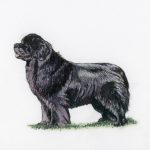
The Newfoundland makes a memorable first impression with its noble, balanced, and powerful build. These dogs have a massive, deep-bodied frame, yet their proportions are carefully balanced to allow both strength and agility. Males typically stand around 28 inches at the shoulder and weigh 141–152 pounds, while females are slightly smaller, maintaining the same substantial structure and depth of chest.
The head is broad with a slightly arched crown, expressive almond-shaped eyes, and tightly fitting eyelids conveying both intelligence and gentleness. The muzzle stays broad and rather square along its length, blending harmoniously with the rest of the face. Newfoundlands feature relatively small, triangular ears that lie close to the head, further enhancing their dignified appearance.
The breed’s double coat is one of its signature features—coarse, flat, and water-resistant on the outside, with a dense, soft undercoat beneath. This specialized fur helped the Newfoundland work in icy waters and adverse conditions, and today requires diligent grooming. Colors standard for the breed include jet black, chocolate brown, and Landseer (white with distinctive black markings).
The body is compact yet slightly longer than tall, supported by strong, straight legs with well-sprung ribs and a deep chest. The tail is broad at the base and carried with a slight curve, complementing the dog’s imposing silhouette. Subtle details, like webbed feet and feathering on the legs, are functional reminders of the breed’s aquatic past.
Temperament & Behavior
At home, the Newfoundland is renowned for an exceptionally gentle and docile nature. These dogs are naturally calm, often content to lounge with their family, yet always remain attentive and alert to their surroundings. Their famous patience extends to children, whom they watch over with a quiet protectiveness that has made them legendary as “nanny dogs.”
The Newfoundland’s personality makes it well suited for multi-pet households as well. It typically interacts peacefully with other dogs, rarely displaying dominance or excessive guarding behavior. Instead, its confidence and generally easygoing attitude make introductions and group environments relatively smooth.
The breed’s working roots are always present—this is a dog with impressive instincts for rescue and assistance, whether helping to retrieve, pull, or even comfort. While not fierce guard dogs, Newfoundlands are keenly aware of their environment and always ready to support their families if a situation feels off. Their ability to adapt to new routines, paired with a deep devotion to their owners, makes them both heroic and cherished companions.
Being a member of the working group, the Newfoundland shares a lineage with some of the world’s most dependable canine partners. These dogs thrive on purpose and connection, preferring a role within a family structure where their calm steadiness and bravery are appreciated on a daily basis.
Care & Living Needs for the Newfoundland
Newfoundlands need regular daily exercise, but their overall energy level is more moderate than some might expect for a working breed. Around an hour per day—broken into walks, play, or swimming—is sufficient to keep them fit and content. Their origins in the outdoors make a large house and, ideally, a large garden almost essential for their well-being. This breed is best matched with families who live in the country or in spacious suburban areas where they can roam and relax.
Grooming is a major component of Newfoundland care. Their medium-length, double-layered coat sheds year-round and requires thorough brushing every day to avoid matting and to maintain the coat’s natural luster and water resistance. Owners should pay special attention to feathering on legs and the dense undercoat, especially during shedding seasons.
Mental stimulation is as important as physical care. Newfoundlands respond well to consistent, positive-based training routines and enjoy jobs or interactive games that engage their generous spirit. Structured socialization and ongoing basic obedience will help manage their size and channel their intelligence constructively.
This breed is not a good match for those living in apartments, individuals with minimal outdoor space, or anyone unable to provide daily grooming and time for companionship. Their large size and specific needs require a dedicated commitment, but those who can offer the right environment will find the Newfoundland an exceptional family friend.
Health & Common Issues
The Newfoundland’s robust physique comes from generations of purposeful breeding, but like all large dogs, they benefit from attentive, preventive care. No specific health trends are highlighted, reflecting the importance of monitoring for general concerns common to large, deep-chested breeds, such as managing joint health and supporting the heart with appropriate diet and activity.
Routine veterinary check-ups are essential to monitor their overall condition, detect potential issues early, and ensure they receive necessary vaccinations and parasite control. Regular exercise suited to their size helps maintain a healthy weight and strong muscles, which is key for reducing strain on joints as they age.
Good dental care and a watchful eye for any changes in behavior, energy, or appetite will help keep a Newfoundland in good shape. Owners dedicated to daily grooming, weight control, and ongoing veterinary care can help their dogs live long, healthy, and happy lives.
Official Breed Standard Summary
The official breed standard for the Newfoundland outlines the ideal characteristics, appearance, and temperament that define this remarkable working dog. Judges and breeders are advised to prioritize soundness, health, and function over exaggerated features or colors. The breed should present a noble, powerful, and well-balanced appearance, maintaining a compact yet deep-bodied shape.
Acceptable coat colors are black, brown (chocolate or bronze), and Landseer (white with specific black markings). Any other coloring is classified as undesirable. The signature double coat must be dense, water-resistant, and naturally fall back into place after brushing. Movement is meant to be effortless, conveying strength and purpose with a characteristic rolling gait.
Size is impressive but should never come at the expense of balance and structure; males typically reach 28 inches and 141–152 pounds, with females slightly smaller. Breed faults are any features that detract from the dog’s health, soundness, or ability to fulfill its intended functions. The standard also strictly notes requirements for a dog’s physical health, without rewarding any harmful exaggerations in show environments.
Prospective owners are reminded that individual dogs may vary from the ideal described, with some larger or smaller than average. The emphasis remains on moderation and overall well-being rather than strict adherence to measurements.
Frequently Asked Questions about the Newfoundland
Is the Newfoundland a good choice for first-time dog owners?
While the Newfoundland’s gentle temperament makes it approachable for many, its large size and extensive grooming and exercise requirements make it best suited for owners with the time, resources, and physical ability to manage a giant breed.
How much exercise does a Newfoundland need daily?
Newfoundlands require up to an hour of exercise each day, which can include walking, swimming, or controlled play. While not overly energetic, they do need activity to stay healthy and happy.
Is the Newfoundland good with children?
This breed is famously patient and gentle with children, often forming strong, protective bonds and showing remarkable tolerance for kids of all ages.
Can the Newfoundland live in an apartment?
Due to its very large size and need for space, the Newfoundland is not suitable for apartment life. It thrives best in homes with a large garden or access to open spaces.
How much grooming does a Newfoundland need?
Daily brushing is essential to prevent matting and manage shedding. Their dense double coat demands a consistent grooming routine, especially during heavier seasonal shedding.
Are there common health concerns in this breed?
No specific health conditions are highlighted, but as with most large breeds, keeping up with regular veterinary visits and maintaining a healthy weight are important for longevity and quality of life.


