
What Are the Traits and Care Tips for Old English Sheepdogs?
The Old English Sheepdog is a striking, charismatic companion, well-known for its flowing coat and amicable personality. This breed suits people and families looking for a large, devoted dog with a history of herding and working livestock. Its gentle, biddable nature makes it an appealing choice for experienced owners interested in a dedicated and loyal canine presence, whether as a spirited family member or a trustworthy partner in active homes.
This breed excels in households that can provide plenty of space and activity, rewarding its owners with affectionate loyalty and unmistakable charm. Its impressive appearance, coupled with renowned stamina and intelligence, establishes the Old English Sheepdog as both an iconic working dog and a loving companion for those who appreciate its unique blend of character and tradition.
- Overview of the Old English Sheepdog
- Key Characteristics
- Appearance of the Old English Sheepdog
- Temperament & Behavior
- Care & Living Needs
- Health & Common Issues
- Official Breed Standard Summary
- Frequently Asked Questions
Group: Pastoral
Size: Large
Exercise needs: More than 2 hours per day
Coat length: Long
Grooming: Every day
Shedding: Yes
Lifespan: Over 10 years
Ideal home type: Large house
Town or country: Either
Garden needs: Large garden
Overview of the Old English Sheepdog
The Old English Sheepdog is a breed steeped in British pastoral tradition, renowned for its strong presence and remarkable coat. Historically, the development of this breed is said to have involved crosses between various European sheepdogs, possibly including the Scottish Collie, Bearded Collie, and even breeds like the Ovtcharka. Although its precise origins spark much debate, the breed has long held a prominent place as both a drover’s and shepherd’s companion, moving livestock across fields and along country roads.
This dog’s robust frame and notable stamina speak to its working roots—traits designed for herding and driving, at times more cattle than sheep. The breed is uniquely adapted for harsh weather conditions, thanks to its dense, weather-resistant coat and sturdy build. Over the years, it has transitioned seamlessly from the fields to family settings, where its even temperament and intelligence shine just as brightly as on the farm.
Owners who thrive alongside the Old English Sheepdog often enjoy an active, outdoor lifestyle and the challenge of caring for a high-maintenance coat and active mind. The breed’s characteristics make it a wonderful choice for those seeking a blend of history, heart, and companionship—provided they can meet its considerable physical and grooming needs.
Key Characteristics
- Energy level – Requires significant daily exercise to maintain health and happiness.
- Trainability – Responds well to positive, consistent training and enjoys learning new tasks.
- Intelligence – Highly intelligent, benefiting from mental challenges and varied activities.
- Prey drive – Typically low, due to a history focused on herding rather than hunting.
- Social needs – Thrives on regular interaction with people and is happiest as a true family member.
- Compatibility with families and children – Known for being gentle, sturdy, and trustworthy around children.
- Compatibility with other dogs – Usually sociable with other dogs when well socialized from an early age.
- Guarding or watchdog tendencies – May act as an alert watchdog, thanks to a distinctive bark and awareness of surroundings.
- Adaptability to city or country life – Versatile, provided exercise needs and space requirements are met.
- Best suited owner type – Ideal for active individuals or families with experience handling large, working breeds.
- Typical daily routine – Enjoys vigorous walks, play in a sizable garden, mental stimulation, and plenty of affection.
Appearance of the Old English Sheepdog
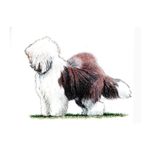
The Old English Sheepdog commands immediate attention with a strong, square silhouette and a profuse, shaggy coat. It is a large, muscular dog, displaying overall balance and an impression of sturdy athleticism. The breed is absent of legginess and moves with a characteristic rolling gait, especially noticeable at a walk.
Its head is broad and square, with a pronounced stop and well-arched skull above expressive, widely set eyes. Eye color varies from dark to blue, and sometimes eyes appear as two different colors. Small ears lie flat against the sides of the head, contributing to the breed’s distinct look. The muzzle matches the square profile, finishing with a sizable black nose and wide nostrils.
The body of the Old English Sheepdog is compact yet deep-chested, with well-sprung ribs and a moderately short frame. Forelegs are perfectly straight and strong, ensuring a stable and powerful stance. The hindquarters are muscular and broad, with well-developed thighs and a gentle arch at the loin.
Perhaps the breed’s most memorable feature is its coat, which is abundant, harsh in texture, and never straight or curly—best described as shaggy and protective. The undercoat offers excellent insulation, and hair covers the head, neck, limbs, and torso generously. Accepted colors include various shades of grey, blue, blue-grey, grizzle, with or without distinct white markings, while brown is unsuitable. Height varies, with males standing at least 24 inches and females at least 22 inches at the shoulder.
Temperament & Behavior
The Old English Sheepdog is celebrated for a calm, even temperament, marked by loyalty, courage, and impressive tolerance. The breed is biddable and friendly, making it an outstanding family companion. Its absence of nervousness or unprovoked aggression contributes to its reputation as a safe and trustworthy pet for homes with children or regular visitors.
As a pastoral breed, the Old English Sheepdog has deep-rooted social tendencies, not only with humans but also with other animals. Bred to work inside a flock or herd, it is typically steady around livestock and domesticated animals. With the right socialization, these dogs are comfortable with other dogs and adapt quickly to mixed-animal households.
The breed’s intelligence is a standout trait, resulting in a dog eager to learn and participate in cooperative activities—from obedience to canine sports. While generally easy-going, an Old English Sheepdog will offer a distinctive, resonant bark when alerting to the unfamiliar or guarding its home, reflecting both its history as a drover’s dog and its attentiveness to its environment.
However, these are large, physically capable dogs, so consistency in training and positive reinforcement is necessary to avoid boisterous behavior. Carefully managed introductions and routines support the best aspects of their personality, bringing out loyal companionship while maintaining proper household manners.
Care & Living Needs for the Old English Sheepdog
Caring for an Old English Sheepdog means meeting significant exercise requirements—more than two hours daily is optimal for physical and mental well-being. These dogs thrive with active owners who can provide a large home and ample access to a spacious, secure garden. While adaptable to town or country living, a cramped space or limited outdoor time may result in restlessness or frustration.
The Old English Sheepdog’s coat needs daily attention. Expect regular brushing to prevent mats and tangles, as the long, shaggy double coat sheds and will quickly become unmanageable without consistent care. Bathing may be necessary on occasion, especially for dogs enjoying rural or muddy environments. The breed does shed, so prepare for extra cleaning during seasonal changes.
Mental stimulation is as critical as physical exercise. These intelligent dogs enjoy problem-solving tasks, herding games, and varied training sessions. Early obedience work and socialization will help foster a well-balanced adult. Interactive toys, agility activities, and learning new tricks all contribute to a satisfied Sheepdog.
This breed is best for owners with both the time and experience to handle a large, energetic, and high-maintenance dog. Families unwilling to dedicate time to daily grooming, or those without adequate space for exercise, may find the breed’s requirements overwhelming. Commitment to its care, exercise, and social needs is vital for a happy and harmonious household.
Health & Common Issues
The dataset does not specify particular health issues for the Old English Sheepdog. Like all large and active breeds, routine veterinary visits and health assessments are important to monitor weight, teeth, and overall condition. Attention to diet and proper exercise can help maintain ideal health throughout the dog’s life.
Regular grooming and coat checks are also vital to keep the skin healthy and to spot any changes promptly. Keeping the ears clean and monitoring eye health are worthwhile habits for any owner, especially in breeds where fur can obscure the face or trap moisture.
Providing an enriching environment and maintaining a balanced regime of activity supports both physical and mental health. Early detection of potential issues through vet checks ensures a long and vibrant life, in line with the breed’s typical lifespan of over 10 years.
Official Breed Standard Summary
The official breed standard for the Old English Sheepdog emphasizes soundness of mind and body, focusing on strength, symmetry, and function. The ideal dog is square in appearance, well-muscled, and free from exaggerations that might affect movement or health. Judges and breeders are expected to avoid any features that could hinder the breed’s welfare, prioritizing natural, unaltered outlines over extreme grooming or cosmetic trims.
Coat quality, texture, and profusion are important, but not at the expense of utility or health. The coat should be shaggy, with a harsh texture and a dense, weather-resistant undercoat to reflect the breed’s working origins. Permitted colors include a range of greys, blues, grizzles, and whites, with specific markings detailed to ensure breed fidelity. Brown and certain other color patterns are undesirable in the standard.
Size is defined as a guideline, with type and symmetry considered of chief importance. Official guidance cautions prospective owners not to fixate solely on specific measurements, as healthy variation is expected. All Old English Sheepdogs should present as sturdy, square-framed, and capable of robust athleticism.
Faults in the breed standard are recognized according to their effect on health and welfare. The breed should remain fit for function, maintaining stamina and a gentle rising topline, and always bearing the intelligent and even expression so emblematic of the breed.
Frequently Asked Questions about the Old English Sheepdog
Is the Old English Sheepdog good for first-time dog owners?
This breed can be a challenge for first-time owners due to its size, intelligence, and extensive grooming needs. Experienced or well-prepared new owners who research and commit to its care may find it a rewarding companion.
How much exercise does an Old English Sheepdog need daily?
Old English Sheepdogs generally require more than two hours of exercise each day to stay fit and satisfied. Activities such as walks, play, and mental challenges are recommended.
Is the Old English Sheepdog good with children?
This breed is known for its trustworthy, gentle nature and is often a great companion for children. Supervision and early socialization will help ensure positive interactions and safely manage the dog’s size.
Can the Old English Sheepdog live in an apartment?
While adaptable, the Old English Sheepdog is best suited to larger homes with spacious gardens. Apartment living may not provide enough space for exercise and relaxation, but could work if substantial daily outdoor activity is provided.
How much grooming does an Old English Sheepdog need?
This breed requires daily grooming to maintain its long, dense coat and prevent mats and shedding-related issues. Commitment to this routine is essential for the dog’s comfort and appearance.
Are there common health concerns in this breed?
The dataset does not specify particular health problems, but as with most large breeds, routine check-ups and attentive care are wise. Regular grooming, dental care, and balanced activity help support a healthy lifespan.


