
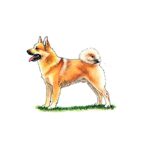
What Are the Traits and Care Tips for the Norwegian Buhund?
The Norwegian Buhund is an energetic, intelligent, and loyal breed that excels in a variety of roles, from herding livestock to being a devoted family companion. Known for their spitz-like appearance and cheerful nature, these dogs have a long history as reliable helpers and steadfast members of the home. They are well suited to active households seeking a medium-sized dog with strong working instincts and a friendly, confident personality.
This breed fits well with owners who appreciate a companion that’s eager to participate in daily activities, be it countryside rambles or time spent playing in a small garden. The Norwegian Buhund brings together boldness, alertness, and an affectionate temperament, thriving in environments where they can use their natural intelligence and boundless energy constructively.
- Overview of the Norwegian Buhund
- Key Characteristics
- Appearance of the Norwegian Buhund
- Temperament & Behavior
- Care & Living Needs
- Health & Common Issues
- Official Breed Standard Summary
- Frequently Asked Questions
Group: Pastoral
Size: Medium
Exercise needs: Up to 1 hour per day
Coat length: Short
Grooming: More than once a week
Shedding: Yes
Lifespan: Over 12 years
Ideal home type: Small house
Town or country: Either
Garden needs: Small/ medium garden
Overview of the Norwegian Buhund
The Norwegian Buhund traces its roots to the rugged landscapes of Norway, where it served as an indispensable assistant to farmers and herders. The breed’s name speaks to its origins: “Bu” refers to a homestead, making the Norwegian Buhund the quintessential homestead dog. With archaeological evidence suggesting that dogs resembling the Buhund were buried alongside Vikings, it is clear that these dogs were highly esteemed for their loyalty and usefulness.
Bred primarily for herding sheep and guarding properties, the Norwegian Buhund developed into a versatile, all-purpose farm dog. Their intelligence, alertness, and ability to adapt made them well suited to manage flocks and keep a watchful eye on the homestead. These qualities also make the breed a thoughtful choice for modern owners who want an active, quick-thinking canine companion.
Today, the Norwegian Buhund remains a favorite in its homeland and among enthusiasts worldwide due to its perky personality, attractive appearance, and suitability as both a working dog and a loving family member. This breed is ideal for people who enjoy involving their dog in daily routines and who appreciate a dog that enjoys both companionship and purposeful activity.
Key Characteristics
- Energy level – Highly energetic and thrives with daily physical exercise and mental stimulation.
- Trainability – Quick to learn commands and routines, making training sessions enjoyable and productive.
- Intelligence – Naturally clever and inquisitive, this breed often enjoys solving puzzles and learning new tasks.
- Prey drive – Displays a moderate prey drive, rooted in its heritage as a herding and farm dog.
- Social needs – Enjoys active participation in family life and regular interaction with its people.
- Compatibility with families and children – Typically good-natured toward children and forms close family bonds.
- Compatibility with other dogs – Generally sociable and gets along with other canines, especially with proper socialization.
- Guarding or watchdog tendencies – Natural vigilance makes them effective as watchdogs, often alerting owners to visitors or unusual activity.
- Adaptability to city or country life – Capable of living in both urban and rural environments, provided exercise needs are met.
- Best suited owner type – Active individuals or families who appreciate a lively, collaborative companion.
- Typical daily routine – Relishes a mix of walks, interactive play, training sessions, and downtime with the family.
Appearance of the Norwegian Buhund
The Norwegian Buhund possesses a distinctive, spitz-like appearance characterized by a compact, squarely built body and a lively expression. This breed’s profile is accentuated by a wedge-shaped head, erect, sharply pointed ears, and a tightly curled tail carried over the back. The general impression is one of alertness and athletic capability wrapped in a medium-sized frame.
Looking closer at the breed’s features, the Buhund’s head is lean and broad between the ears, with a straight bridge and a muzzle that narrows evenly towards a black nose. Its dark brown eyes radiate fearlessness and energy, while the ears are set high, very mobile, and point sharply upwards, adding to its attentive demeanor. The mouth displays a precise scissor bite, and the neck is moderately arched, contributing to a noble stance.
The outer coat is close and harsh, yet smooth, with a soft, woolly undercoat that insulates against the elements. While the hair is shorter and smoother on the head and front legs, it is noticeably longer on the chest, neck, shoulders, and underneath the tail. The breed boasts several eye-catching color options, including wheaten, black, red, wolf-sable, and cream. Some dogs have small symmetrical markings, a white blaze, or black masking, which are all considered attractive. The ideal height for males is around 18 inches at the shoulder, with females being somewhat smaller, and weight is proportional to their sturdy build.
Norwegian Buhunds are agile movers, with a straight, light gait that reveals their working origins, while their compact feet and level topline underscore their athletic and practical construction.
Temperament & Behavior
The Norwegian Buhund is known for its fearless, brave, and energetic temperament. Bred as a herder and farm guardian, the Buhund thrives on being busy and is keen to please those it trusts. This lively disposition transfers well to family life, where the breed is eager to join in on activities, games, and daily routines.
Within the home, the Buhund demonstrates affection, loyalty, and a generally gentle attitude toward children and adults alike. This breed enjoys close social interaction and can become quite attached to its people. Because the Buhund was designed to work closely with humans and livestock, it usually enjoys the company of other dogs, especially if socialized from a young age.
One of the Buhund’s defining characteristics is its watchfulness. The breed is naturally alert and inclined to announce the approach of strangers with enthusiasm, making it an effective, responsive watchdog. At the same time, the Buhund is balanced and avoids being overly aggressive or nervous.
The breed’s intelligence and eagerness to work make it well-suited for a variety of canine activities, from obedience to dog sports. While this mindset is a great asset, it can also present challenges for owners who under-stimulate their dog, as boredom can lead to unwanted behaviors. The Buhund responds best to positive reinforcement and consistent, engaging leadership.
Care & Living Needs for the Norwegian Buhund
Norwegian Buhunds are active dogs that benefit from up to an hour of exercise each day. Walks, runs, games of fetch, or structured playtime are ideal to help channel their energy and satisfy their mental curiosity. Their moderate size suits them to small houses, and they can adapt to either town or country living as long as they have a small or medium garden where they can stretch their legs and explore safely.
Grooming should be performed more than once a week to manage shedding and keep the short, dense double coat in good condition. A regular brushing schedule will help remove loose hair and minimize the amount left around the house. As the Buhund does shed, owners should be prepared for some seasonal hair loss, making grooming a year-round consideration.
Mental stimulation is equally important, as this breed thrives on working both mind and body. Interactive toys, training exercises, and varied walks keep boredom at bay. The Norwegian Buhund learns quickly and generally enjoys structured training based on positive methods. As a breed with a working background, it may not flourish in homes where exercise and engagement are lacking.
Those seeking a calm, couch-loving dog or who find themselves rarely at home may find the Buhund’s energy and need for companionship more challenging. Consistent activity and participation in family life are key ingredients for a happy and balanced Norwegian Buhund.
Health & Common Issues
The Norwegian Buhund is generally considered a sturdy and long-lived breed, with many individuals living beyond 12 years. While the dataset does not specify detailed health issues for the breed, regular veterinary care, a balanced diet, and scheduled health checks are always vital in maintaining any dog’s well-being.
This breed’s athletic build and heritage as a working dog contribute to its overall soundness. Keeping your Buhund at a healthy weight, engaging in moderate exercise, and paying attention to dental care and grooming routines all play a part in supporting long-term health and comfort. Owners should remain observant for any signs of discomfort in movement, changes in appetite, or shifts in behavior, making it easier to address potential health concerns early.
The Buhund’s coat requires attention throughout the year to reduce shedding and promote healthy skin. Routine checks of the ears, teeth, and nails are also recommended as part of a regular care plan. Although no breed is completely free from genetic issues, responsible breeding practices and attentive ownership are the best tools in encouraging a healthy, happy Norwegian Buhund.
Official Breed Standard Summary
The official breed standard for the Norwegian Buhund describes a medium-sized, well-balanced dog of square outline and practical, working construction. The breed should be lightly built with a compact body, upright pointed ears, and a tightly curled tail carried over the back. Absolute soundness and freedom from exaggeration are essential, ensuring the dog is fit and capable of its traditional tasks.
Coat color is an important breed hallmark, with wheatens, blacks, reds that are not too dark, wolf-sable, and cream being preferred. Symmetrical markings such as white patches, a blaze on the head, a narrow ring on the neck, or black mask and tips may also be present. Features or colors outside these accepted parameters are not considered correct according to the breed’s official guidelines.
The movement of the Norwegian Buhund should be light, active, and straight, both when approaching and departing. Faults are to be assessed in relation to their impact on the dog’s health and welfare rather than superficial appearance, and the standard emphasizes that desireable traits must be present in moderation, never to excess.
While ideal heights are provided for show purposes, there is recognition that some dogs may fall outside these measurements yet still embody the breed’s type and character. Males should have two fully descended testicles as part of the breed’s conformational health requirements.
Frequently Asked Questions about the Norwegian Buhund
Is the Norwegian Buhund good for first-time dog owners?
This breed’s intelligence and eager-to-please attitude can be a great match for newcomers, provided they are ready to meet its activity and social needs. Consistent engagement, training, and exercise are musts for success with a Buhund.
How much exercise does a Norwegian Buhund need daily?
The Norwegian Buhund requires up to an hour of daily exercise. A combination of walks, playtime, and mental stimulation helps keep them healthy and happy.
Is the Norwegian Buhund good with children?
With its affectionate and energetic temperament, the Norwegian Buhund is generally a good companion for families with children. Supervision and early socialization ensure positive interactions.
Can the Norwegian Buhund live in an apartment?
While this breed can adapt to apartment living, it is best suited to homes with a small garden and ample opportunities for exercise. Regular walks and engagement are essential in more compact living environments.
How much grooming does a Norwegian Buhund need?
The Buhund’s double coat should be brushed more than once a week to manage shedding and keep it healthy. Seasonal increases in shedding mean grooming takes on greater importance during those periods.
Are there common health concerns in this breed?
No specific health concerns are outlined in the current information, but regular veterinary care, balanced nutrition, and attentive daily routines help maintain overall wellness.


