
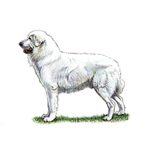
What Are the Traits and Care Requirements of the Maremma Sheepdog?
The Maremma Sheepdog is a majestic guardian dog with strong roots in Italy’s rugged countryside. Known for its intelligence, courage, and independence, the Maremma is a breed developed to guard livestock across wide-open pastures. This dog thrives with active families who can offer plenty of space and are prepared for the high demands of a traditional working breed.
With its imposing white coat and watchful presence, the Maremma Sheepdog is both a loyal companion and a natural protector. Though affectionate and lively around those it trusts, its independent spirit means this breed is best suited for experienced owners who appreciate its heritage and strength of character.
- Overview of the Maremma Sheepdog
- Key Characteristics
- Appearance of the Maremma Sheepdog
- Temperament & Behavior
- Care & Living Needs
- Health & Common Issues
- Official Breed Standard Summary
- Frequently Asked Questions
Group: Pastoral
Size: Large
Exercise needs: More than 2 hours per day
Coat length: Medium
Grooming: More than once a week
Shedding: Yes
Lifespan: Over 10 years
Ideal home type: Large house
Town or country: Country
Garden needs: Large garden
Overview of the Maremma Sheepdog
Originating from Northern Italy, the Maremma Sheepdog has a history that stretches back to ancient times. This breed was shaped by the demands of shepherds who needed a dependable dog to protect their flocks from predators as herds moved between seasonal grazing lands. Through the blending of the Abruzzes herder and the dogs of the Maremma plains, today’s Maremma Sheepdog emerged as a resilient and steadfast guardian. Even now, it’s not uncommon to see these dogs performing their traditional role on Italian pastures, demonstrating the qualities that have been treasured for centuries.
The Maremma Sheepdog was designed first and foremost as a working dog. Its large build, fierce intelligence, and instinctive protective nature make it invaluable to livestock owners. However, these same qualities can be extremely rewarding to experienced owners seeking a capable companion for rural living, large properties, or homes where active hobbies take center stage. Those interested in the breed should recognize that the Maremma’s loyalty and independence come hand in hand with an expectation of purpose and daily engagement.
Potential owners drawn to the breed’s regal looks and strong-willed personality should understand the level of commitment involved. A Maremma Sheepdog is not suited to city apartments or sedentary lifestyles; it thrives where it can roam, work, and be a true member of the family, participating fully in daily activities and household routines, especially in homes with ample outdoor space.
Key Characteristics
- Energy level – The Maremma Sheepdog has a high energy level and requires daily opportunities to stay active.
- Trainability – Intelligent but independent, it often prefers to make its own decisions, so patience and consistency are vital during training.
- Intelligence – A naturally smart breed, especially when it comes to solving problems related to guarding and managing livestock.
- Prey drive – Developed to protect flocks, so often displays a strong sense of vigilance and suspicion towards intruders.
- Social needs – Close bonds with its family but typically reserved and aloof with strangers.
- Compatibility with families and children – Known to be gentle and steady with children when raised alongside them, though always supervise due to its size and strength.
- Compatibility with other dogs – Can co-exist with other dogs, especially if socialized young, but may show dominance or guarding tendencies.
- Guarding or watchdog tendencies – Exceptional instinct for guarding; naturally alert and protective of its home and territory.
- Adaptability to city or country life – Ideally suited to rural environments and spacious properties; apartment living does not meet its needs.
- Best suited owner type – Experienced dog owners who understand working breeds and can lead with calm authority.
- Typical daily routine – Enjoys an active routine with plenty of outdoor time, supervisory roles, and mental stimulation through tasks.
Appearance of the Maremma Sheepdog
The Maremma Sheepdog possesses a commanding yet elegant presence, reflecting its background as a protector working in the harshest of conditions. It is a large and powerful dog, typically measuring 65–73 cm (25½–28½ inches) in males and 60–68 cm (23½–26½ inches) in females, with weight ranging from 77–99 lbs in dogs and 66–88 lbs in bitches. Well-proportioned, the breed’s body is slightly longer than it is tall, giving it a sturdy yet agile frame.
This breed’s most striking feature is its abundant, all-white, weatherproof coat. It is long, plentiful, and slightly harsh to the touch, while a dense undercoat provides insulation against changes in weather. A thick “collar” of fur forms around the neck, giving additional protection and contributing to the majestic look. The coat may have some ivory or pale fawn shading, but other colors are considered unacceptable for the breed.
The Maremma’s head is noticeably conical, with a strong jaw, black nose, and close-fitting lips. Dark, almond-shaped eyes sit beneath expressive brows, imparting an air of reserved intelligence. V-shaped ears are set high, small relative to the head, and covered in short hair. The limbs are muscular and well-boned, yet the overall impression is one of an outdoor dog able to move smoothly and turn quickly even on rugged ground. The broad, strong tail hangs low when relaxed and is covered in thick hair, held level with the back when alert.
The feet are large and almost round, while hind feet are a touch more oval, all with black pads. These attributes, paired with the dog’s overall muscled build and free yet nimble gait, underline the Maremma Sheepdog’s suitability for long hours of work in challenging environments.
Temperament & Behavior
At home, the Maremma Sheepdog exhibits a lively, alert, yet calm nature. Its temperament is defined by intelligence, courage, and steadfastness, with a distinct tendency to be reserved—sometimes even aloof—with people it does not know. Aggression or nervousness is considered entirely out of character for the breed; instead, it maintains a dignified watchfulness, especially when fulfilling its age-old role as a guardian.
Within the family unit, the Maremma forges strong bonds and is often loyal and affectionate to those it trusts. Although independent by nature, it welcomes children, especially when raised with them, taking on a gentle, protective demeanor. However, due to its considerable size and robust energy, playtime should always be supervised.
This breed is part of the broader Pastoral Group, meaning it was bred to work alongside people and protect animals such as sheep or cattle. The Maremma excels as a watchdog and will rarely miss an unfamiliar sound or movement around the property. Socialization from a young age is crucial to ensure its natural guarding instincts are well-directed and do not transform into excessive territorial behavior.
Introducing the Maremma Sheepdog to other dogs and household pets at an early age fosters more harmonious relationships. While it can live peacefully with other animals, it possesses strong independent streaks and may choose to assert itself as the leader if allowed. Clear expectations and positive reinforcement are essential to nurture its cooperative side.
Care & Living Needs for the Maremma Sheepdog
The Maremma Sheepdog is a breed with high daily energy requirements, thriving on more than two hours of physical activity each day. It requires regular walks, active play, and preferably access to a large, secure outdoor space where it can roam and, if possible, keep a watchful eye. Simply put, a small home or limited yard will not satisfy its working instincts or need for exercise.
An ideal home for the Maremma is a spacious rural property with a large garden. This environment lets the dog perform its natural functions: guarding, patrolling, and staying mentally stimulated by surveying the landscape. Suburban or town life can be challenging unless there is ample space and no restrictions on outdoor activity.
Grooming is an ongoing responsibility with this breed. Its medium-length, white coat sheds year-round and demands regular brushing more than once a week to keep mats and tangles at bay. Expect more intensive grooming during seasonal coat changes. Bathing should be as needed—frequent enough to maintain cleanliness, but sparing to avoid stripping the protective natural oils from the coat. Shedding is a reality, so regular upkeep is key for both the dog’s comfort and home cleanliness.
Consistent training and plenty of mental stimulation are essential to prevent boredom and mischief. The Maremma’s independent mindset requires firm, fair leadership and positive reinforcement. Interactive tasks, obedience routines, and some “work” in the form of yard patrols or advanced training exercises will help keep its sharp mind engaged. This breed is best avoided by those looking for a lower-maintenance or apartment-friendly companion, as the dog simply cannot thrive without purpose and space to move.
Health & Common Issues
The dataset does not include specific health concerns for the Maremma Sheepdog. However, as with any large working breed, responsible care includes maintaining a balanced diet, regular veterinary check-ups, and managing activity levels to keep the dog healthy and moving well into old age.
Attention to weight, prevention of injuries while exercising, and dental care will benefit the Maremma’s overall quality of life. Routine grooming also offers the opportunity to check the skin and coat for any potential irritation or abnormalities. Monitoring mobility and providing supportive surfaces for rest can help ensure joints stay comfortable as the dog matures.
Because the Maremma is bred for vigor and endurance in its original home environment, owners should seek out knowledgeable breeders and prioritize general health maintenance, exercise balance, and timely veterinary advice as the best routes for longevity.
Official Breed Standard Summary
The official breed standard for the Maremma Sheepdog describes a majestic, large, and strongly built dog with an outdoor, rugged appearance. Absolute soundness and fitness for purpose are emphasized as essential traits, as is the avoidance of any exaggerations that might harm health or welfare. Judging and breeding prioritize features that enhance functionality in the dog’s traditional guardianship role.
Size guidelines range from 65–73 cm in males and 60–68 cm in females, with weights between 77–99 lbs for dogs and 66–88 lbs for bitches, though actual individuals may fall slightly outside these measurements. The all-white coat is a hallmark of the breed, occasionally displaying minor ivory or pale fawn shading. Any other color is considered outside the standard. The coat is plentiful, slightly harsh to touch, and offers excellent protection in harsh conditions, with a thick undercoat especially visible in winter months.
The Maremma’s movement should be free, nimble, and capable of navigating rough terrain. Key elements such as a conical-shaped head, strong jaw, almond-shaped eyes, and V-shaped ears all support the breed’s satisfaction of working in the field. Faults are assessed in proportion to their effect on overall health and welfare, reinforcing the priority of producing functional and well-balanced dogs.
The standard specifies that males should have two apparently normal testicles fully descended into the scrotum. It’s important for prospective owners to remember that official size and weight guidelines provide a general direction and that individual dogs may vary. The standard offers an ideal to aim for, not an absolute rule for every Maremma.
Frequently Asked Questions about the Maremma Sheepdog
Is the Maremma Sheepdog good for first-time dog owners?
This breed is best suited for experienced dog owners due to its independent nature and strong guarding instincts. Novice owners may find the Maremma’s need for leadership and space challenging to manage.
How much exercise does a Maremma Sheepdog need daily?
The Maremma Sheepdog requires more than two hours of exercise each day. Regular, vigorous activity and access to a large, secure outdoor space are essential for this energetic breed.
Is the Maremma Sheepdog good with children?
When raised with children, the Maremma Sheepdog is known for its steady and gentle behavior. However, supervision is advised due to the dog’s size and strength during playtime.
Can the Maremma Sheepdog live in an apartment?
The Maremma is not suited to apartment living. Its large size, need for exercise, and instinct to guard require a home with ample space and preferably a large garden or rural setting.
How much grooming does a Maremma Sheepdog need?
Regular grooming is necessary, including brushing more than once a week to manage shedding and maintain coat health. Its thick, weather-resistant coat needs extra attention during seasonal changes.
Are there common health concerns in this breed?
No specific health concerns are highlighted in the dataset, but general large-breed care applies. Routine vet checks and preventive care support a healthy, active life for the Maremma Sheepdog.


