
What Are the Traits and Care Tips for a Lancashire Heeler?
The Lancashire Heeler is a compact, energetic dog with deep historical roots as a versatile working companion. Adaptable to both urban and rural lifestyles, this breed is ideal for individuals and families looking for a loyal, cheerful dog who thrives on interaction and has an instinct for herding and vermin control. Their manageable size and moderate exercise needs make them a sensible choice for those living in apartments or houses with small gardens.
Originally bred to move cattle and control pests, the Lancashire Heeler brings together the spirit of a terrier and the herding ability of a corgi. This combination results in a lively temperament, exceptional intelligence, and a charming presence in the home. Their affectionate demeanor towards their owners blends beautifully with their unique history, making them a loving yet capable member of any household.
- Overview of the Lancashire Heeler
- Key Characteristics
- Appearance of the Lancashire Heeler
- Temperament & Behavior
- Care & Living Needs
- Health & Common Issues
- Official Breed Standard Summary
- Frequently Asked Questions
Group: Pastoral
Size: Small
Exercise needs: Up to 1 hour per day
Coat length: Short
Grooming: Once a week
Shedding: Yes
Lifespan: Over 12 years
Ideal home type: Flat/ Apartment
Town or country: Either
Garden needs: Small/ medium garden
Overview of the Lancashire Heeler
The Lancashire Heeler’s story reaches back to the days when cattle were driven from Wales to the Ormskirk markets, where they earned a reputation as agile, clever herders and determined ratters. This breed emerged from a cross between the Welsh Corgi, prized for its low-slung herding ability, and the Manchester Terrier, famed for agility and vermin hunting skills. The result is a distinctive little dog that combined two specialized working backgrounds into one capable, spirited package. In the Ormskirk area, these dogs were so integral to farm life that they were once popularly known as the Ormskirk Heeler or Ormskirk Terrier long before their official recognition.
Ideal for owners seeking an energetic, small breed able to thrive in many environments, the Lancashire Heeler brings both a cheerful energy and an independent working streak. Their adaptability suits singles, couples, or families, and they fit seamlessly into apartment living as well as country homes. While their herding roots remain strong, they have proven themselves as affectionate companions, keen for interactive play and quality time with their people.
Though rare and designated a vulnerable native breed, the Lancashire Heeler’s loyal personality and robust health have solidified their place in the hearts of those familiar with their charms. They tend to bond closely with their family while still displaying that bold spark one expects from a dog bred for both cattle work and ratting.
Key Characteristics
- Energy level – Lively and spirited, the Lancashire Heeler enjoys regular activity and play throughout the day.
- Trainability – Clever and quick to learn, they respond well to positive reinforcement training, but may show occasional independence.
- Intelligence – Highly intelligent, these dogs excel at task-based games, puzzles, and learning new cues.
- Prey drive – Retains strong terrier instincts, making them keen on chasing small animals or controlling rodents in the home or garden.
- Social needs – Bonds closely with their owner and family, thriving on inclusion in daily routines and activities.
- Compatibility with families and children – Generally affectionate and patient, the breed suits families with respectful children.
- Compatibility with other dogs – Usually sociable, though monitoring is recommended with unfamiliar dogs due to their bold personality.
- Guarding or watchdog tendencies – Naturally alert, Lancashire Heelers often make effective watchdogs thanks to their attentive and energetic nature.
- Adaptability to city or country life – Equally content in apartments or rural areas provided daily exercise and stimulation needs are met.
- Best suited owner type – Fits well with active singles, couples, or families who can offer engagement and structure.
- Typical daily routine – Enjoys a balance of walks, play, training sessions, and plenty of time with loved ones each day.
Appearance of the Lancashire Heeler
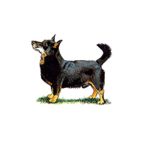
The Lancashire Heeler presents as a small, sturdy, and powerful little dog whose proportions hint at its hardworking ancestry. With a robust yet agile frame, they are solidly built but never coarse, embodying readiness and alertness in both stance and expression. Their body is slightly longer than tall, with a level topline, firm coupling, and well-sprung ribs extending back from the elbows—a build optimized for agility and stamina.
The head is nicely balanced, with a flat, broad skull tapering towards the eyes, creating a keen, foxy look. Eyes are almond-shaped and of medium size, usually dark, but lighter eyes can appear in dogs with liver coats. The ears are either alert with a distinct lift or fully erect; droopy ears are considered undesirable for the breed. The expression is lively and intelligent, always suggesting curiosity and confidence.
Short, strong legs with ample bone provide both resilience and a characteristic “heeler” movement. The feet are small, firm, and well-padded, built for quick, nimble turns. The tail is set high, left natural, and typically curled lightly over the back when the dog is attentive, never forming a full ring.
The double coat is weather-resistant and hard, with a short, dense undercoat covered by a flat, thick topcoat. The ruff around the neck is only slightly more pronounced, and the coat should never be long or wavy. Approved colors include black and tan or liver and tan, with distinct tan markings on the muzzle, chest, legs, cheeks, and above the eyes. A characteristic “thumb mark”—a color patch immediately above the front feet—adds to their unique charm. Occasionally, a small white spot on the chest is seen and tolerated.
The typical Lancashire Heeler stands about 12 inches at the shoulder for males and 10 inches for females, occupying the lower end of height among pastoral breeds, but making up for it with substance and presence.
Temperament & Behavior
At home, the Lancashire Heeler offers a delightful mix of courage and affection. Known for being brave and happy, this breed bonds deeply with their owners, displaying both loyalty and a playful spirit. The official breed standard highlights the Heeler’s affectionate character, making them cherished companions who thrive when included in all aspects of family life.
Drawing from their roots in both herding and vermin control, Lancashire Heelers enjoy having a purpose, whether it’s learning tricks, adapting to agility, or simply enjoying puzzle toys and interactive play. Their high intelligence and working dog background align them closely with the other Pastoral group dogs, such as Collies and Sheepdogs. This contributes not only to their trainable nature but also their need for daily engagement and mental challenge.
While generally friendly and loving with those they know, these dogs maintain a moderate reserve around strangers, making them watchful and alert without being aggressive. Their terrier ancestry introduces a touch of boldness, especially noticeable when small animals catch their eye or when tasked with “guarding” the home. However, their size and temperament allow them to coexist peacefully with respectful children and, in most cases, with other family dogs.
Potential owners should be mindful that this breed, while affectionate and happy, expects consistent involvement in family life and stimulation that goes beyond routine walks. Under-stimulated Heelers may devise their own amusements—sometimes to the owner’s dismay—so keeping them occupied is essential for harmony at home.
Care & Living Needs for the Lancashire Heeler
The Lancashire Heeler thrives on regular activity, with a daily exercise recommendation of up to one hour. This can be easily fulfilled through brisk walks, games of fetch, and allow the dog opportunities to use their strong natural instincts in safe play. Their moderate size and adaptability mean they’re perfectly content living in flats or apartments, provided they are given frequent outdoor time for exploration and stimulation.
Outside, access to a small or medium-sized garden gives them extra space to investigate, though it is not essential if owners are diligent about getting them out and about. Their suitability for both town and country living means they can adapt to a range of environments and family situations.
Grooming is refreshingly simple, thanks to their short, hard coat. A weekly brushing is sufficient to keep them looking neat and to remove loose hair, especially as this breed does shed. Bathing should only be necessary when they get especially dirty, as their coat is designed to be weather-resistant and not prone to clinging debris. Owners can expect some regular shedding but nothing excessive compared to longer-coated breeds.
The Lancashire Heeler’s intelligence means they thrive when challenged with games, new tricks, and varied daily activities. Consistent and positive training from an early age ensures the breed’s independent mind remains engaged without allowing stubborn habits to develop. These dogs may not be ideal for those seeking a laid-back lapdog or for owners unable to provide at least moderate daily engagement and exercise.
Health & Common Issues
The dataset does not report any specific widespread health concerns for the Lancashire Heeler, reflecting the breed’s reputation for being generally robust and long-lived. Their hardy constitution is supported by moderate exercise and careful weight control, both of which are important for keeping joints and muscles healthy throughout their life.
Owners should ensure that regular veterinary checkups are a part of the dog’s routine, as with any breed. Annual exams help monitor dental health, eye clarity, and overall fitness as the dog ages. Since the breed standard puts emphasis on “absolute soundness,” well-bred Lancashire Heelers should display good structural health without exaggerated features that might compromise movement or breathing.
Feeding a balanced diet, providing adequate mental stimulation, and managing exercise according to the dog’s age further support their overall well-being. Attention to basic grooming and regular checks for any unusual changes in condition round out a sensible routine for Lancashire Heelers.
Official Breed Standard Summary
The official breed standard for the Lancashire Heeler lays out a clear vision for the ideal dog: small, powerful, and ever alert. The character and temperament should always serve both soundness and fitness for purpose, with overly exaggerated features or health-detrimental traits considered faults. Appearance is defined by a sturdy build, slightly longer body, and a smart, lively expression. Males and females have a slight size difference, with males ideally reaching 12 inches and females 10 inches at the shoulder.
Color options are distinct—either black and tan or liver and tan, accented with rich tan markings and the unique “thumb mark” on the front legs. The coat is double layered, with a hard, weather-resistant top layer and a fine undercoat that should remain hidden. Excessively long or wavy coat is not in keeping with the standard, nor are colors outside of the specified ones, though a small white spot on the chest is tolerated.
Movement is to be natural, smart, and brisk—never restricted or weak. The tail is carried in a slight but not complete curve, and the ears are distinctly alert or erect. The standard also reminds breeders that dogs with any undesirable physical or temperamental traits should not be rewarded in the show ring, and that correct size is a guide, not an absolute.
Finally, the breed standard calls for male dogs to have two normal testicles fully descended. Owners and breeders are advised to use these guidelines as a compass for health, welfare, and responsible stewardship of the breed.
Frequently Asked Questions about the Lancashire Heeler
Is the Lancashire Heeler good for first-time dog owners?
Yes, the Lancashire Heeler can be a suitable choice for first-time owners who enjoy active engagement and are committed to basic training. Their intelligence and adaptability make them manageable, especially when routines and boundaries are established early on.
How much exercise does a Lancashire Heeler need daily?
These dogs require up to one hour of exercise each day. Regular walks, playtime, and activities that use their herding or hunting instincts keep them healthy and happy.
Is the Lancashire Heeler good with children?
The breed is generally affectionate toward family members, including respectful children. Supervised interaction and teaching children how to handle dogs kindly will help maintain positive relationships in the home.
Can the Lancashire Heeler live in an apartment?
Thanks to their small size and moderate exercise needs, Lancashire Heelers adapt well to apartment living. They do need daily outdoor walks and mental stimulation, but do not require a large yard.
How much grooming does a Lancashire Heeler need?
Grooming needs are minimal. A weekly brush is enough to keep their short coat in good shape, and regular checks of ears, nails, and teeth should be part of their care routine.
Are there common health concerns in this breed?
No widespread health issues are reported in the dataset for Lancashire Heelers. As with any breed, routine vet visits and attention to weight and dental health will support a long, healthy life.


