
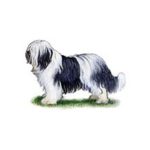
What Are the Traits and Care Requirements of the Polish Lowland Sheepdog?
The Polish Lowland Sheepdog is a striking, intelligent herding breed known for its lively character and distinctive, shaggy coat. Well-suited to active households, this dog thrives in settings where its mind and body are both engaged. Those seeking a clever, loyal companion that brings a dash of old-world shepherd charm into modern family life will find a lot to love in the Polish Lowland Sheepdog, affectionately nicknamed the PON.
Whether working on a farm or joining a household as a cherished family member, the Polish Lowland Sheepdog adapts readily to new tasks and environments. Its history as a dedicated flock guardian shines through in both its work ethic and devotion, making it a respected companion for people seeking both companionship and a lively, athletic co-pilot in daily life.
- Overview of the Polish Lowland Sheepdog
- Key Characteristics
- Appearance of the Polish Lowland Sheepdog
- Temperament & Behavior
- Care & Living Needs
- Health & Common Issues
- Official Breed Standard Summary
- Frequently Asked Questions
Group: Pastoral
Size: Medium
Exercise needs: More than 2 hours per day
Coat length: Long
Grooming: Every day
Shedding: Yes
Lifespan: Over 10 years
Ideal home type: Small house
Town or country: Either
Garden needs: Large garden
Overview of the Polish Lowland Sheepdog
The Polish Lowland Sheepdog, also known in its homeland as Polski Owczarek Nizinny or simply PON, is a breed with a storied heritage stretching back hundreds of years. Originally developed in Poland for herding and guarding flocks, PONs became prized for their intelligence, agility, and remarkable memory—traits that allowed them to excel in challenging pastoral roles. Their ancestry can be traced in part to the Hungarian Puli, lending them both their distinctive looks and some of their spirited demeanor.
This breed’s journey is full of interesting lore, including tales of Polish sailors bringing these dogs to the British Isles as early as the 16th century, where they may have contributed to the development of local sheepdogs. Today, the Polish Lowland Sheepdog remains an enthusiastic worker, but it is equally at home as a companion. Its blend of endurance, keen observation, and affection for human company makes it a wonderful choice for active individuals or families who want a four-legged friend ready for adventure and daily involvement.
The Polish Lowland Sheepdog suits households committed to an energetic lifestyle and those who enjoy outdoor hobbies, regular walks, or participation in dog sports. While adaptable to town or country living, PONs do best where their natural curiosity and herding instincts can be channeled into positive activities and training routines.
Key Characteristics
- Energy level – Exceptionally high, requiring over two hours of exercise daily to stay happy and balanced.
- Trainability – Learns quickly and is eager to please, making them generally responsive to consistent, positive training methods.
- Intelligence – Highly clever and perceptive, with an excellent memory that makes early training stick.
- Prey drive – Herding heritage means a natural drive to watch and sometimes “herd” people or animals, but not primarily a hunting breed.
- Social needs – Thrive on human companionship and does not like to be left alone for long periods.
- Compatibility with families and children – Naturally affectionate and tolerant, making them a good match for families with respectful children.
- Compatibility with other dogs – Generally sociable and can get along well with other canine companions, especially with good socialization.
- Guarding or watchdog tendencies – Watchful, alert, and inclined to bark as a sentinel; natural protectors of home and family.
- Adaptability to city or country life – Versatile and can adapt to various settings as long as exercise and stimulation needs are met.
- Best suited owner type – Best for active households or individuals ready for daily physical and mental enrichment tasks.
- Typical daily routine – Active walks, playtime, training sessions, and grooming are vital parts of everyday life for this breed.
Appearance of the Polish Lowland Sheepdog
The Polish Lowland Sheepdog boasts a robust, medium-sized stature with a strong, compact build. Proportions are slightly rectangular, imparting a balanced and cobby impression without being overly long. Despite a somewhat stocky frame, these dogs move with agility and purpose, revealing their working-dog roots.
The head is well-proportioned with a moderate stop and a slightly domed skull, accentuated by abundant hair on the forehead, cheeks, and chin. This profusion of coat gives the head a larger appearance than it actually is. Their lively, oval-shaped eyes range from hazel to brown, framed by dark, closely fitting rims and a gaze that is both alert and friendly. Distinctive heart-shaped ears are set moderately high, drooping to lie close to the cheeks, enhancing their expressive look.
Muscular neck and shoulders lead to a pronounced wither and level back, while the brisket is deep with moderately sprung ribs. Hindquarters are powerful and well-angled, supporting smooth, ground-covering movement whether walking or trotting. The feet are oval with hard pads, supporting long days on rough terrain.
Perhaps the breed’s most iconic feature is its dense, long, shaggy double coat, which covers the entire body and often falls forward over the eyes—without obstructing vision. The coat’s harsh, weather-resistant texture was developed to protect the dog through demanding shepherd work in varied climates. Acceptable coat colors exclude merle but include black, black & tan, black & white, chocolate, cream, fawn, grey, and several combinations. Males and females stand between approximately 16.5 and 19.75 inches at the shoulder, with a sturdy but not oversized frame. Tails may be any length, sometimes naturally short or docked in the past, always well-feathered and carried high when alert.
Temperament & Behavior
The Polish Lowland Sheepdog is defined by its alert, even-tempered, and self-controlled character. Lively but never hyperactive, PONs demonstrate a level-headed approach to both work and play. Their excellent memory, quick perception, and intrinsic cleverness make them fast learners who relish mental activities and respond well to clear, consistent instruction.
At home, these dogs are naturally devoted to their family, often forming strong bonds with all household members and showing particular patience with children. Their people-oriented nature means they expect to be included in daily life, seldom content to be left alone or excluded from activities. Most Polish Lowland Sheepdogs interact well with other dogs and household pets, especially when socialization begins early and ownership is confident and informed.
Rooted in pastoral traditions, PONs carry a strong sense of responsibility, serving not only as working herders but also steadfast guardians. They are naturally watchful and may be quick to alert the household to unfamiliar happenings, making them reliable watchdogs. However, their even disposition keeps their protective instincts in check, and they are not considered aggressive by nature.
This breed’s herding background reveals itself in the form of enthusiasm for play, sharp awareness of surroundings, and occasional attempts to “herd” family members, which can include gentle nudges or circling. These behaviors are manageable with direction and offer unique insights into the breed’s deep working heritage. Adaptable and versatile, the Polish Lowland Sheepdog is happy in either city or country settings, provided its mental and physical energy is channeled productively.
Care & Living Needs for the Polish Lowland Sheepdog
Daily exercise is a fundamental need for the Polish Lowland Sheepdog, requiring more than two hours of structured activity every day. Long walks, interactive play sessions, and opportunities to participate in canine sports or working activities help meet this breed’s substantial physical and mental energy requirements. Homes with access to a large garden are particularly well-suited, allowing the dog space to explore and relax outdoors in addition to structured walks.
This breed can adapt to either urban or rural living as long as its needs for activity, mental stimulation, and companionship are consistently met. While a Polish Lowland Sheepdog can reside in a small house, it does best when accompanied by a sizable, secure garden where it can safely roam and play.
Grooming is a daily commitment. With a long, shaggy coat that sheds, regular brushing is essential to prevent matting and control loose hair. The harsh, protective quality of the coat means it rarely tangles if properly cared for, but occasional more thorough grooming sessions are advised. Bathing is needed only occasionally. Routine checks of the ears, nails, and teeth support optimal well-being.
Mental stimulation plays as important a role as physical activity. Puzzle toys, obedience training, and learning new tricks or tasks are all excellent ways to keep this intelligent breed satisfied. Without regular engagement, PONs can develop undesirable habits such as nuisance barking or restlessness. This breed is best for committed owners ready to invest time every day, not for those seeking a low-maintenance or sedentary companion.
Those looking for an easygoing or independent dog may find the Polish Lowland Sheepdog’s needs for closeness and stimulation overwhelming. Prospective owners should be ready for consistent grooming, active lifestyles, and including their dog as a valued participant in daily life.
Health & Common Issues
The Polish Lowland Sheepdog benefits from a robust constitution and active lifestyle, with many individuals enjoying an expected lifespan of over 10 years. While there are no specific common health concerns outlined for this breed from the available information, responsible care is always crucial.
Owners should maintain a regular schedule of veterinary visits to monitor general health and to support preventative care for teeth, joints, eyes, and skin. As with any breed, providing a nutritious diet, balanced exercise, and watching for signs of discomfort or emerging health issues are prudent practices. Proper grooming supports skin and coat health, while maintaining a healthy weight reduces strain on the joints and promotes long-term vitality.
Because Polish Lowland Sheepdogs are active and strong, supporting good musculoskeletal health through structured exercise is important. Early socialization and ongoing training also contribute to a well-rounded, healthy companion. Regular checks of the ears and eyes, along with nail trimming and dental care, are all part of routine health maintenance for this breed.
Official Breed Standard Summary
The official breed standard for the Polish Lowland Sheepdog describes a medium-sized, cobby, and muscular working dog with a thick, long coat of harsh texture. The essential qualities outlined ensure that the dog remains fit, sound, and capable of performing traditional herding duties. The ideal PON impresses with a rectangular silhouette—slightly longer than tall—and a strong, well-developed frame adapted for both stamina and agility.
The head is emphasized by profuse hair on the forehead, cheeks, and chin, giving an appearance of increased size. The eyes are lively and oval, while the heart-shaped ears are set moderately high and droop gracefully. Movement is smooth and inclined to amble, with legs showing strength and correct angulation. Tails may be any length, typically carried high and well-covered with hair when alert.
The long, shaggy coat covers the body in a thick, weatherproof layer and should never impede movement or vision. Acceptable coat colors include black, chocolate, fawn, grey, and cream, among others, but merle is not allowed. No evidence of artificial trimming is desired, as a natural outline is preferred. Height ranges from 16.5 to nearly 20 inches at the shoulder, depending on gender, but actual size may vary outside the written measurements.
The breed standard makes clear that any exaggerated or unhealthy features are faults if they impact health or welfare. Prospective owners are reminded that the standards serve as a description of the ideal, but real dogs may differ in measurements and should be judged as individuals first and foremost.
Frequently Asked Questions about the Polish Lowland Sheepdog
Is the Polish Lowland Sheepdog good for first-time dog owners?
This breed can be a great companion for active and dedicated first-time owners who are prepared for daily grooming and significant exercise. Its intelligence and eagerness make training enjoyable, but commitment and consistency are essential.
How much exercise does a Polish Lowland Sheepdog need daily?
The Polish Lowland Sheepdog needs more than two hours of exercise each day. Regular walks, play, and engaging activities are important for their physical and mental health.
Is the Polish Lowland Sheepdog good with children?
With proper introduction and supervision, this breed is generally affectionate and patient with children. Their playful nature and tolerance make them a positive addition to family life, provided everyone respects the dog’s space and boundaries.
Can the Polish Lowland Sheepdog live in an apartment?
This breed can adapt to smaller living spaces if given enough exercise and mental stimulation. Ideally, access to a large garden or nearby open areas is best, but apartment living is possible if the dog’s needs are carefully met.
How much grooming does a Polish Lowland Sheepdog need?
Grooming is a daily task due to the long, dense coat that requires regular brushing to prevent matting and manage shedding. Occasional baths and routine checks of ears and nails help maintain overall health and comfort.
Are there common health concerns in this breed?
There are no notable breed-specific health issues highlighted in available resources, but, like all dogs, regular veterinary care, a healthy diet, and weight management are important. Watching for any signs of discomfort or health changes supports a happy, long life.


