
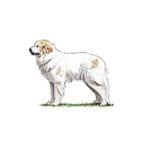
What Are the Traits and Care Tips for the Pyrenean Mountain Dog?
The Pyrenean Mountain Dog is a striking, large companion bred for vigilance and loyalty. Traditionally known for their unwavering dedication as livestock guardians, these dogs have transitioned smoothly into family life while retaining their protective instincts. For households that appreciate a calm, reliable presence and have the space and time to invest, the Pyrenean Mountain Dog offers a deeply rewarding bond, making them ideal for experienced dog owners and those committed to regular care and training.
With their dignified stature, gentle demeanor, and impressive heritage, Pyrenean Mountain Dogs excel as companions in the right home environment. While they shine as guardians, their serene disposition and intelligence endear them to families who enjoy the devotion of an imposing yet affectionate breed. Their legacy ranges from royal courts to rugged mountain trails, offering a history as varied as their modern roles as both protectors and devoted friends.
- Overview of the Pyrenean Mountain Dog
- Key Characteristics
- Appearance of the Pyrenean Mountain Dog
- Temperament & Behavior
- Care & Living Needs
- Health & Common Issues
- Official Breed Standard Summary
- Frequently Asked Questions
Group: Pastoral
Size: Large
Exercise needs: Up to 1 hour per day
Coat length: Medium
Grooming: More than once a week
Shedding: Yes
Lifespan: Under 10 years
Ideal home type: Large house
Town or country: Either
Garden needs: Large garden
Overview of the Pyrenean Mountain Dog
The Pyrenean Mountain Dog, often regarded as one of the tallest and most majestic of the pastoral breeds, has a storied history that stretches back to the Middle Ages. Originating from the rugged Pyrenees mountains, this breed was developed for guarding flocks and deterring predators in some of Europe’s harshest conditions. Over the centuries, their impressive presence and noble temperament captured the hearts of royalty, including Louis XIV, who gave them the title “Royal Dog of France.”
Throughout their history, Pyrenean Mountain Dogs have been recognized not just for their strength, but also for their gentle nature and adaptability. These dogs served crucial roles during wartime as pack and messenger dogs, and stories abound of their ingenuity in assisting with tasks that others could not complete. Their ability to navigate remote mountain paths and carry burdens made them invaluable to both shepherds and the French army.
Today, the Pyrenean Mountain Dog is best suited to families and individuals who can offer a spacious home and garden. Their size and natural guarding abilities make them excellent protectors, while their calm and even-tempered nature ensures they fit well into households seeking a steady and gentle companion. Dedicated owners willing to meet their physical and mental needs will find a loyal and distinguished friend in this breed.
Key Characteristics
- Energy level – Moderate; they are steady and need daily activity, but are not hyperactive.
- Trainability – Smart but independent; early, consistent training yields the best results.
- Intelligence – Highly observant and quick to assess situations, especially as guardians.
- Prey drive – Low, as they are bred more for protection than for hunting pursuits.
- Social needs – Enjoy being with their family and develop strong bonds, but not always overtly demanding of attention.
- Compatibility with families and children – Generally gentle, patient, and calm with respectful children.
- Compatibility with other dogs – Usually tolerates other dogs, but may be reserved; proper introductions are important.
- Guarding or watchdog tendencies – Natural instincts make them vigilant and protective of home and family.
- Adaptability to city or country life – Can manage either, but large spaces and outdoor access are strongly preferred.
- Best suited owner type – Owners with ample space, time, and ideally some large-breed experience.
- Typical daily routine – Needs outdoor time, structured exercise, mental stimulation, and opportunities to observe their territory.
Appearance of the Pyrenean Mountain Dog
The Pyrenean Mountain Dog is a powerful, commanding breed with an unmistakable air of elegance and nobility. Their substantial size is balanced by a gentle outline and harmonious build, never appearing cumbersome or awkward. Males stand at a minimum of 27½ inches at the shoulder and females at a minimum of 25½ inches, but many individuals surpass these measurements. Weight is always proportional to height, with robust muscle and sturdy bone, ensuring they are both strong and agile.
This breed’s head is strong yet refined, with a gentle curve and a blunt V shape when viewed from above. Their dark amber-brown, almond-shaped eyes convey a wise and thoughtful expression. Ears are relatively small, triangular with rounded tips, and lie close to the head, rising slightly when the dog is attentive.
Pyrenean Mountain Dogs have a broad and deep chest, a straight, level back, and muscular loins. The hindquarters are notably powerful and always feature double dewclaws—a signature trait. Their feet are compact and arched, and the thick, tapering tail is carried low at rest but forms a striking plume when alert or interested.
Their beautiful medium-length coat includes a dense, woolly undercoat and a longer, coarser outer layer. Males often display a fuller mane around the neck and shoulders, with feathering on the forelegs and pantaloon-like fur on the thighs. Typical coat colors are predominantly white or white with subtle markings in shades like blaireau (badger-gray), beige, grey, or lemon. Vibrant black patches are not preferred according to the official standard.
Temperament & Behavior
The Pyrenean Mountain Dog is known for a quiet, steady confidence that makes them an appealing companion. Their heritage as a pastoral guardian shines through in their natural calmness, composure, and deeply ingrained sense of duty. Within the home, they are gentle yet vigilant, preferring to watch over their family rather than seek constant attention.
Interactions with people tend to be gentle and patient, especially among those they know and trust. While affectionate, they are rarely overly demonstrative, valuing their independence. This breed’s temperament around children is generally very kind, as they have a patient and tolerant streak especially with respectful behavior. With unfamiliar people or animals, the Pyrenean Mountain Dog may initially display reserve, staying watchful rather than enthusiastic.
The pastoral group of dogs, including the Pyrenean Mountain Dog, is prized for its ability to protect, herd, and work outdoors in challenging climates. Their weather-resistant coats and hardy constitution allowed their ancestors to thrive in severe mountain environments, and these practical traits remain present in today’s breed.
Owners should understand that while aggression is undesirable, the Pyrenean Mountain Dog’s guarding instincts make it naturally alert to changes in its environment. Unprovoked nervousness or reactivity is not characteristic of a well-bred, well-raised individual. With proper socialization and training, these dogs become devoted, unflappable guardians and companions.
Care & Living Needs for the Pyrenean Mountain Dog
The Pyrenean Mountain Dog has moderate daily exercise requirements, typically satisfied with up to an hour’s activity each day. This can include walks, supervised free play in a spacious yard, or opportunities to survey and patrol their outdoor space. As natural guardians, they appreciate having access to larger gardens or grounds where they can observe and explore.
An ideal home for this breed is a large house with a well-secured, spacious garden or grounds. They are adaptable to both town and country life as long as their needs for space and activity are met. A small home or apartment setting does not offer the environment to keep a Pyrenean Mountain Dog happy and healthy.
Grooming is an important part of caring for this breed due to their thick, double-layered coat. Brushing several times a week helps to remove loose hair, prevent matting, and control their natural shedding. Extra attention is needed during seasonal coat changes. Their weatherproof coat has a medium length and is relatively easy to maintain with regular upkeep, though they will need more intensive grooming during heavy shedding periods.
Consistent training and mental stimulation are vital for the Pyrenean Mountain Dog, as their independent nature benefits from clear boundaries. Early socialization and gentle, positive training build a secure bond and reinforce desired behaviors. Enrichment activities that challenge their intelligence—such as scent work or problem-solving games—foster a well-rounded temperament.
This breed is not the right match for those living in small spaces or with very limited time for daily interaction and training. Households that are unable to provide both physical and mental engagement, or who are new to large, independent breeds, may find the Pyrenean Mountain Dog challenging to manage.
Health & Common Issues
Pyrenean Mountain Dogs are generally robust and hardy, thanks to their working background and adaptation to tough climates. With proper care, they typically enjoy good overall health, but like many large breeds, they can be prone to certain issues if not managed responsibly. Responsible ownership, regular veterinary visits, and preventing excess weight are key to maintaining their wellbeing.
It is important to monitor weight and joint health as the breed matures, since their large size places stress on developing bones and ligaments. Maintaining a healthy weight and providing exercise that is appropriate for the dog’s age and fitness level are important practices to keep them comfortable as they grow and age.
Regular dental care, routine vaccinations, and parasite prevention remain essential for this and any other dog. Owners should also pay attention to coat and ear health, staying alert for any signs of skin discomfort or infection that can sometimes affect dogs with dense, hairy ears and neck.
Official Breed Standard Summary
The official breed standard for the Pyrenean Mountain Dog outlines ideals for appearance, behavior, and structure to preserve the qualities that make this breed unique and functional. A commanding yet graceful presence is key—size, proportional power, and noble bearing combine to make the Pyrenean both physically impressive and fit for their historical role. The standard emphasizes that absolute soundness and health should never be compromised for exaggeration.
Size minimums are established: 27½ inches in height and 110 pounds for males, 25½ inches and 88 pounds for females, with specimens often exceeding these. Coats are double-layered, with a dense, fine undercoat and longer, coarser outer coat; the mane and feathering are particularly pronounced in males. Colors should be predominantly white, with subtle markings in shades such as blaireau (badger), beige, lemon, or grey; large, dark patches are considered undesirable.
Their head, expression, and tail carriage all contribute to a look of intelligence and confidence. Double dewclaws on each hind leg are a distinct trait and absence is considered unacceptable. Gait is steady, free, and never ponderous, reflecting both power and the capacity for work. Any exaggeration that affects health should be avoided.
The breed standard also notes that some variance in size is to be expected and that health, welfare, and soundness always outweigh cosmetic traits. Perspective puppy buyers should remember that not every individual will precisely conform to listed measurements.
Frequently Asked Questions about the Pyrenean Mountain Dog
Is the Pyrenean Mountain Dog good for first-time dog owners?
While the breed is gentle and loyal, their size and independent nature are best managed by owners with experience handling large, strong-willed dogs. First-time owners may face challenges if unfamiliar with consistent training and socialization for a guardian breed.
How much exercise does a Pyrenean Mountain Dog need daily?
This breed is satisfied with up to an hour of activity per day, which can include walks, free time in a secure garden, or other forms of structured play. Their energy is steady rather than excessive, but daily exercise remains essential for health.
Is the Pyrenean Mountain Dog good with children?
Pyrenean Mountain Dogs are typically patient and gentle with children, especially if raised together and the children are taught to be respectful. Supervision is recommended due to the breed’s large size and protective instincts.
Can the Pyrenean Mountain Dog live in an apartment?
This breed is not well-suited to apartment living because of its need for space and regular outdoor access. A large house with a spacious, secure garden is much more appropriate for meeting their physical and mental needs.
How much grooming does a Pyrenean Mountain Dog need?
The double coat requires brushing several times a week to keep it healthy and to manage shedding. Regular grooming sessions help maintain the coat’s condition and prevent matting, especially during seasonal shedding.
Are there common health concerns in this breed?
The Pyrenean Mountain Dog is generally robust, but like most large breeds, managing weight and joint health is important. Routine veterinary care and proper diet play a critical role in preventing health problems as they age.


