
What Are the Traits and Care Requirements of a Rhodesian Ridgeback?
The Rhodesian Ridgeback is an impressive, athletic dog with a proud heritage rooted in Africa. Known for its distinctive ridge of hair along the spine, this breed stands out both in appearance and character. For active owners seeking a dignified companion that can thrive in a busy household or as a working partner, the Rhodesian Ridgeback is worth considering. These dogs are best suited to those willing to commit to their exercise needs and embrace a confident, independent canine.
With a storied history as a skilled tracker and guardian, the Rhodesian Ridgeback combines loyalty, intelligence, and a touch of aloofness. Whether you’re interested in a reliable family dog, an energetic exercise companion, or a remarkable show dog, this breed offers versatility and distinction. Their strong, muscular frame and alert demeanor leave a lasting impression on anyone who meets them.
- Overview of the Rhodesian Ridgeback
- Key Characteristics
- Appearance of the Rhodesian Ridgeback
- Temperament & Behavior
- Care & Living Needs
- Health & Common Issues
- Official Breed Standard Summary
- Frequently Asked Questions
Group: Hound
Size: Large
Exercise needs: More than 2 hours per day
Coat length: Short
Grooming: Once a week
Shedding: Yes
Lifespan: Over 10 years
Ideal home type: Large house
Town or country: Either
Garden needs: Large garden
Overview of the Rhodesian Ridgeback
The Rhodesian Ridgeback’s origins trace back to South Africa, where it was initially bred as a scent hound capable of tracking various game. Its journey led it to Rhodesia—modern-day Zimbabwe—where the breed developed a formidable reputation as a tracker of lions. The Ridgeback’s agility, strength, and courage made it a valuable companion for hunters, holding dangerous game at bay until help arrived. The signature “ridge” on its back—a strip of fur growing in the opposite direction—speaks to its link with the ancient dogs of the Khoikhoi people, who also valued this unique trait.
This history is more than just a tale of hunting prowess. The Rhodesian Ridgeback has become a cherished companion for those who appreciate a loyal, dignified, yet independent dog. Known for its endurance and graceful build, the breed adapts well to active families, outdoors enthusiasts, and experienced dog handlers. It’s not a breed for the inactive or faint-hearted; it thrives in environments where mental and physical stimulation are part of daily life.
With a reputation built on strength and nobility, the Rhodesian Ridgeback appeals to owners seeking a dog that is both striking in appearance and steadfast in loyalty. While it may be reserved with strangers, its devotion to family remains constant, reinforcing its place as a beloved household member or dedicated working partner.
Key Characteristics
- Energy level – Exceptionally high; the breed requires significant physical activity each day to remain healthy and happy.
- Trainability – Intelligent but independent-minded, training is most successful with consistent, positive methods.
- Intelligence – Quick-witted and observant, often displaying good problem-solving skills and an ability to learn rapidly.
- Prey drive – Strong due to its hunting background; off-leash exploration should be supervised in unsecured areas.
- Social needs – Forms deep bonds with its family but tends to be reserved with unfamiliar people.
- Compatibility with families and children – Loyal to family and generally tolerant with respectful children, especially when socialized early.
- Compatibility with other dogs – Can coexist with other dogs if introduced properly but may display dominance, especially with dogs of the same sex.
- Guarding or watchdog tendencies – Naturally protective and alert, making it a reliable watchdog without being unnecessarily aggressive.
- Adaptability to city or country life – Highly adaptable as long as it has space to exercise; most at home in properties with a large, secure garden.
- Best suited owner type – Experienced dog owners or active individuals who can provide leadership and structure.
- Typical daily routine – Requires multiple long walks, opportunities to run, and regular engagement through play or training.
Appearance of the Rhodesian Ridgeback
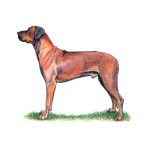
The Rhodesian Ridgeback commands attention with its harmonious blend of strength, symmetry, and athleticism. A mature Ridgeback presents a dignified stance, highlighted by its signature ridge of hair running in the opposite direction along the spine—distinct, symmetrical, and starting just behind the shoulders and tapering toward the haunches. This defining feature adds to the breed’s noble impression and is deeply intertwined with its storied heritage.
In terms of build, the Ridgeback is a large, muscular dog with a well-balanced outline. Males typically stand between 25 and 27 inches tall at the withers, while females reach between 24 and 26 inches. The head is of modest length and fairly broad between the ears, with a strong, deep muzzle and clean, close-fitting lips. Eyes are round, possessing an intelligent and lively sparkle, harmonizing with the coat color—ranging from dark with black-nosed dogs to amber in those with brown noses. Ears are set high, of medium size, tapering elegantly to a rounded tip and carried close to the head.
The Ridgeback’s body is powerful yet not overly broad, with a deep chest and moderately sprung ribs providing both endurance and energy. Strong, straight forelegs and well-muscled hindquarters equip the dog for endurance running and agile maneuvers. Its tail starts thick at the base, gradually tapering with a slight upward curve, but never curling over the back.
The short, dense coat is glossy and close-fitting, never woolly or silky. Ridgebacks display solid colors ranging from light wheaten to red wheaten. While a little white on the chest and toes is permissible, a predominantly uniform coat is preferred. Occasional dark shading on muzzle and ears may also be seen, but markings elsewhere or excessive white are undesirable for the breed’s standard appearance.
Temperament & Behavior
The Rhodesian Ridgeback is known for its dignified and intelligent personality. While it forms strong bonds with its immediate family, the breed is characteristically reserved with strangers—sometimes mistaken for aloofness. This self-assured, calm demeanor means the Ridgeback does not resort to needless aggression or unwarranted shyness, which can make it a steady and trustworthy companion for the right household.
Within the home, Ridgebacks exhibit loyalty and can be patient with children, provided they are treated with respect and involved in early positive socialization. Their enjoyment of human company does not translate to neediness. Rather, they appreciate a blend of togetherness and independence, often seeking a quiet spot to relax after exercise or play. For families, this means having a dog that is present but never overbearing.
While compatible with well-mannered dogs when properly introduced, the Ridgeback can display dominance, particularly with dogs of the same sex. It is vital to supervise introductions and set firm boundaries if there are multiple dogs in the household. Their origins as hunting dogs influence their behavior outdoors; vigilance is needed when small animals are nearby, given their high prey drive and scenting prowess.
Ridgebacks are part of the hound group—dogs bred either for their scenting abilities or keen sight. Like others in this group, they are dignified, trustworthy, and thrive on meaningful exercise paired with structure. Their natural alertness also gives them an instinctive sense of when to be protective, functioning as steadfast guardians without unnecessary barking or anxiety.
Care & Living Needs for the Rhodesian Ridgeback
For the Rhodesian Ridgeback, daily exercise is not negotiable. These dogs need upwards of two hours of physical activity each day, including long walks, opportunities to run in secure areas, and varied play. Life in a large house with a sizeable, fenced garden suits them best, ensuring they have both the mental and physical space to thrive. While adaptable to both town and country living, access to the outdoors remains essential for their wellbeing.
Grooming the Ridgeback is straightforward. Thanks to its short, sleek coat, a once-weekly brushing will suffice to remove loose hair and keep the coat glossy. Regular, gentle shedding is normal, but no extensive grooming commitments are required. Occasional baths, nail trims, and routine ear checks round out the grooming requirements for this breed.
Mental stimulation is just as important as exercise. Ridgebacks benefit from gentle but firm training, using positive reinforcement and consistent routines. Their intelligence and independent streak can be both a joy and a challenge, making them less suitable for first-time dog owners or households unable to provide structure. Training sessions that vary with tracking, recall games, and even scent work help channel their abilities productively.
For those unable to meet the Ridgeback’s exercise or leadership needs, a different breed may be a better fit. These dogs flourish with experienced, engaged owners who enjoy an active lifestyle and can invest the time and energy required to cultivate a confident, well-mannered adult dog.
Health & Common Issues
While specific health concerns are not detailed in the available information, the Rhodesian Ridgeback’s robust frame and athletic heritage often make for a generally hardy breed. Maintaining ideal body weight with portion control and regular activity helps support healthy joints and an active lifestyle well into adulthood.
Routine veterinary check-ups, attention to dental hygiene, and regular parasite prevention support long-term health and comfort. Owners should watch for any signs of discomfort in movement or behavior and consult professionals as necessary. Grooming sessions are an excellent time to monitor skin, coat, ears, and nails for any changes or signs of irritation.
Meeting the Ridgeback’s significant exercise requirements and maintaining a healthy diet contribute to overall wellbeing. Preventative care, a balanced lifestyle, and prompt attention to any health changes are key to ensuring a long, active life for this breed.
Official Breed Standard Summary
The official breed standard for the Rhodesian Ridgeback outlines an athletic, symmetrical, and muscular dog capable of great endurance with a fair amount of speed. The hallmark of the breed is its ridge—a defined, symmetrical strip of hair along the spine growing in the opposite direction of the rest of the coat. Only well-formed ridges with two crowns are accepted as ideal, with any excessive departure from standard features considered a fault.
Acceptable coloration ranges from light wheaten to red wheaten, with the entire coat generally uniform on the body, head, legs, and tail. Small amounts of white on the chest and toes are allowed, but prominence of white or dark markings on other areas is less desirable. The short, dense, and glossy coat should not feel woolly or silky to the touch, contributing to the breed’s distinctive, well-kept appearance.
Movement should be free, active, and straight forward. Physical proportions are carefully outlined, with mature males ideally standing between 25 and 27 inches at the withers, and females between 24 and 26 inches. Emphasis is placed on health and soundness in every aspect of the dog’s conformation, ensuring both working capability and overall wellbeing are preserved.
Prospective owners should remember that the breed standard is a guide, not a guarantee that every individual will fit the measurements exactly. Variations in size and minor attributes are normal, and absolute soundness, health, and appropriate temperament remain priorities over strict adherence to precise measurements.
Frequently Asked Questions about the Rhodesian Ridgeback
Is the Rhodesian Ridgeback good for first-time dog owners?
The Rhodesian Ridgeback is confident, strong-willed, and independent. It’s best suited for experienced dog owners who are comfortable setting clear boundaries and providing consistent leadership.
How much exercise does a Rhodesian Ridgeback need daily?
This breed needs at least two hours of physical activity each day. Long walks, off-leash running in secured areas, and active play help meet its exercise requirements.
Is the Rhodesian Ridgeback good with children?
When socialized from a young age, the Ridgeback can be loyal and patient with children who treat the dog respectfully. Supervision is always recommended with young kids, as with any large, energetic breed.
Can the Rhodesian Ridgeback live in an apartment?
Although adaptable, the Ridgeback is best suited to a large house with access to a garden. Limited space can make it difficult to meet its exercise needs, so apartment living is not ideal for this active breed.
How much grooming does a Rhodesian Ridgeback need?
Minimal grooming is required due to its short coat. Weekly brushing removes loose hair and keeps the coat healthy, with only occasional baths needed.
Are there common health concerns in this breed?
No specific health issues are highlighted, but maintaining a healthy weight and scheduling regular veterinary check-ups are always recommended to support the breed’s overall health.


